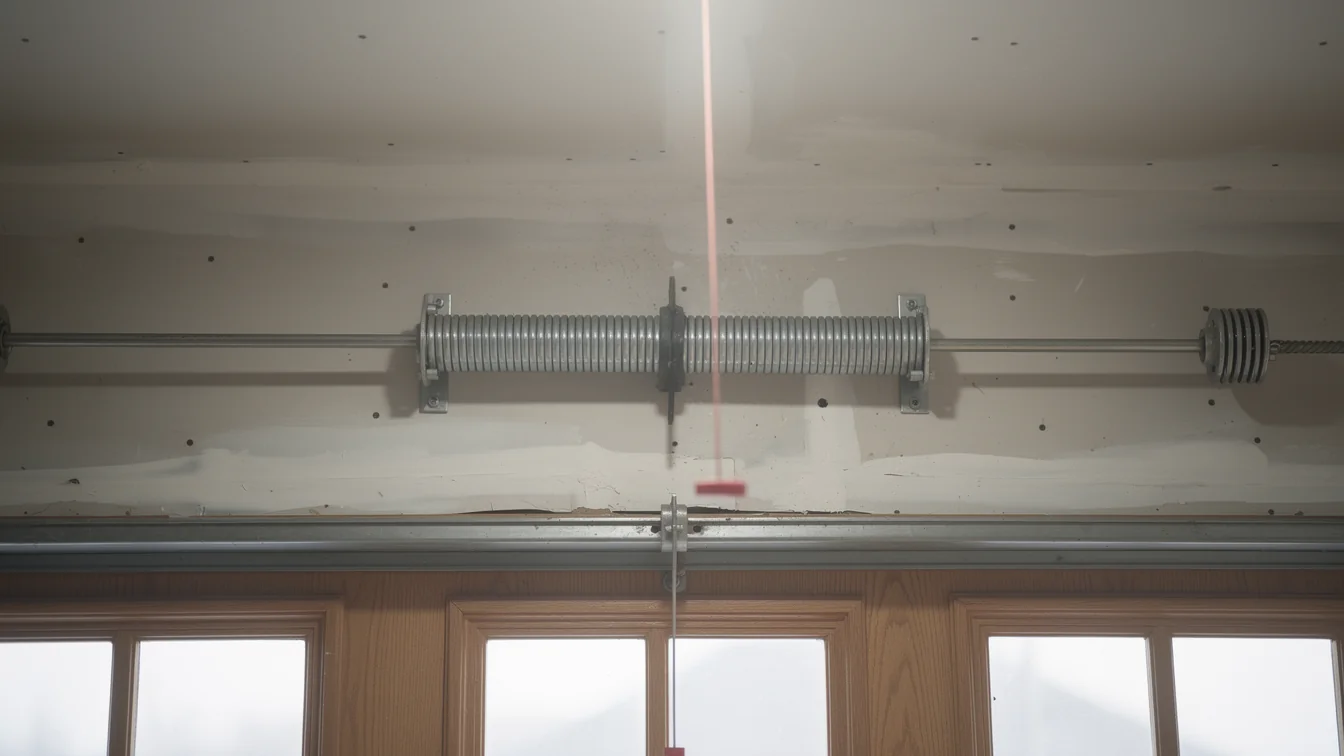
 When a Spring Lets Go on a Cold Georgetown Morning
Why Georgetown's 1980s-90s housing stock sees torsion springs snap during the occasional hard freeze, and what to do before the next cold morning.
Why So Many Georgetown Garage Doors Have No Insulation at All
Georgetown's housing stock spans 1957 to 2018, median 1993 - a lot of doors went up before insulation was standard. Here's what that means for your door.
Local detail
The Situation
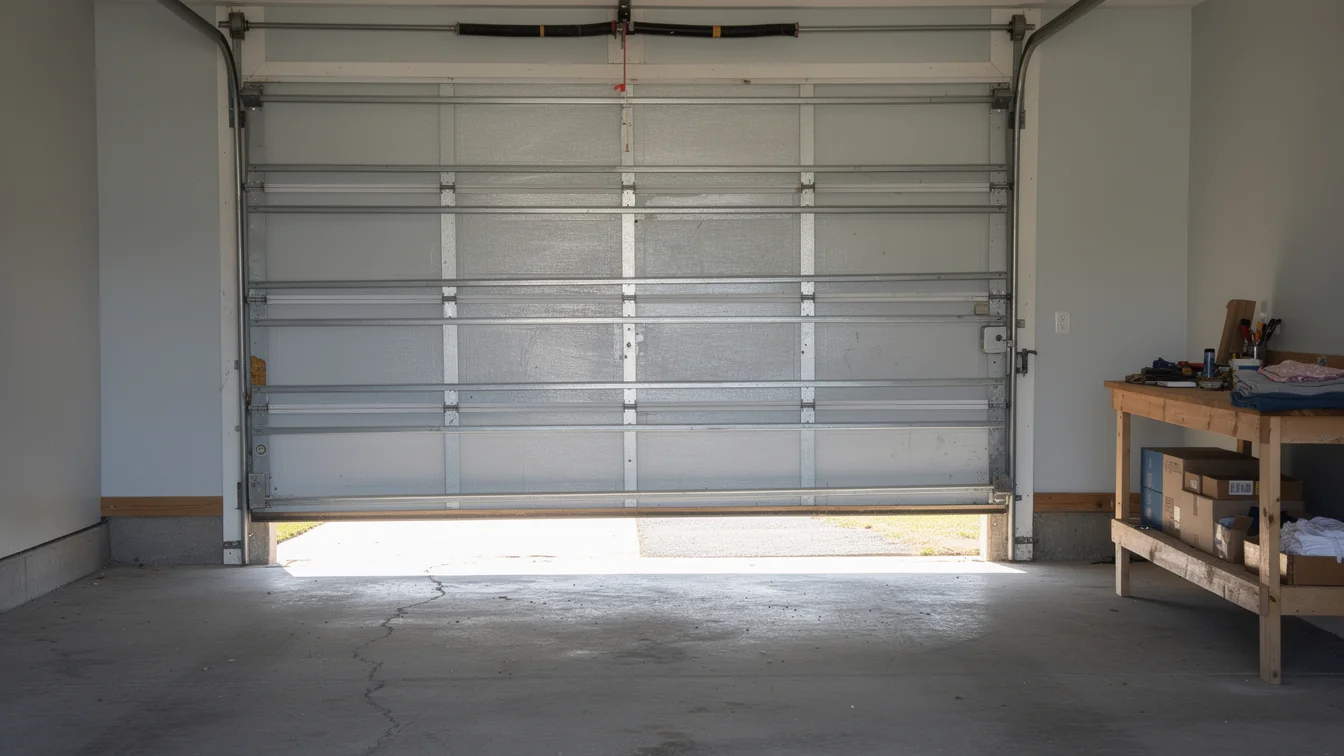
Georgetown's housing stock runs from 1957 to 2018, with the median build year sitting at 1993. That median matters more than it sounds. Insulated garage door panels weren't standard equipment until well into the 1990s and later for a lot of builders, so a sizable share of the doors still hanging in this area went up on houses framed before anyone spec'd foam-core panels as a default. Most of the stock across the ten named areas we work in dates to the 1980s and 90s, which puts a lot of original or first-replacement doors right at that line - old enough to predate insulation as a given, young enough that the steel skin and hardware are often still serviceable.
What you end up with is a single flat panel of steel or aluminum with a hollow back, maybe a thin vinyl backing if you're lucky, and nothing between you and the outside air. It's not a defect. It's just what came with the house when the house was built, and nobody's required to touch it unless they want to.
The area
How Local Conditions Play In
Georgetown sits in a mild climate with occasional freeze, which is a different problem than people in harder-freeze country deal with. You're not fighting a door that cracks from sustained cold. You're fighting temperature swings - warm days, the occasional overnight freeze, and a garage that has no thermal buffer because the door is a single sheet of metal. That swing is what stresses weatherstripping, warps thin panels at the seams, and makes an uninsulated door sweat with condensation on the inside face during a cold snap.
An insulated door doesn't fix a freeze. It flattens the swing, which is the actual local issue here - not deep cold, just enough freeze mixed with mild days to work a door's seals and panel joints harder than a steady climate would.
What we find
Doing Nothing For Now
An uninsulated door on a house built in that 1980s-90s window isn't an emergency. If the panel is straight, the seams are tight, and the opener is pulling it smoothly, there's no reason to replace it just because it lacks foam core. Plenty of these doors are still doing their job thirty-plus years in. We'll say it plainly: if you called us about a non-insulated door that's otherwise sound, we'd probably tell you to leave it alone and spend the money somewhere else.
Where it starts to matter is if you've noticed the garage running noticeably colder or hotter than it used to, if condensation is showing up on the inside of the panel on cool mornings, or if you're already replacing the door for an unrelated reason - broken spring, dented panel, dead opener - and it makes sense to upgrade while the truck's there anyway.
How we work
The Common Mistake
The mistake we see most is someone replacing a perfectly functional 1980s or 90s-era door purely because a sales pitch tells them an insulated door is an upgrade they're owed. It's not wrong information, exactly - insulated panels do perform better against temperature swings - but it's being sold as urgent when the actual condition of the door, not its manufacture date, should be driving the decision.
The flip side mistake is just as common: assuming a door is fine because it still opens and closes, when the panel built before 1993 has actually delaminated at the seams or the hardware is original and worn past spec. Age alone doesn't tell you anything. What the door is actually doing - straight travel, tight seals, no sag at the bottom panel - tells you everything.
Questions
Common questions
Is my garage door too old if the house was built in the 1980s?
Not necessarily. A door from that era in Georgetown can still be sound if the panel is straight and the hardware runs smoothly. Age by itself isn't the problem - most of this area's housing stock dates to the 1980s and 90s, and a lot of those original doors are still working fine.
Do I need an insulated door because of Georgetown's climate?
Georgetown's climate is mild with occasional freeze, not sustained hard cold, so insulation is about comfort and reducing temperature swings in the garage, not about preventing damage. If your current door seals well and isn't warped, there's no urgent reason tied to climate alone to replace it.
How do I know if my uninsulated door actually needs replacing?
Check for sag in the bottom panel, gaps at the weatherstripping, condensation forming on the inside face on cool mornings, or seams that have started to separate. Those are wear signs, not age signs. A door built before insulation rules existed can still pass all of those checks.
Recommendation
You Might Also Like
More garage door guides for Georgetown homeowners.
When a Spring Lets Go on a Cold Georgetown Morning
Why Georgetown's 1980s-90s housing stock sees torsion springs snap during the occasional hard freeze, and what to do before the next cold morning.
 When the Power Drops, What Does Your Georgetown Garage Door Actually Do
Georgetown homes built mostly 1980s-2018 run openers that behave differently in a power cut.
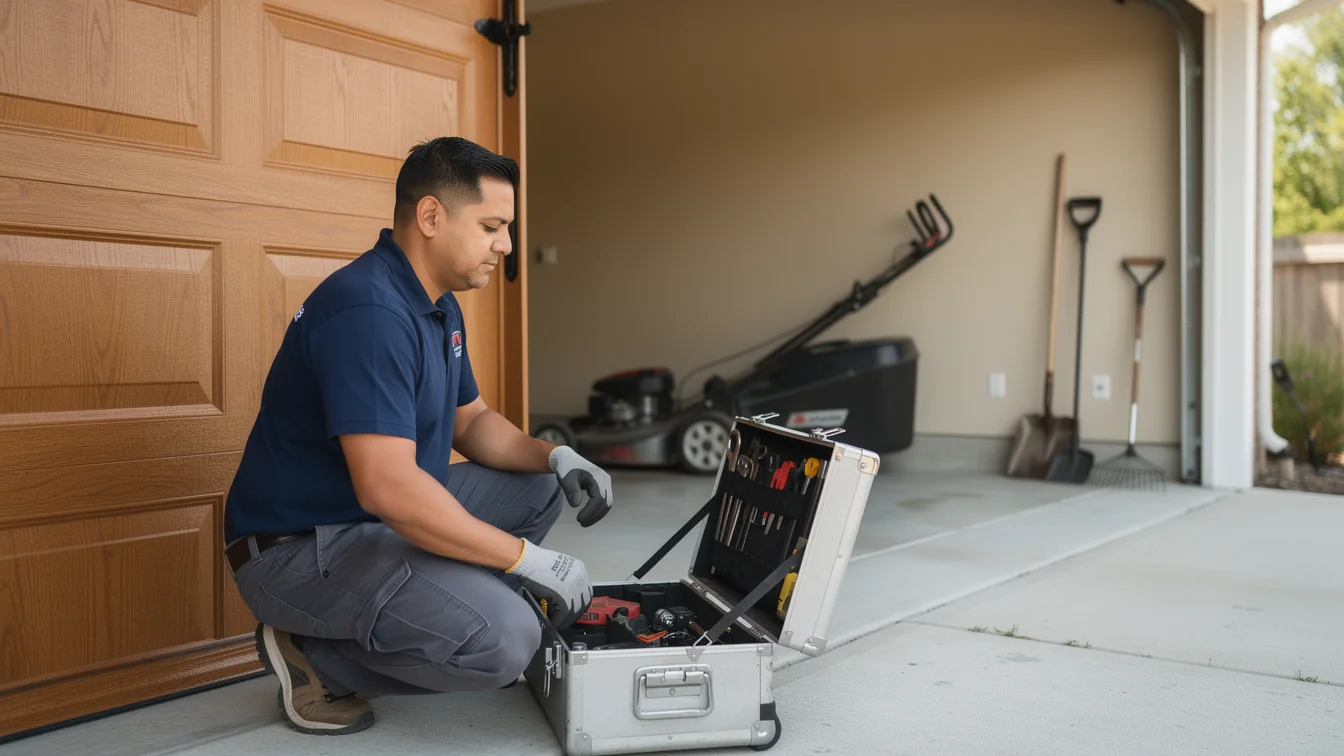 What's Actually Included When You Call for Garage Door Service
A service call in Georgetown checks hardware built for 1980s-90s construction and mild-climate wear - here's what gets inspected, adjusted, and left alone.
Ready when you are
Need a garage door sorted in Georgetown?
Georgetown Garage Door Pros repairs and installs garage doors, springs and openers in Georgetown, TX and the surrounding area.