The Symptom
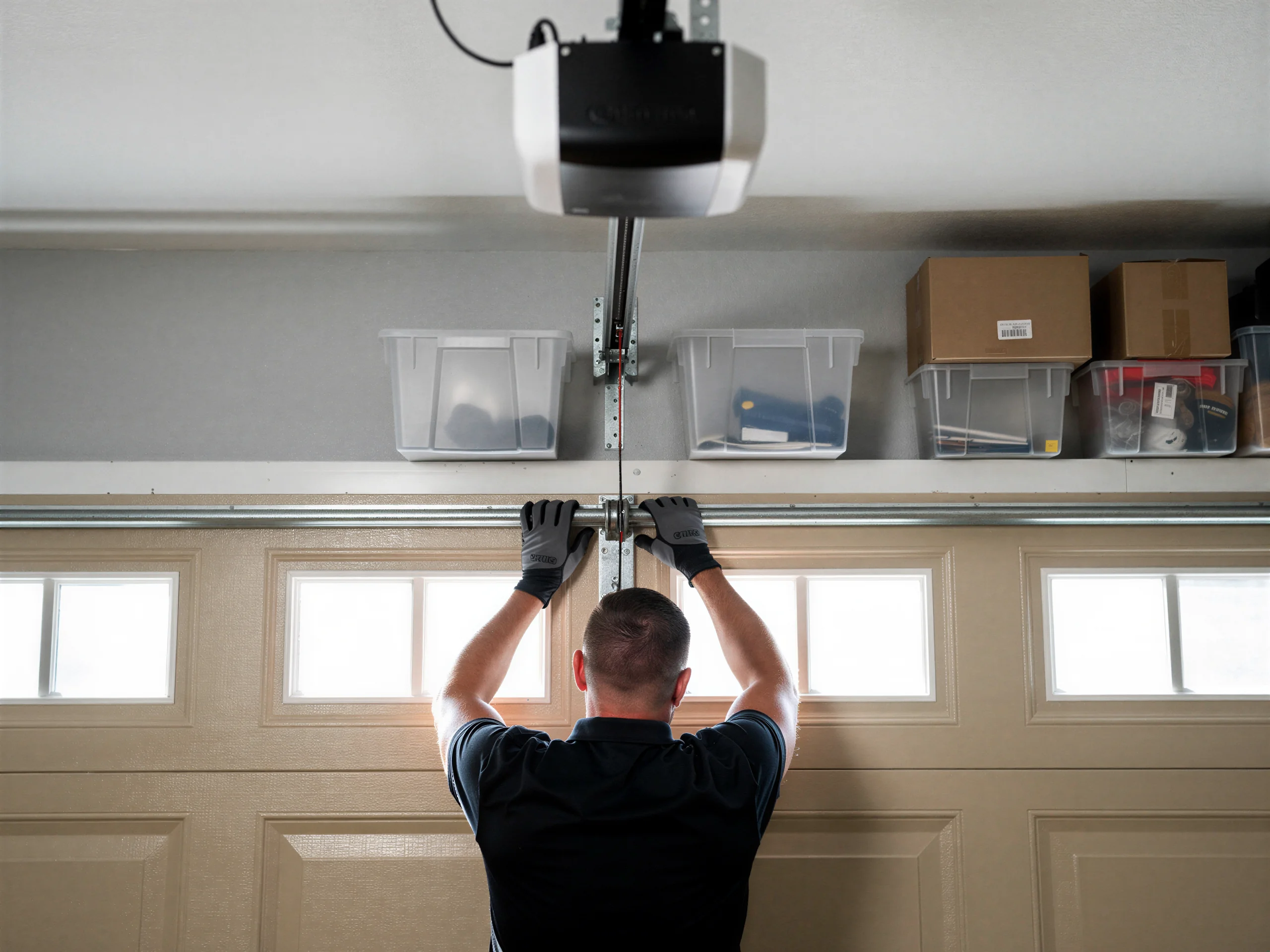
The chain grinds before the door moves. The remote works from the driveway but not from the street. The opener runs for a few seconds, reverses, and sits there blinking a code nobody wrote down. These are opener symptoms, not spring symptoms - the door itself still lifts fine by hand - but homeowners often call about "the garage door breaking" when what's actually failing is the motor unit, the logic board, or the gear set inside the opener housing.
Sometimes the fix is a $20 part. Sometimes the opener is simply done, and no amount of tightening chain or swapping remotes brings it back. Our job on this page is to walk through why opener failure shows up the way it does in homes around Georgetown, what you can troubleshoot yourself before calling, and what installation actually runs once you've decided to replace rather than patch.
Why This Fails Locally
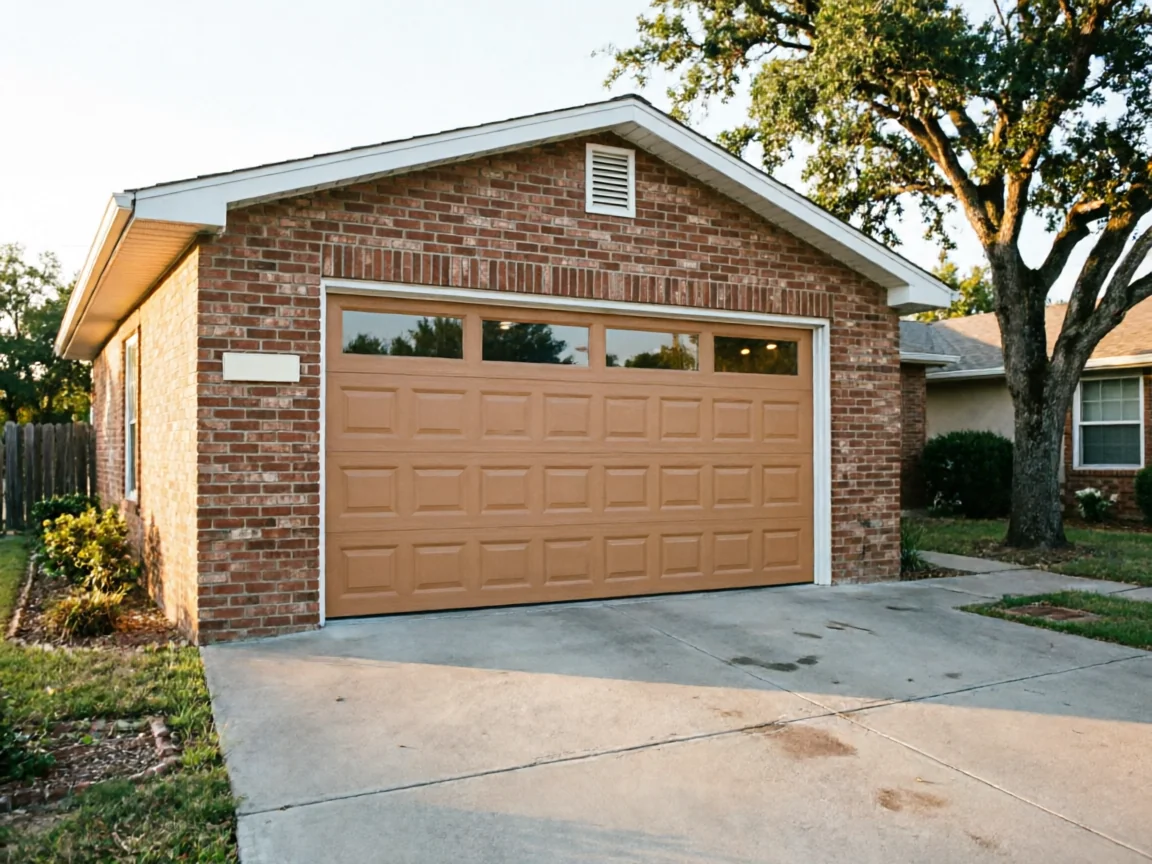
Housing in this service area spans construction from 1957 up through 2018, with a median build year around 1993, and that spread matters for openers specifically. A house built in the 1980s or 90s - which covers most of the ten communities we work across - was likely fitted with its original chain-drive opener decades ago, or a mid-2000s replacement that's now past its expected service life. Older units weren't built with rolling-code security or battery backup, so when they fail, they fail in ways that look like a security problem (remote stops syncing) rather than a mechanical one.
The climate here is mild with occasional freeze days, which doesn't stress openers the way deep-freeze regions do, but it does mean grease and lubricant inside older gear-drive units can thicken on the handful of cold mornings each winter, adding load right when a tired motor can least afford it. That combination - aging original hardware plus a once-in-a-while cold snap - is why opener calls cluster in homes from the 80s and 90s stock rather than showing an even spread across all ages of house.
The DIY Question
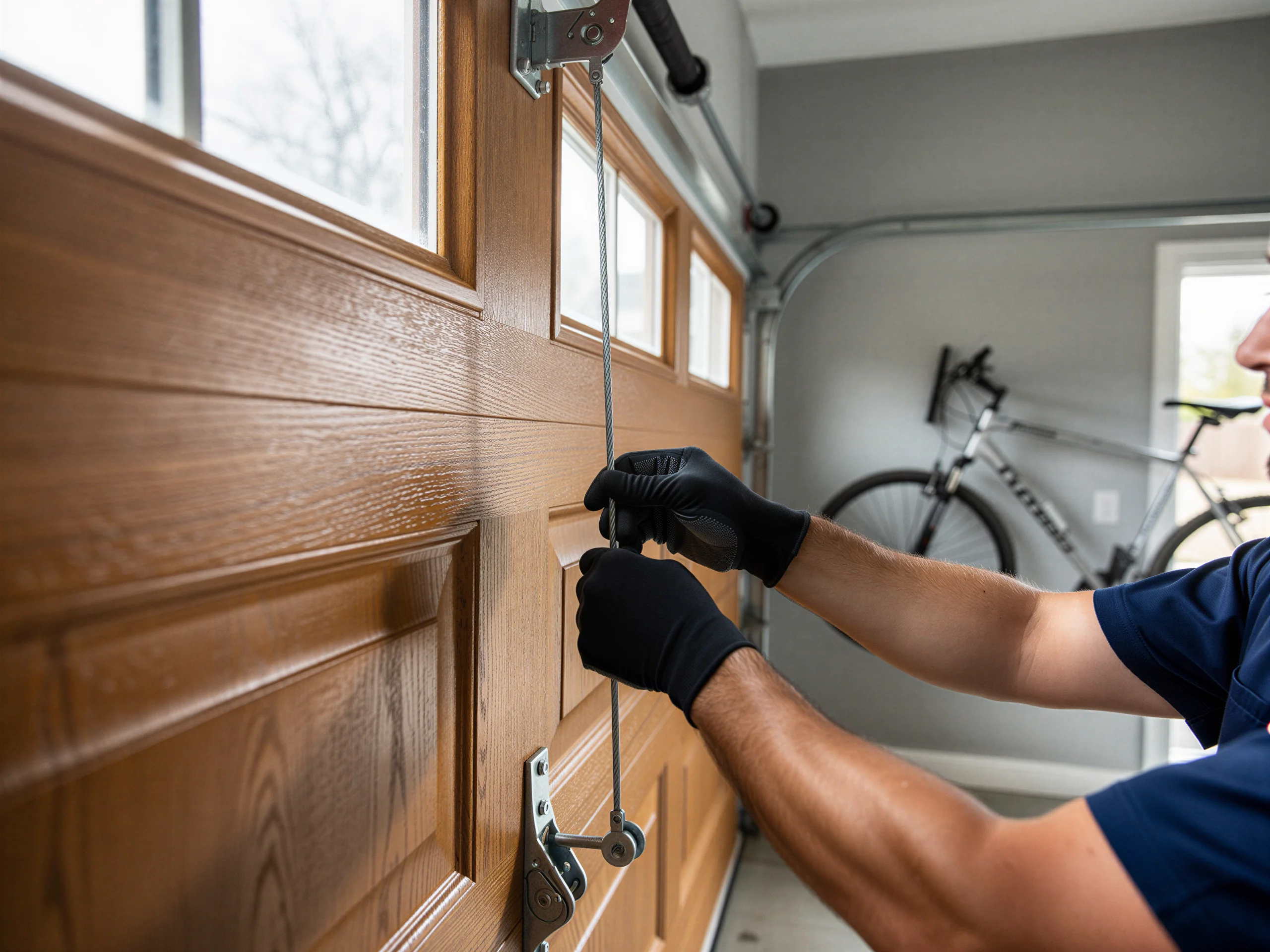
You can swap a remote battery, reprogram a keypad, and check whether the safety sensors at the bottom of the track are aligned - a flashing light on one sensor usually means the other one's knocked out of alignment, and that's a five-minute fix with no tools.
Full opener unit swap
Those three things solve a real share of "opener won't work" calls. What you shouldn't do yourself is pull the old unit and wire in a new one if you've never done it.
Travel limits and force settings
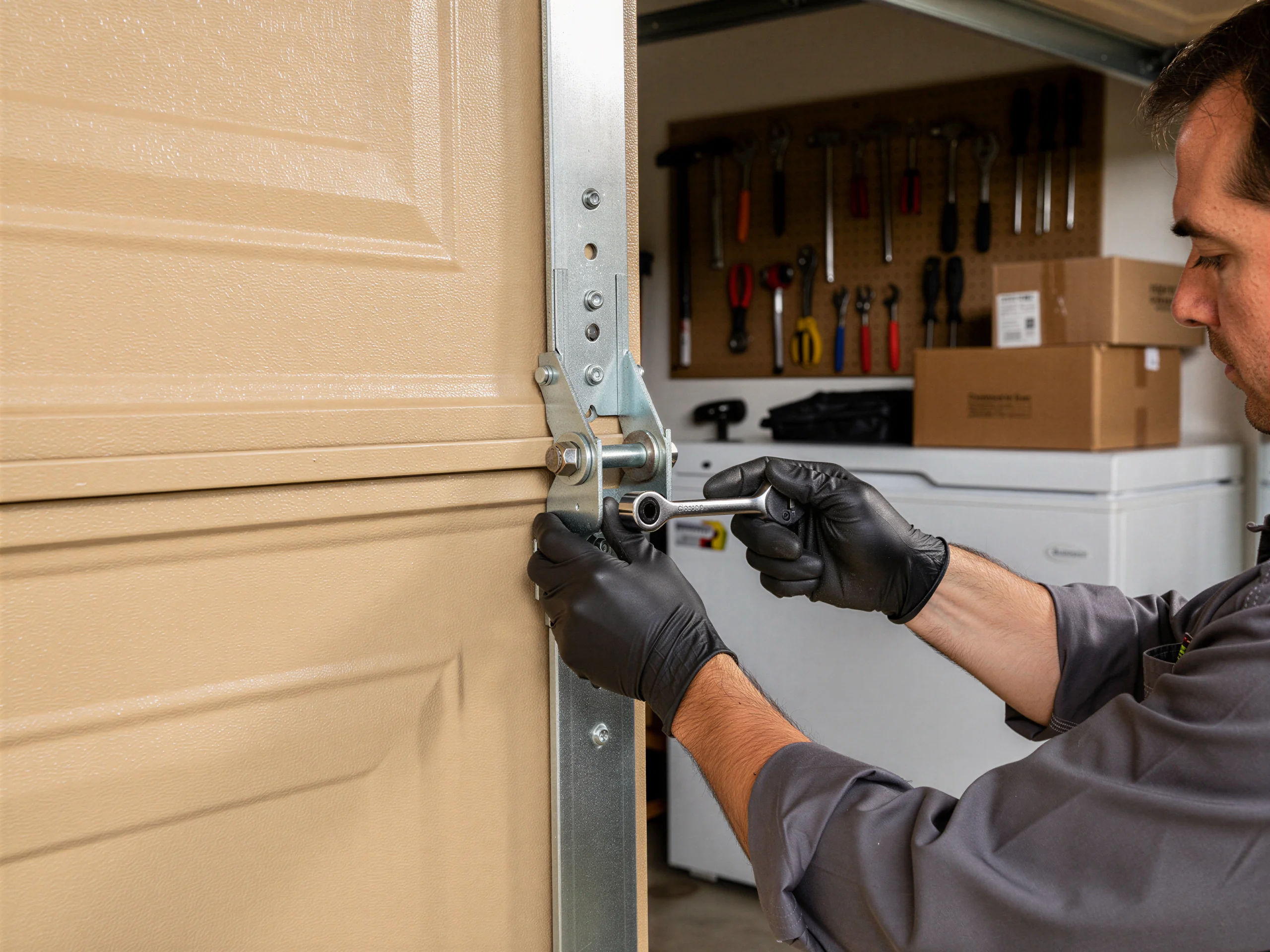
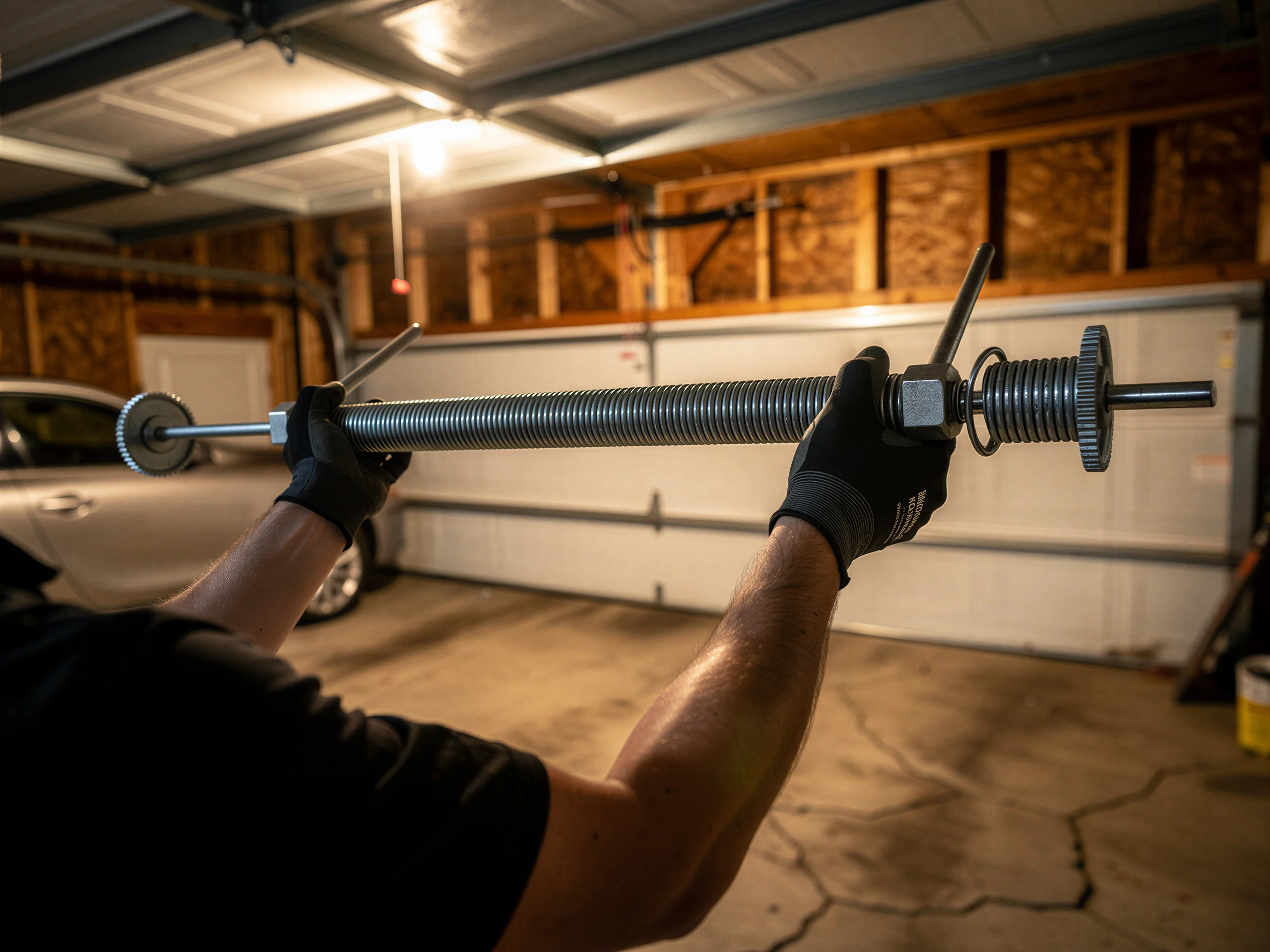
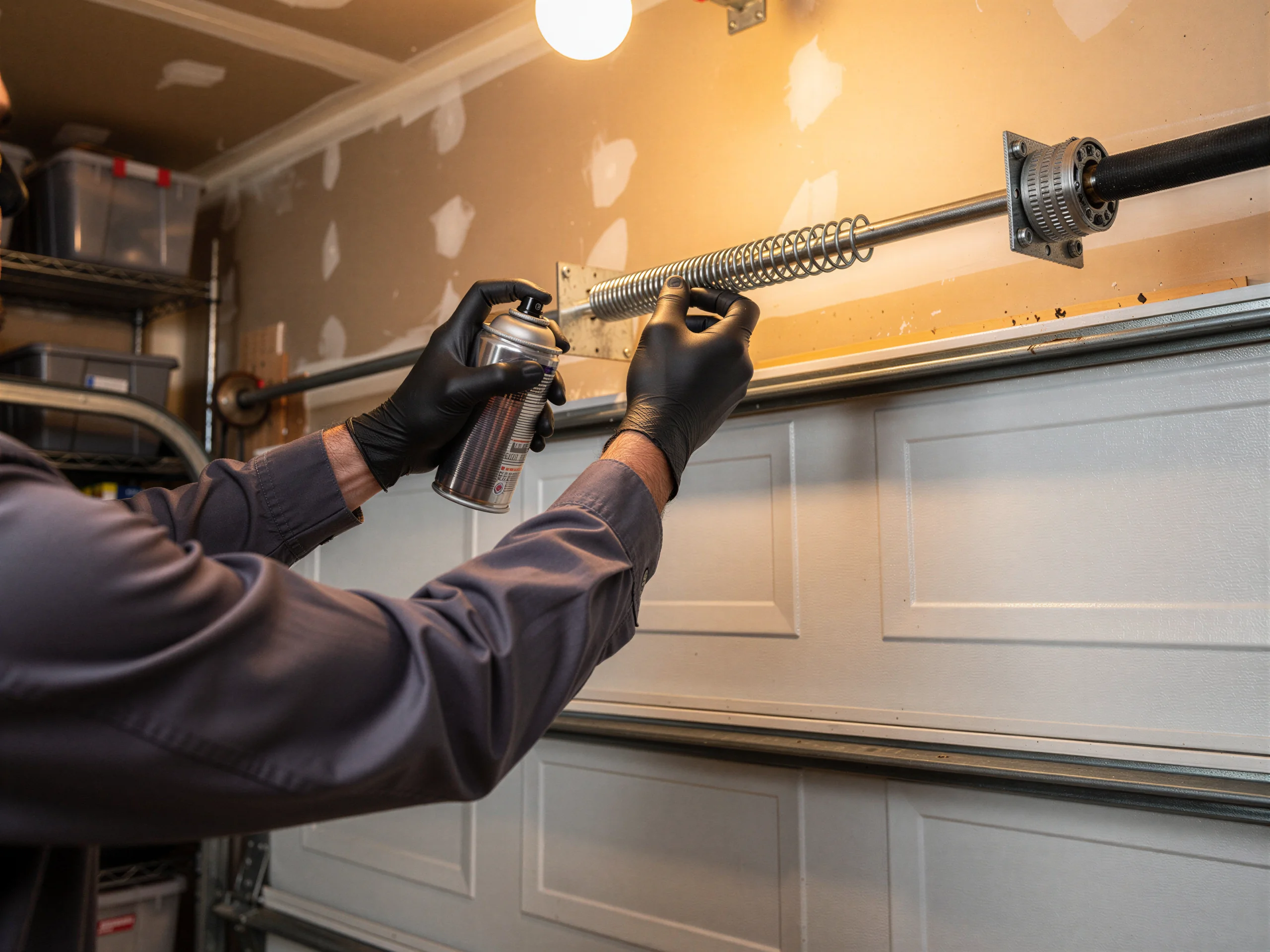
The opener has to be matched to door weight and track type, the travel limits and force settings have to be set correctly or the door will reverse on an obstruction too late (or too early, which is its own headache), and if your door still runs on an older high-tension spring setup, working anywhere near that system without knowing what you're doing is how people get hurt. If the sensor-alignment check and a battery swap don't bring it back, that's the point to call rather than start pulling the housing apart.
What You Pay
We don't have a flat number to quote on this page because opener cost depends on the unit - belt versus chain drive, horsepower, whether you want battery backup for the occasional power blip, and whether your existing wiring and bracket can be reused or need replacing. What we can tell you is what drives the range: houses built in the 1990s era that make up most of this market usually need straightforward swaps on existing rail and bracket hardware, which keeps labor simpler than a full new install. Homes with older torsion setups sometimes need bracket or track work done at the same time, which adds to the job.
Give us the door width, whether it's single or double, and roughly how old the current opener is, and we can get you a real number before a truck comes out, not a guess.
Talk to a local pro
Garage door service in Georgetown?
Same-day service with honest, upfront quotes.