Why This Fails Locally
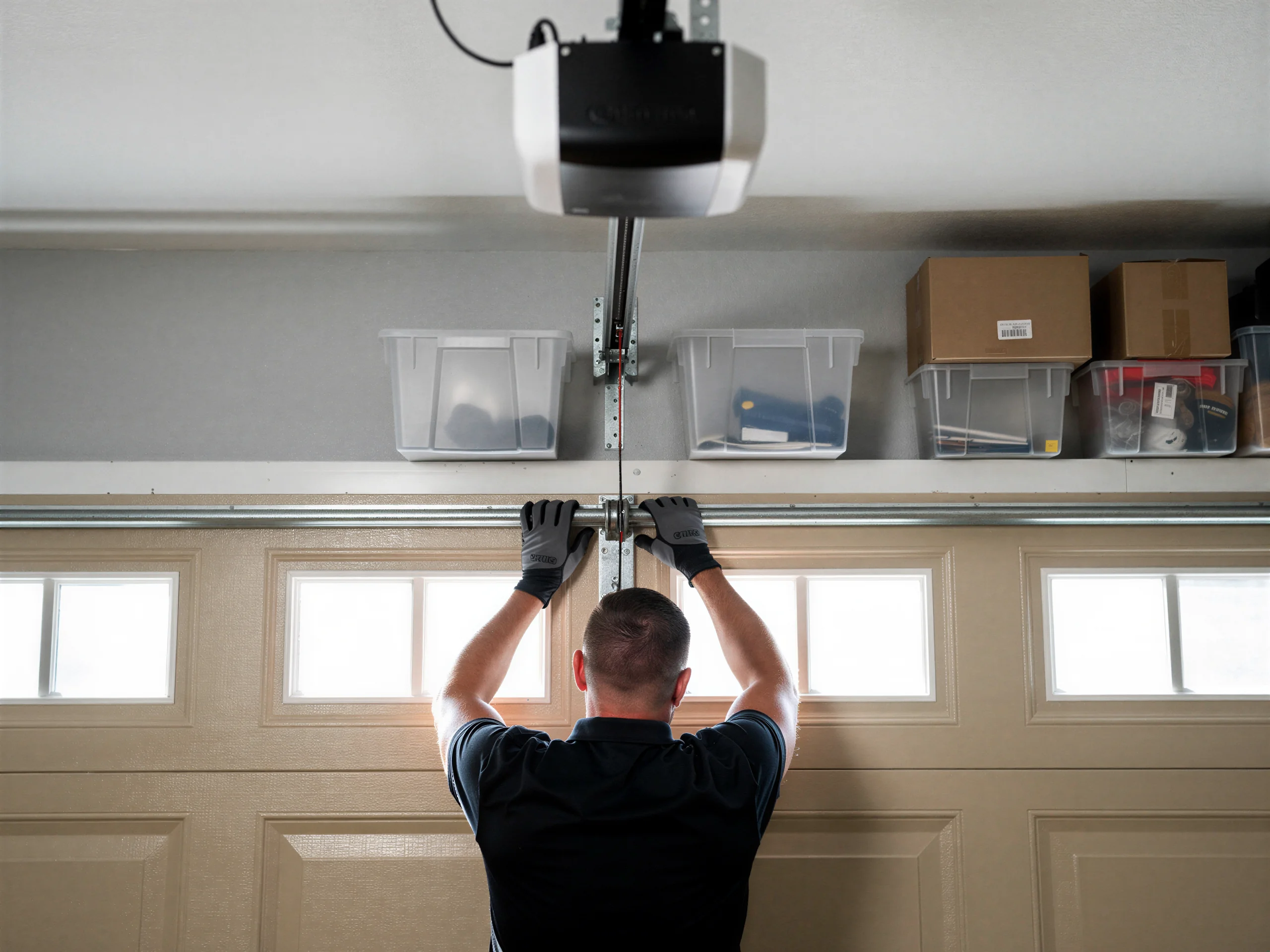
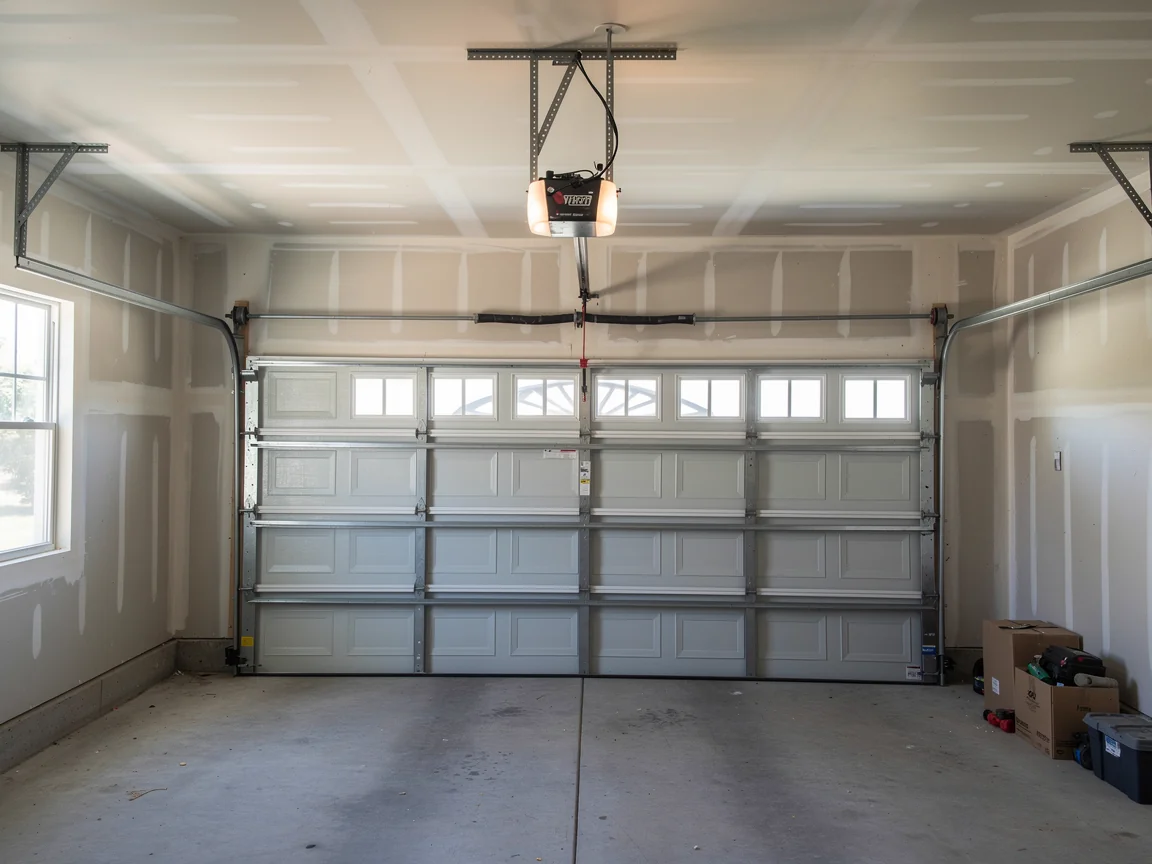
The call we get most from Pflugerville isn't a snapped spring. It's an opener that chatters, reverses on its own, or won't respond to the remote at all. That tracks with when this area was built. Most of Pflugerville went up around 2004, well after garage door openers were required to carry photo-eye safety sensors and auto-reverse logic. Those circuit boards and sensor eyes are now twenty years into service, and that's about the age where the capacitors on the board start to go and the sensor alignment drifts a hair off true from years of the door frame settling.
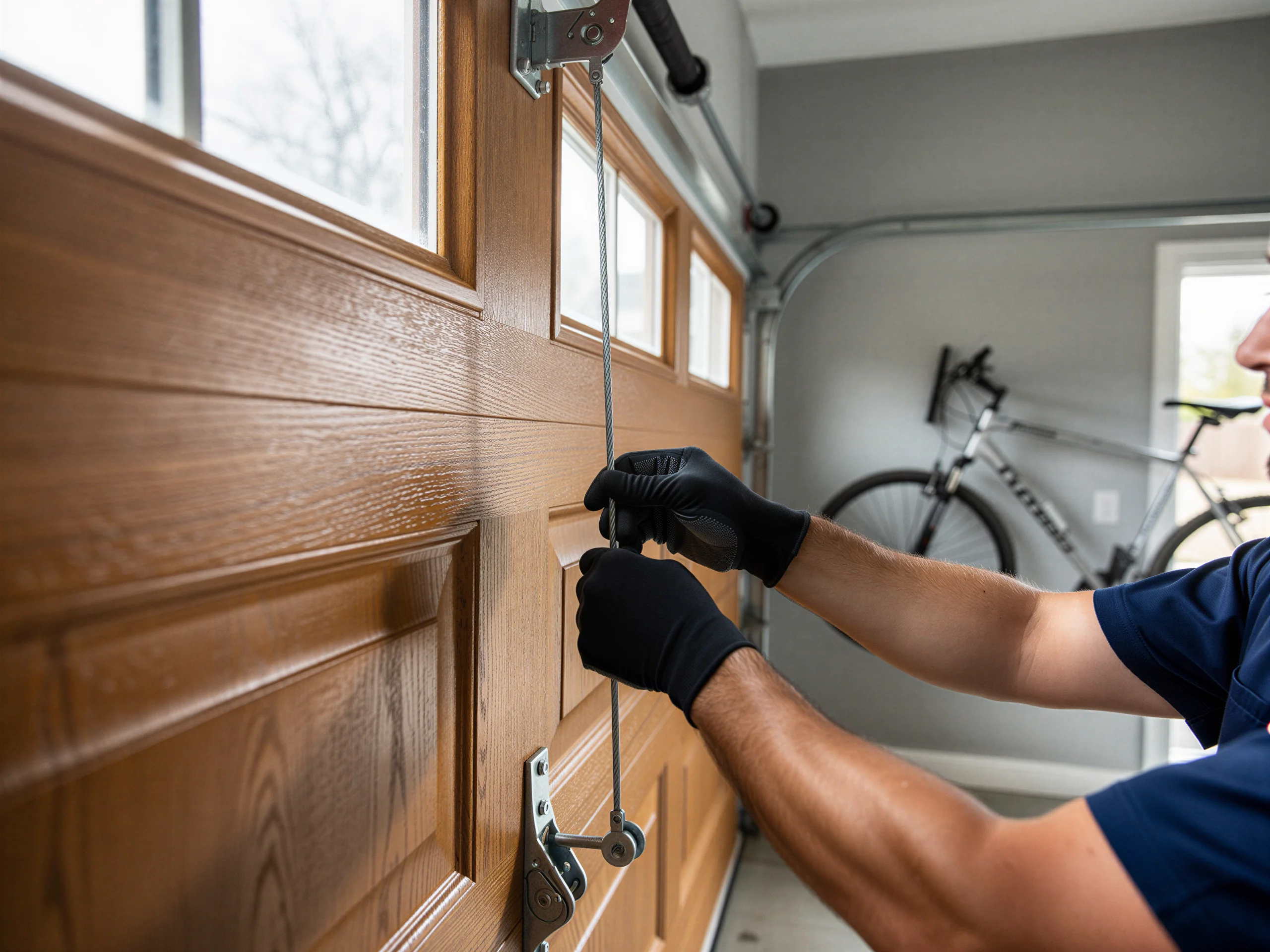
Compare that to older stock elsewhere in the service area, where the first thing to fail is usually the torsion spring itself. In Pflugerville, the springs are often still fine - they're rated for more cycles than they've seen. What's wearing out is the electronics and the small stuff: the sensor brackets that get bumped by a bike or a trash can, the wall button that's cracked from sun through a west-facing garage window, the belt-drive opener whose belt has stretched enough to skip a tooth. Diagnose by build era first, not by habit.
The DIY Question
If your opener's light blinks a set number of times when the door won't close, that's the board telling you which sensor or circuit it thinks is at fault - check your owner's manual or the sticker on the motor housing before you call anyone. Wiping dust off both photo-eye lenses and making sure they're aimed dead-level at each other fixes a surprising share of these calls, and it costs you nothing.
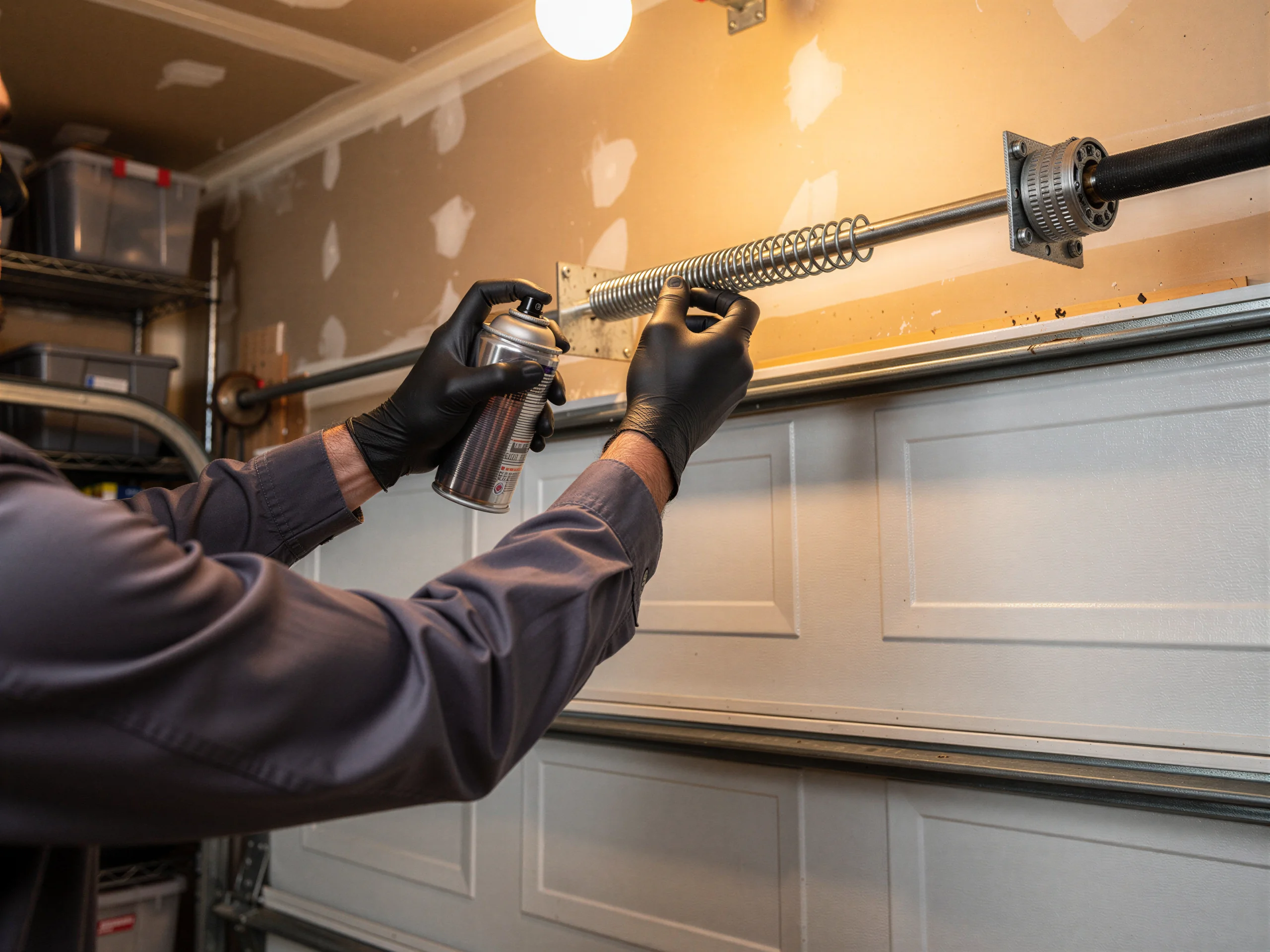
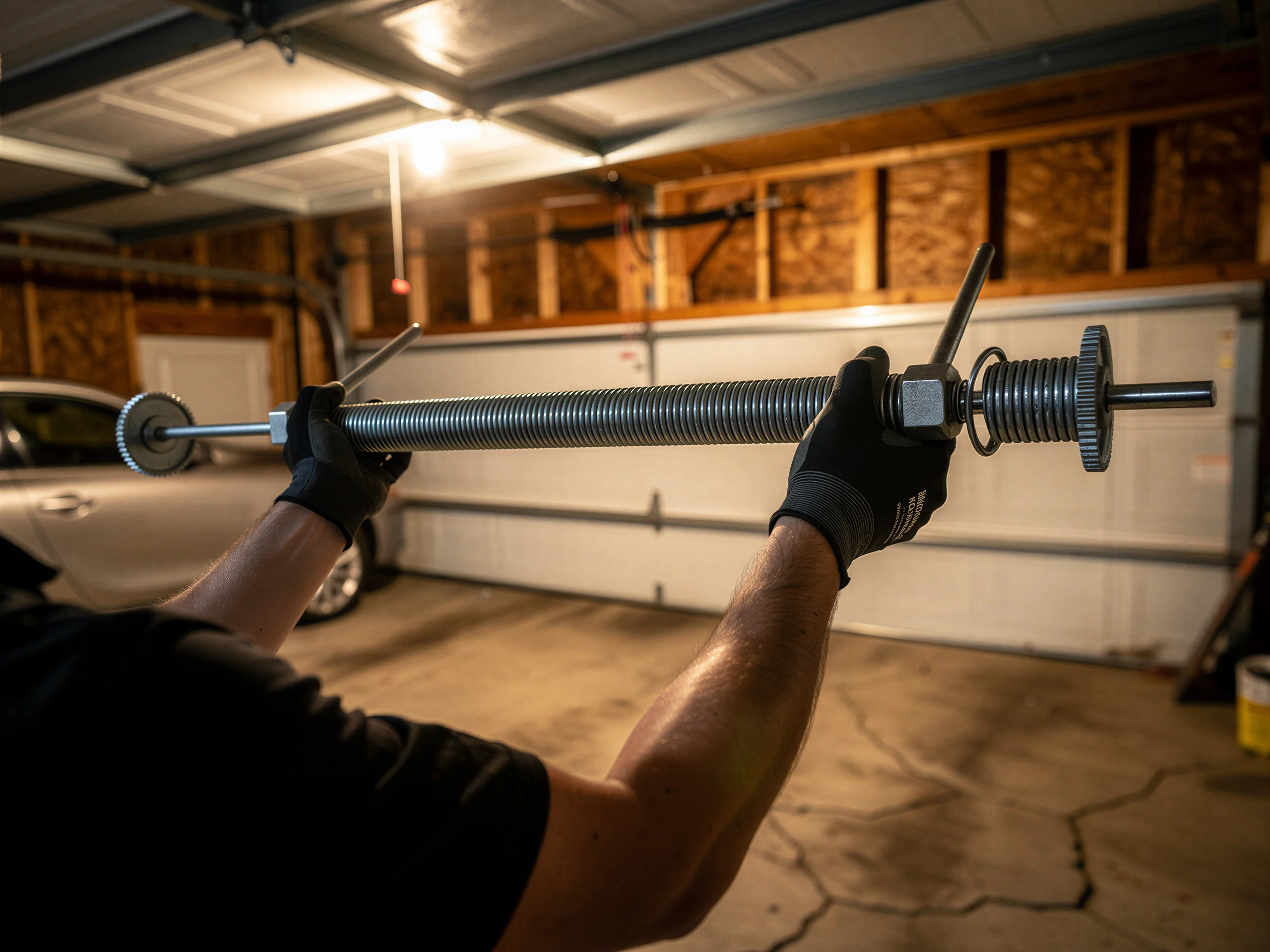
What we don't recommend DIY-ing on a 2004-era door: opening the opener housing to replace the circuit board yourself, or re-tensioning a torsion spring. The board work is usually cheaper to swap as a unit than to troubleshoot component by component, and torsion springs store enough force to break a hand if the winding bars slip. If you've cleaned the sensors, checked the remote batteries, and the door still won't behave, that's where the truck trip from Georgetown earns its keep.
The Symptom
The pattern we see most in this part of the service area: door closes partway, stops, reverses back up, over and over, with no obstruction anywhere near the sensors.
Sensor and wiring faults
Homeowners assume it's the door. Nine times out of ten on a house this age, it's a sensor that's gone slightly out of alignment, a wire nicked where it runs along the track, or a logic board that's started misreading a clean signal as an obstruction.
Door hardware condition
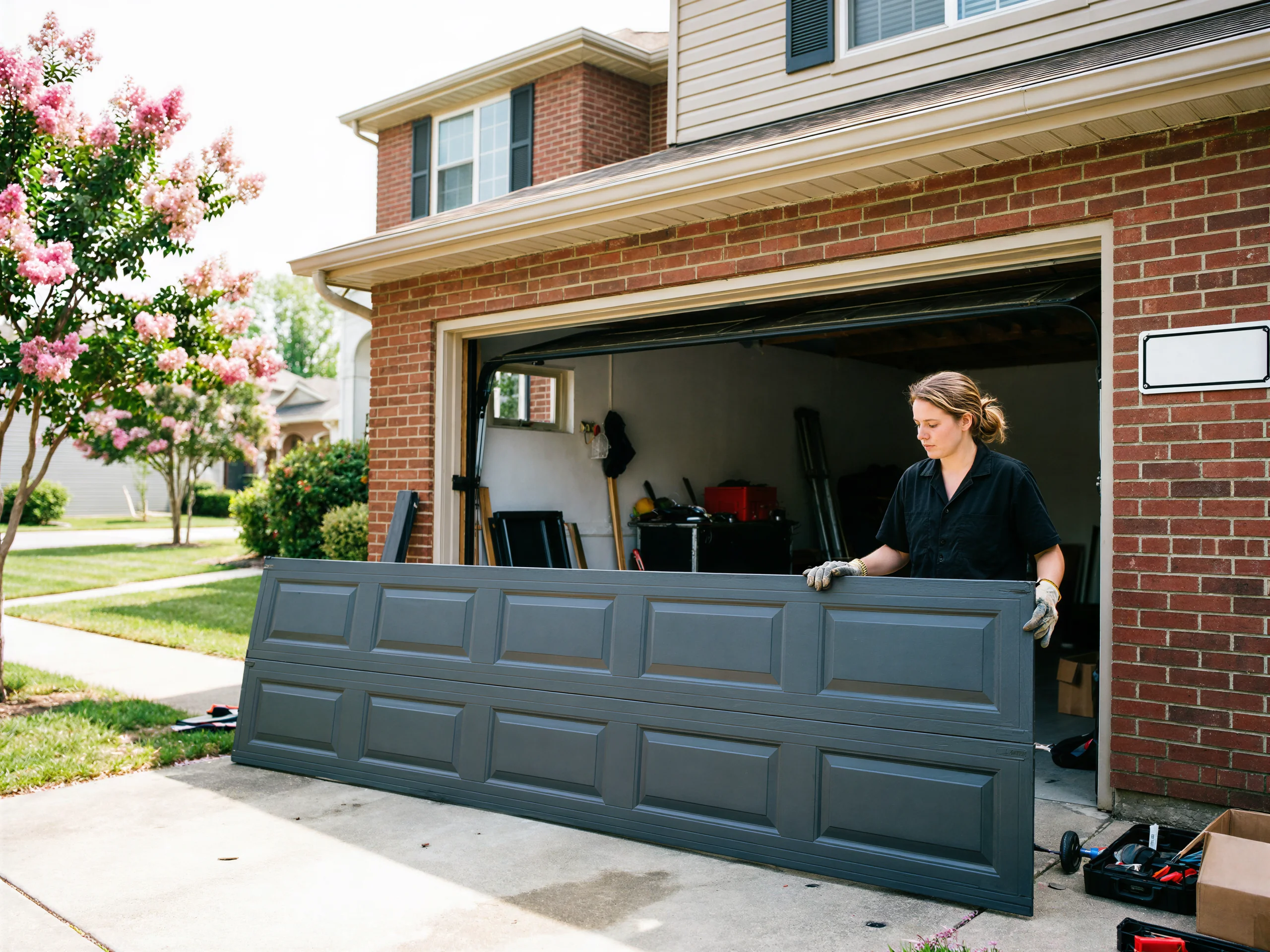
The door itself - the panels, the rollers, the springs - is often in decent shape at twenty years old if it's been run a few times a month and nothing's been backed into it.
Drive gear grinding
The other symptom worth naming: openers from this build era are frequently chain or belt drive units nearing the end of their rated life, and a worn drive gear inside the housing will grind and slow the door down well before it fails outright. If yours has started taking noticeably longer to open than it did a year ago, that's the gear, not the spring.
What You Pay
We don't have a flat number to quote you in writing here, because a sensor realignment and a full opener board swap land at very different prices, and we're not going to pretend otherwise.
Diagnose-then-quote approach
What we can tell you is how we price on the visit: we diagnose first, tell you what's actually wrong, and quote the fix before we touch anything further.
Board-only replacement
If the board's failing but the motor and drive are sound, replacing just the logic board is usually the cheaper path versus a whole new opener. If the drive gear's worn past the point of adjustment, that's a different conversation.
Discontinued board limits
One honest limitation: if your opener is a chain-drive unit old enough that the manufacturer no longer makes replacement boards for it, we'll tell you that on site rather than order a part that may take weeks to source, and we'll walk you through whether a full opener swap makes more sense than chasing a discontinued part.
Getting It Booked In
We're based in Georgetown, about 16 miles out, so a Pflugerville call isn't a same-building visit - it's a scheduled truck trip, and we're upfront about that rather than promising a response time we can't back up from this distance. Tell us the symptom when you call: does the light on the opener blink a count, does the door reverse mid-close, is there a grinding sound from the housing. That lets us bring the right board or sensor stock instead of diagnosing cold in your driveway.
For the rest of what we cover in this area, see our Pflugerville garage door repair page. If you're closer to Georgetown itself, the Georgetown garage door repair page covers that side of the service area, where the housing stock and the common faults run older and different.
Talk to a local pro
Garage door service in Georgetown?
Same-day service with honest, upfront quotes.