What You Pay
Brushy Creek's median household income runs $137,630 - well above the $99,368 median across the rest of our service area. That number matters more than it sounds like it should, because it changes where the repair-or-replace line sits.
Stretching older openers
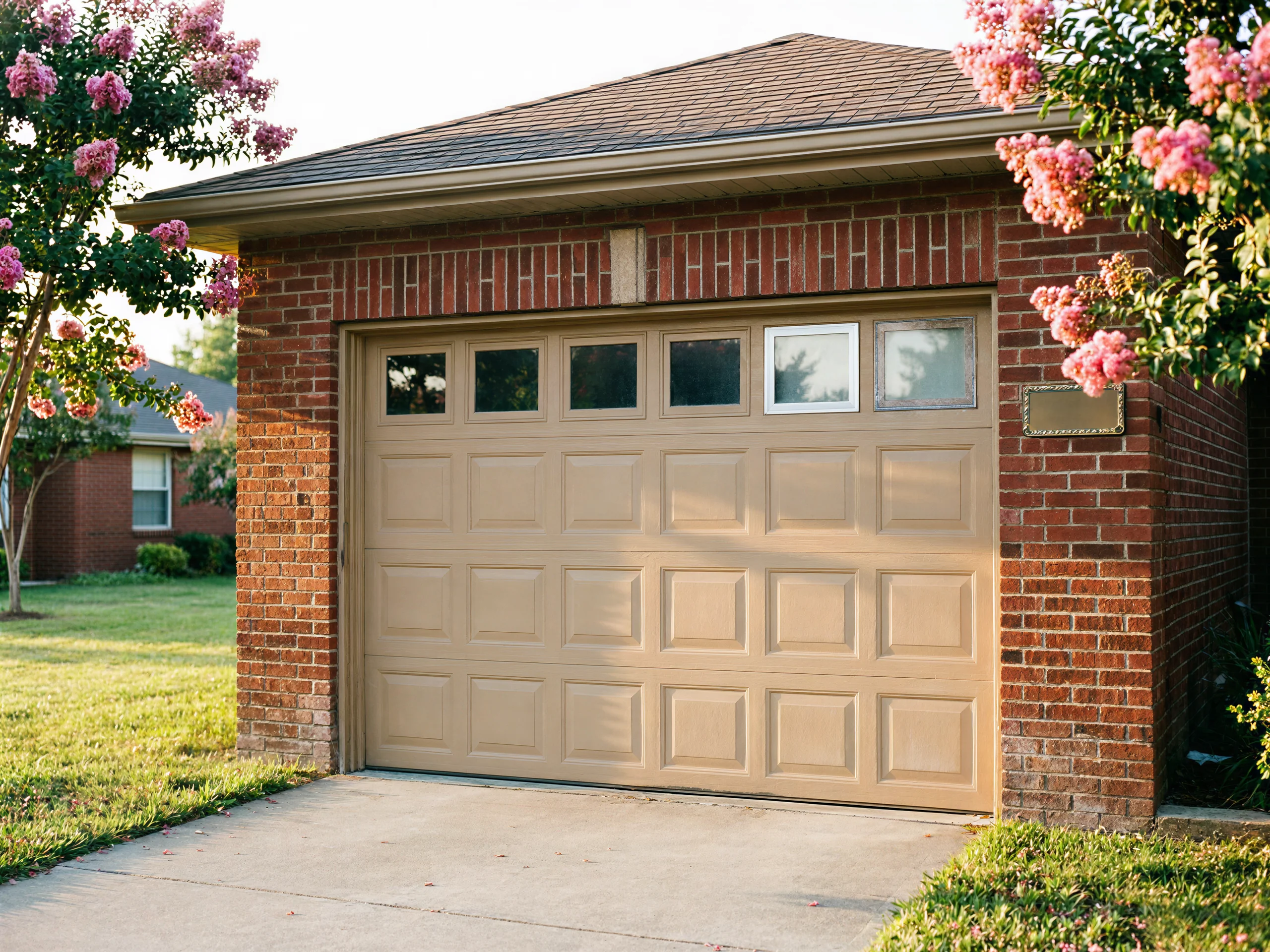
On a lower-income block, we'll stretch a dying opener another two years with a new logic board or a capacitor swap. Here, homeowners more often tell us to just replace the unit rather than nurse along a chain-drive opener that's already outlived its gears. Most houses in Brushy Creek went up around 1995, which puts the original openers at the end of their working life if they haven't already been swapped once.
Straight swap baseline
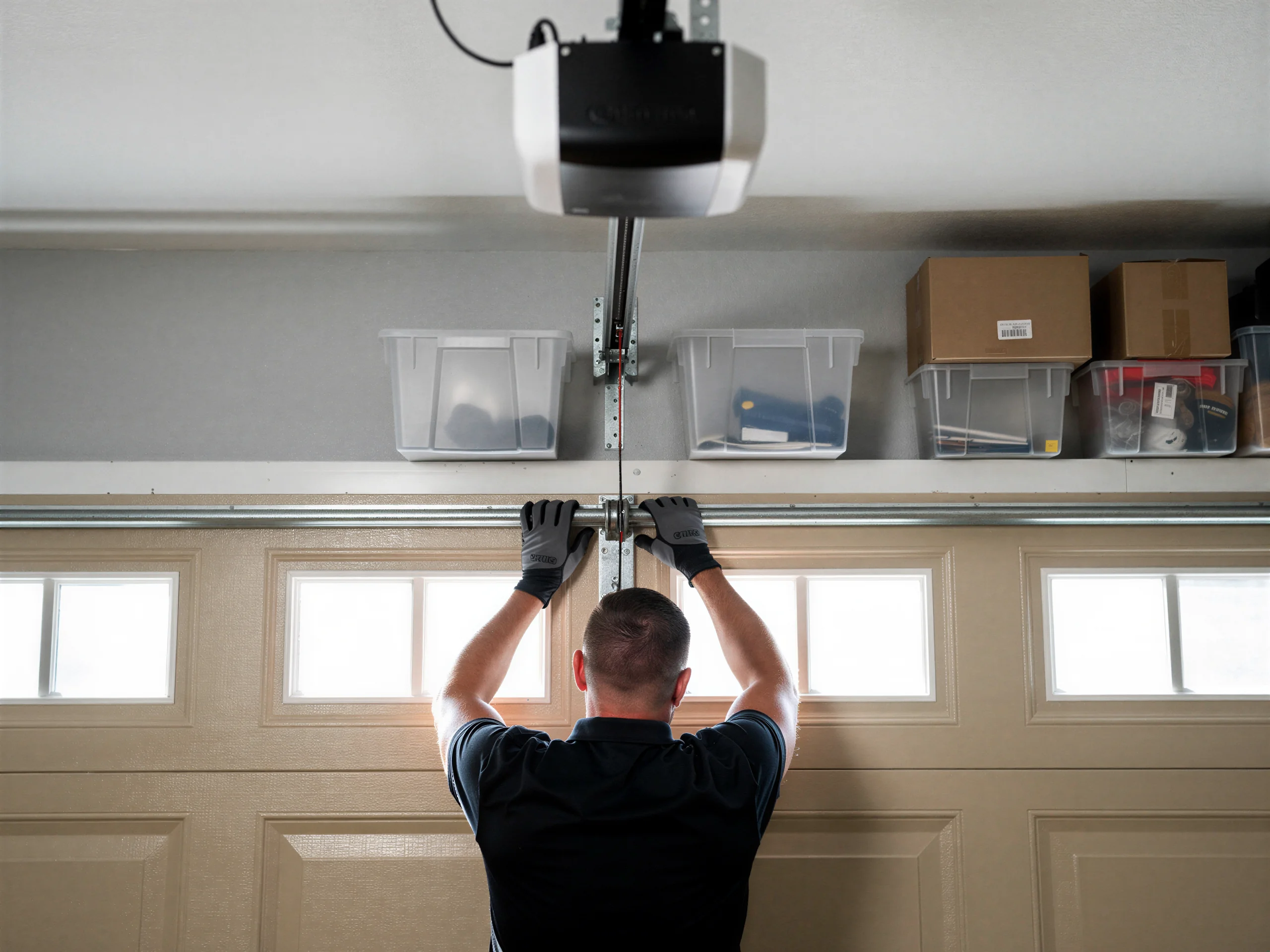
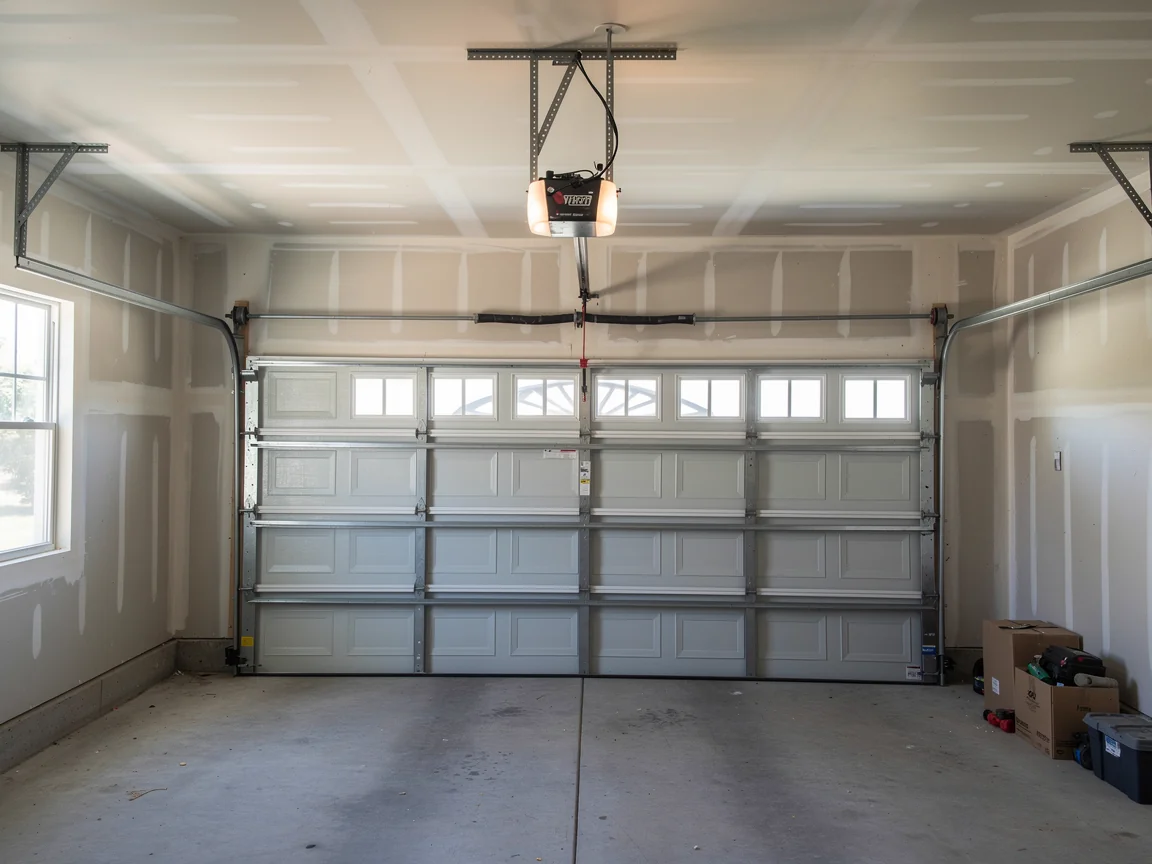
A straight swap - same mounting, same door, new opener head - is the cheapest version of this job. Cost climbs if the existing rail is bent, if the wall console is wired into a dead circuit, or if the door itself needs new hinges or rollers to carry a stronger motor.
Ceiling wiring variables
We don't quote a flat number here because the variable isn't the opener, it's what's already on the ceiling. We don't install the cheapest big-box unit just because it's cheapest. On a house built to this era's code, an underpowered opener strains against a heavier insulated door and burns out its gears in a few years. That's a bill you pay twice.
The DIY Question
Installing an opener yourself is doable if you've got two people, a weekend, and a torque wrench you trust. The part that trips people up isn't the bracket work, it's the travel limits and the force setting - set wrong, the door either won't seal against the weatherstrip or it'll reverse on a leaf in the track.
Cold-morning force settings
In a mild-climate area like this, with occasional freeze days, that force setting also has to account for a slightly stiffer spring on cold mornings, which most DIY installs skip entirely. The honest limitation: we don't do warranty work on openers we didn't install or at least inspect first.
Manufacturer warranty route
If you put in a unit yourself and the logic board fails eight months in, that's a manufacturer claim, not a service call to us - and we'll tell you that up front rather than string you along.
Old brackets with new motors
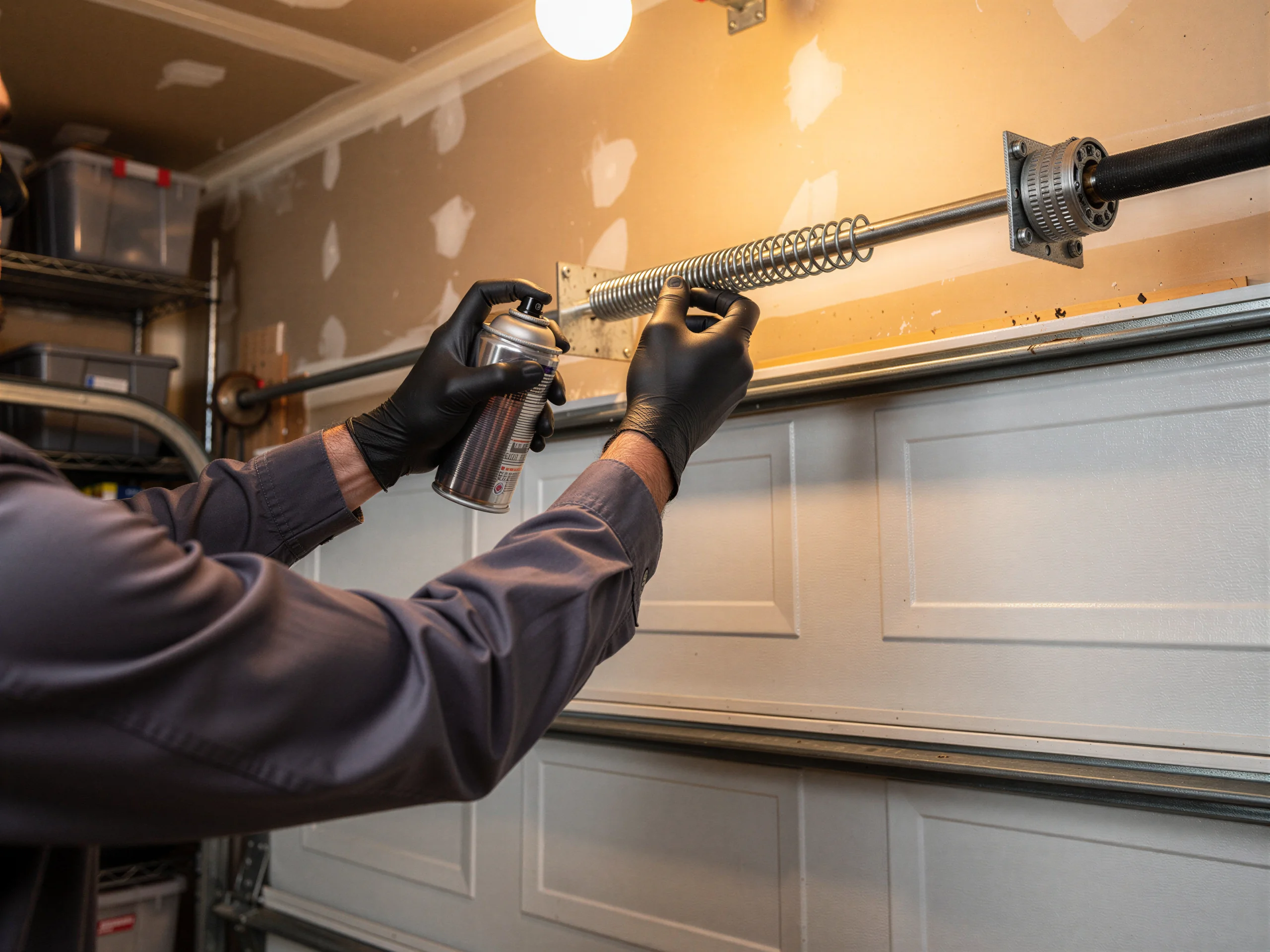
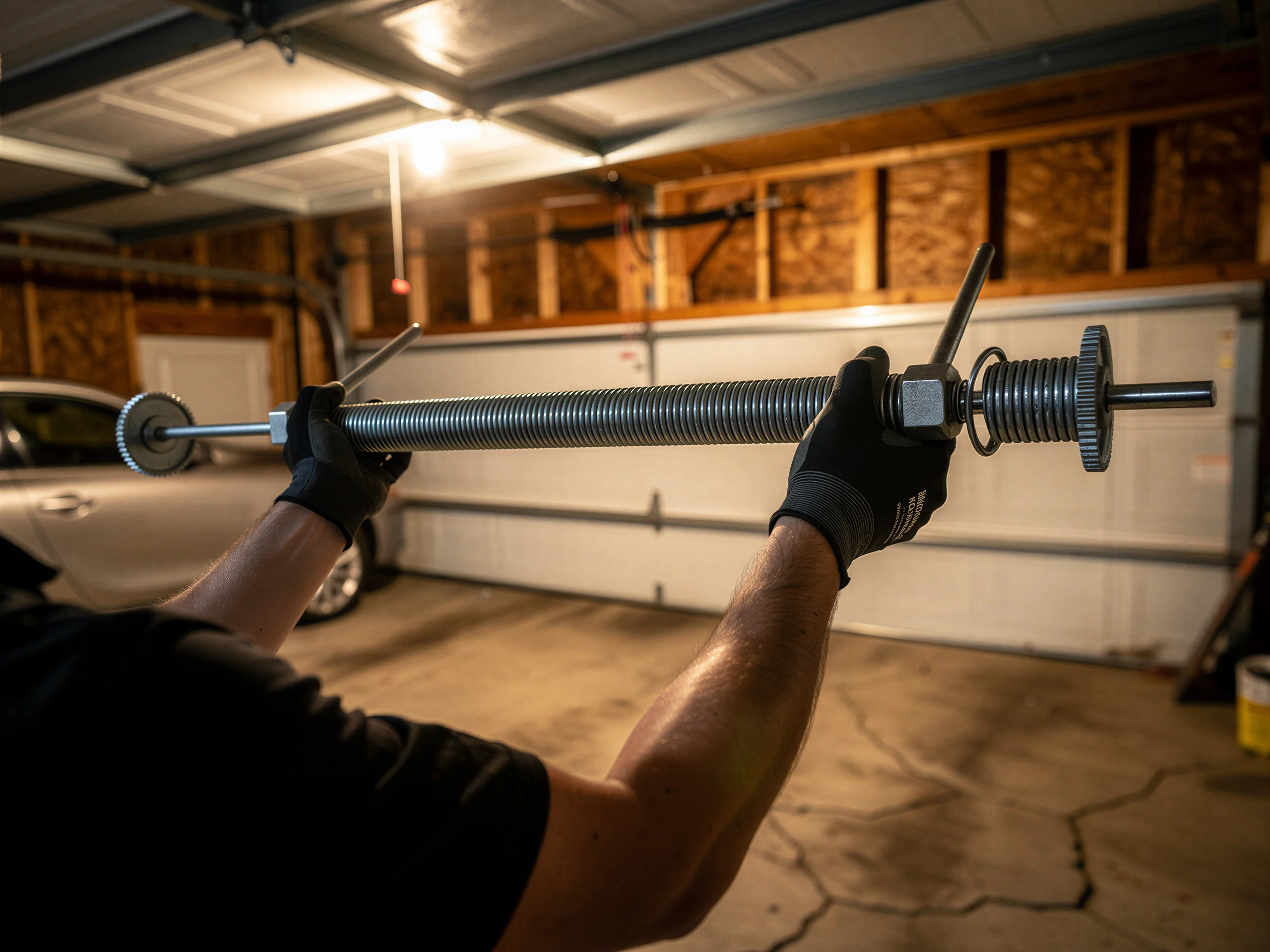
Where DIY makes less sense is on a house with the original 1990s-era door hardware still attached. Pairing a new smart opener with 30-year-old brackets and a worn torsion spring is asking the new motor to do the old hardware's job. That's not a safety risk most people catch until the door starts dropping unevenly.
Getting It Booked In
We run this job out of Georgetown, 11 miles from Brushy Creek, so we book opener installs on a set day rather than same-morning. That's not a complaint about the distance - it's just how the schedule works when a town sits outside the home base. If your opener is already dead and the door won't open at all, that's a repair call first; see Brushy Creek Garage Door Repair for that.
For the install itself, we ask for the door's age, whether it's a single or double, and whether there's an existing wall console to reuse. Across Brushy Creek's roughly 7,315 households, we see a fair number of double-door garages with the original chain-drive opener still bolted to a rail that's bowed in the middle - that's worth mentioning when you call, since it changes whether we can reuse the rail or need to bring a new one.
If you're comparing this against a general opener job, the broader service-area page covers installs across all our towns: Garage Door Opener Installation, Georgetown TX.
Why This Fails Locally
The failure pattern in Brushy Creek tracks the build era. Houses from the mid-1990s mostly shipped with chain-drive openers rated for a lighter, uninsulated door. Decades later, a lot of those same houses have upgraded to a heavier insulated door without upgrading the opener to match - so the motor runs hot, the gear strips, and the whole unit quits on a summer afternoon with no warning.
The mild climate here with occasional freeze days doesn't stress openers the way real winters do, but it does mean the rubber seals and the force calibration were likely set once, at install, and never touched again. A door that's drifted a quarter-inch out of square over 25+ years puts side load on the opener's drive gear every single cycle. That's a slow failure, not a sudden one, which is why it so often gets ignored until the opener just stops.
We don't fix this by installing a bigger opener on a door that's out of square - that just moves the strain somewhere else. The right order is square and balance the door first, then size the opener to what the door actually weighs now, not what it weighed when the house was built.
Talk to a local pro
Garage door service in Georgetown?
Same-day service with honest, upfront quotes.