What You Pay
Brushy Creek's housing stock sits at a median build year of 1995, a couple years past the 1993 median for the wider Georgetown service area we cover.
Standard panel sizes
That gap sounds small, but it matters on a panel job: doors from the mid-90s on are more likely to carry standard 8-foot or 9-foot steel sections in common thicknesses, not the oddball one-piece slabs or narrower panel runs you'd find on older stock elsewhere in the area.
Matching discontinued panels
That means a better chance we can match your existing panel without special-ordering a run from a discontinued line. We don't quote a flat number here because panel pricing depends on your door's brand, panel height, whether it's insulated, and whether we're matching one damaged section or replacing a full run on both sides.
Common door size check
What we can tell you before a truck ever leaves Georgetown is whether your door is a common size we see often in this part of the service area, which narrows the guesswork fast.We're honest that some panel runs, especially anything with a discontinued finish or an odd rib pattern, take longer to source. If your door's a mismatch for current stock, we'll say so instead of pretending otherwise.
The DIY Question
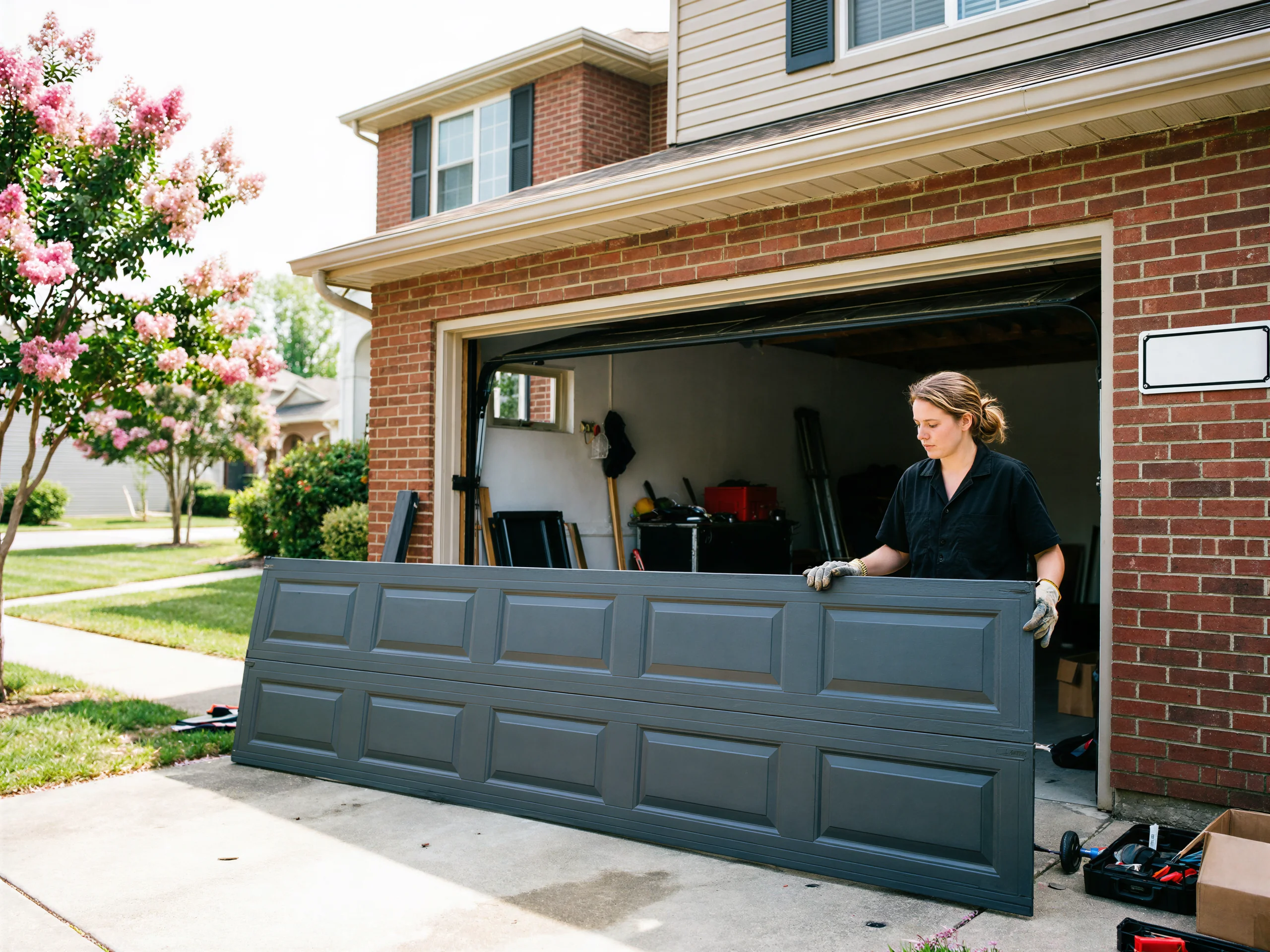
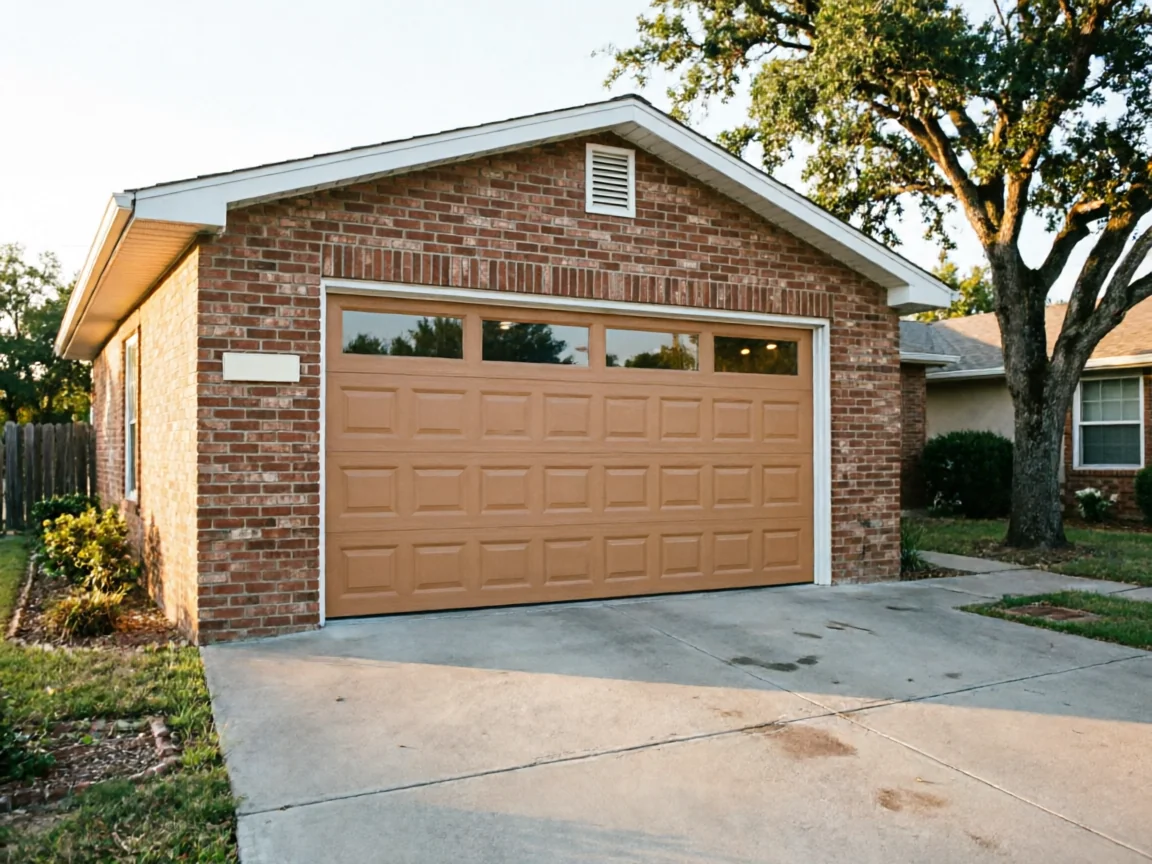
A cracked or dented panel on a sectional door looks like a bolt-off, bolt-on job, and sometimes it is. Where it goes wrong is matching.
Gauge and rib variations
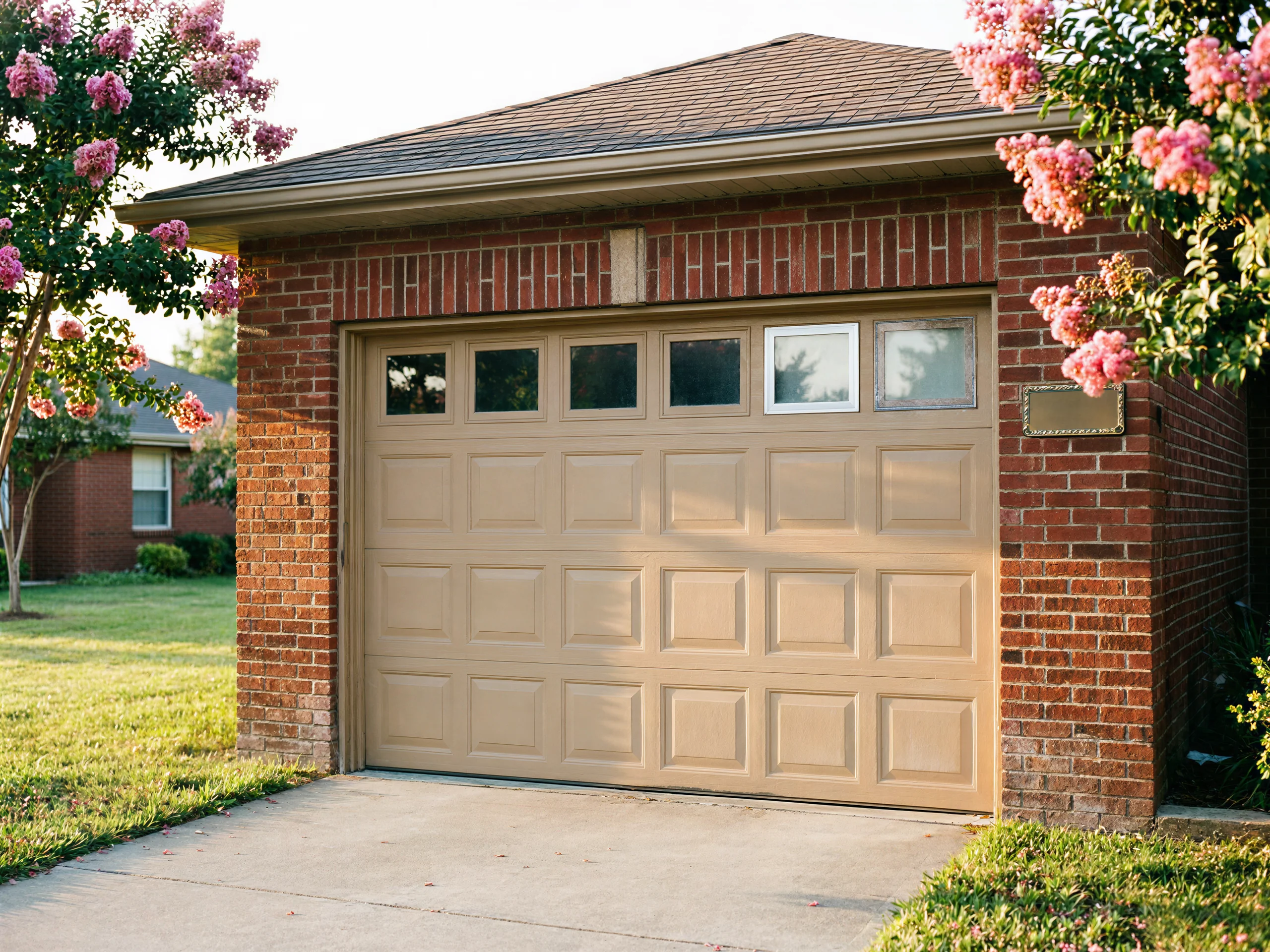
Steel panels vary in gauge, rib profile, and insulation core even within the same manufacturer's line across a few production years, and a door built around 1995 may already be running a panel style the maker has since revised.
Visible seam mismatch
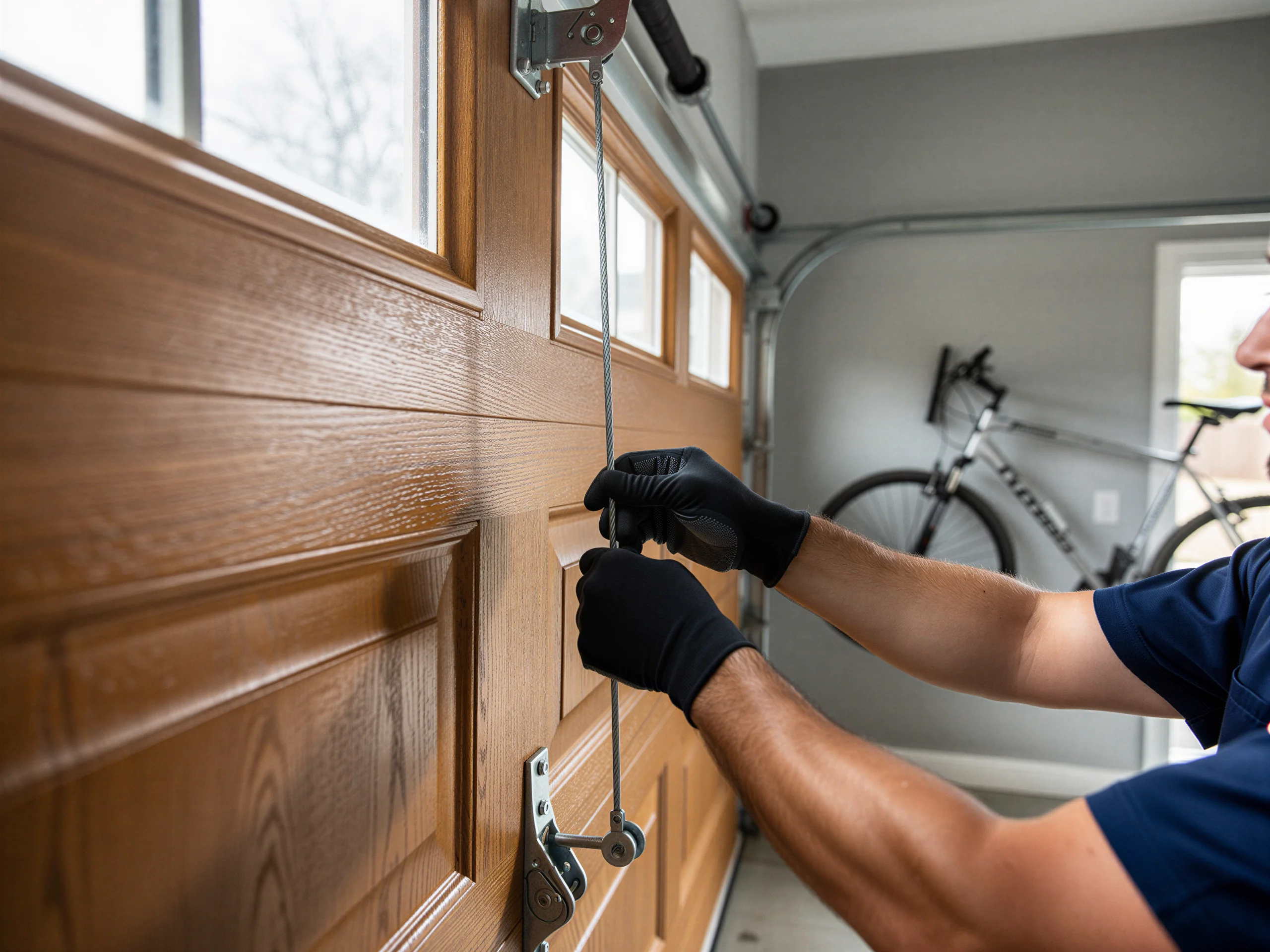
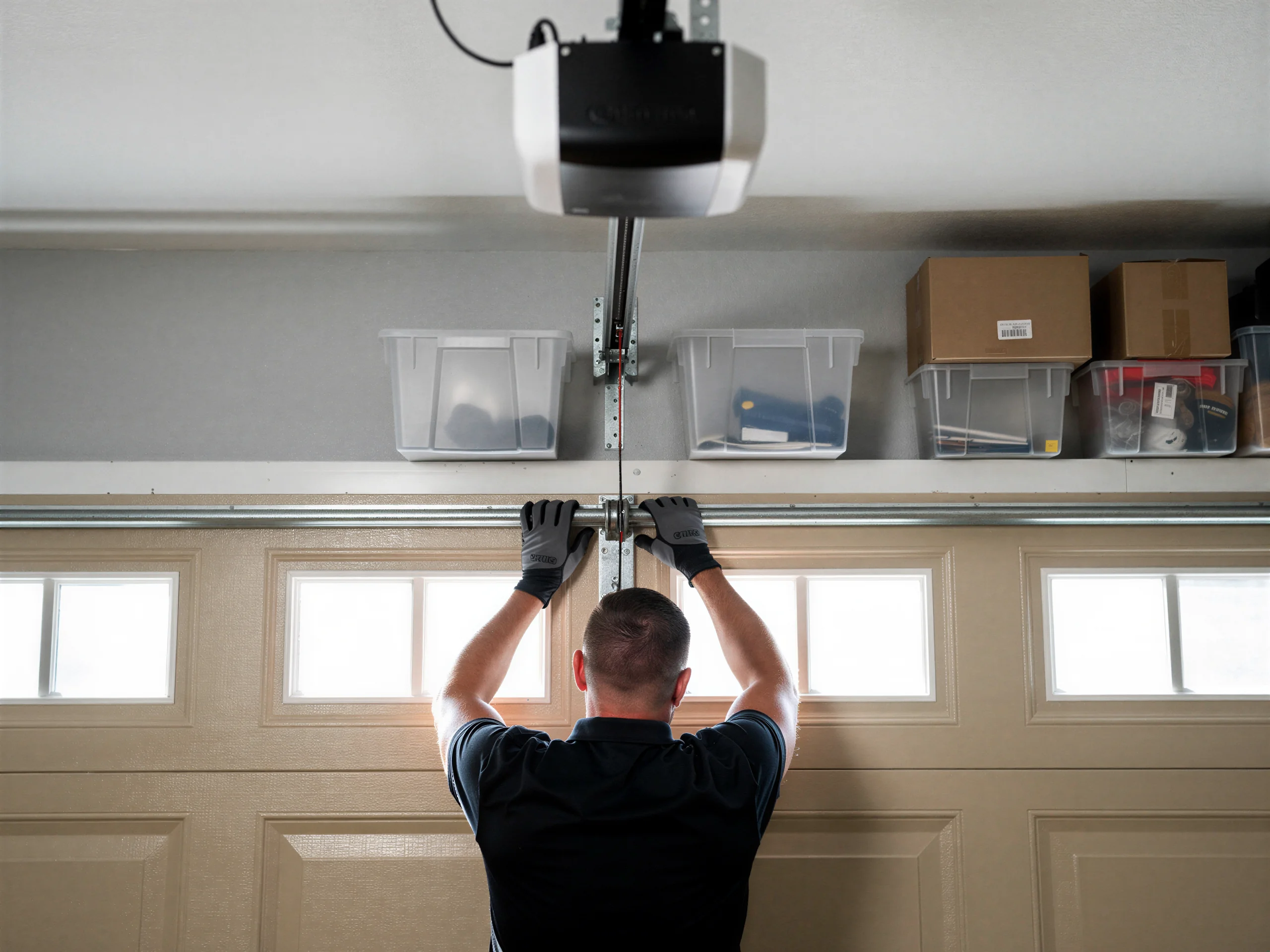
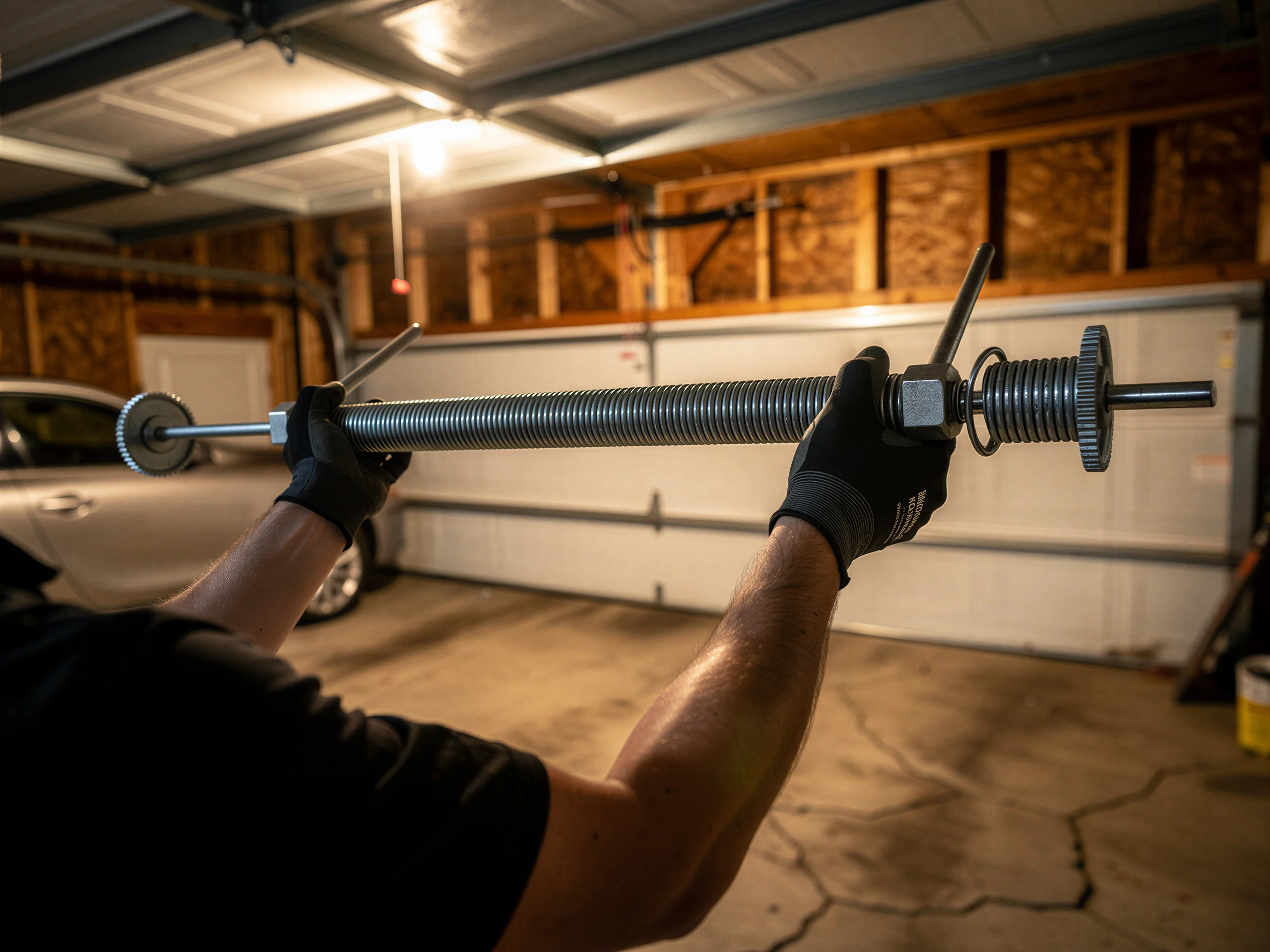
Order the wrong match and you get a visible seam line or a panel that doesn't sit flush against its neighbors, which throws off the balance of the whole section run.There's also the spring tension question. Pulling a bottom panel on a door with torsion springs under load, without releasing tension first, is how people get hurt.
Top panel versus bottom
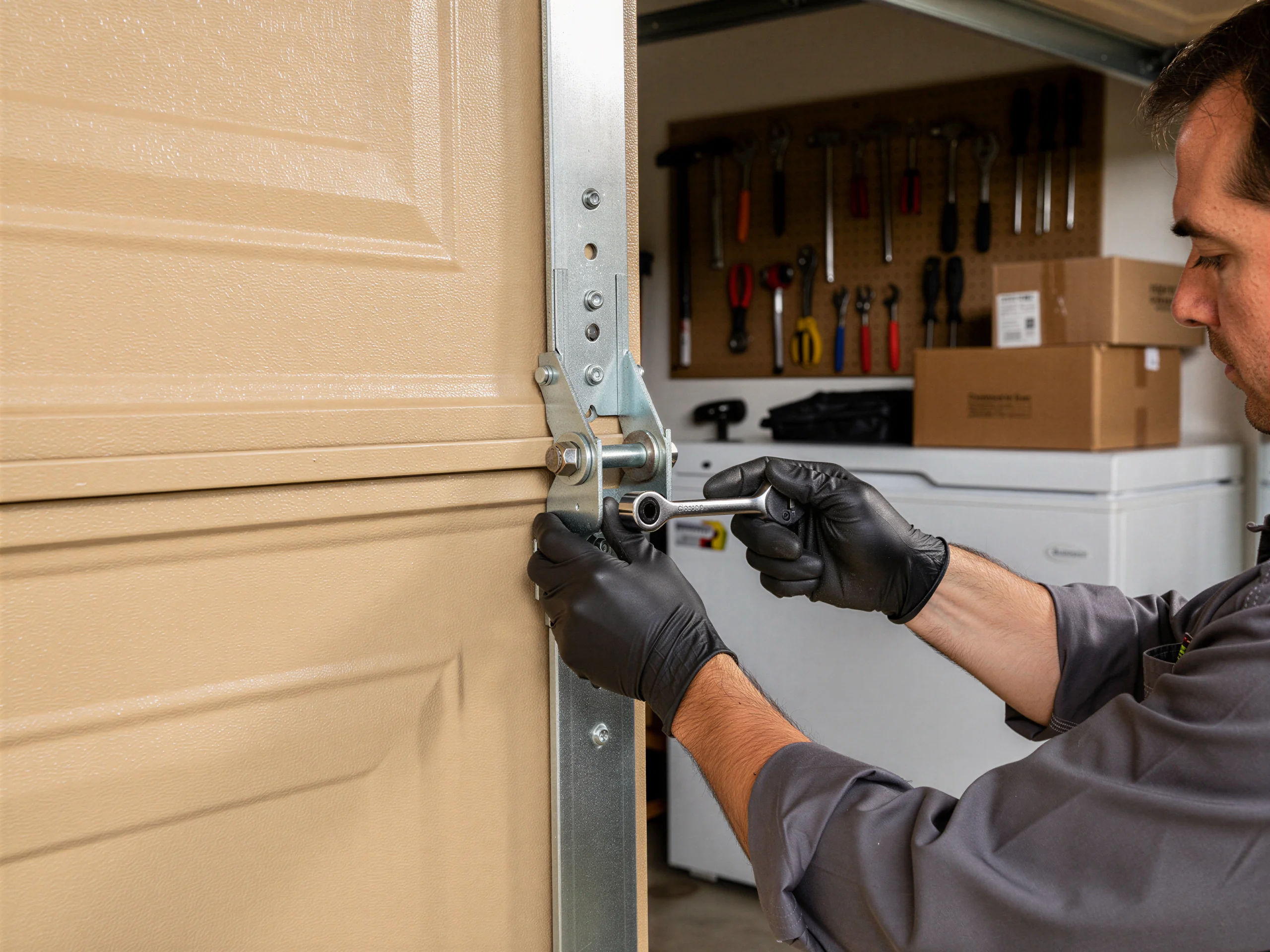
If it's a top panel with no hardware in the way, a careful homeowner can often handle it. If it's anywhere near the bottom bracket, cables, or near a double door's center stile, that's where we'd tell you to call instead of improvise. We'd rather lose the job to your own two hands on a safe one than win it after you've been hurt on a dangerous one.
Getting It Booked In
We run out of Georgetown, about 11 miles from Brushy Creek, so there's no local branch or drop box here - the truck comes from Georgetown on a scheduled run. That means we ask for your door's brand, approximate age, and a photo of the damaged panel before we load parts, so we're not guessing on-site and you're not paying for a second trip. For a straightforward single-panel swap on a common size, we can often bring stock steel on the first visit. For anything matching an older or less common run, we'll tell you upfront if we need to order before we come out.If your whole door is older and panel replacement isn't worth chasing anymore - bent track, warped frame, a spring that's clearly next - that's a different conversation, and we'd rather have it honestly than sell you a panel on a door that needs more. Our repair page for this area covers that broader troubleshooting if a panel turns out to be the smaller problem.
Why This Fails Locally
Brushy Creek sits in the mild-with-occasional-freeze band common across this part of the service area. That doesn't mean panels crack from cold the way they might further north - it means the failure mode here is usually sun and swelling, not frost heave. Steel panels on south- and west-facing doors take enough direct heat over the years that the paint finish chalks and the panel edges can warp slightly at the seams, especially on darker colors. Add an occasional hard freeze overnight after a warm day, and the expansion-contraction cycle works on any existing dent or ding until it becomes a stress crack.A panel that's already dented is more exposed to this cycle than one that's flat, because the dent concentrates stress at one point instead of spreading it across the steel. That's the practical reason we don't recommend waiting on a dented panel here the way you might get away with on a garage facing north, away from direct sun. It's a small, local detail, but it's the one that decides whether a $plug-in panel swap this year keeps you from a full section replacement in three.
Talk to a local pro
Garage door service in Georgetown?
Same-day service with honest, upfront quotes.