How Long It Takes
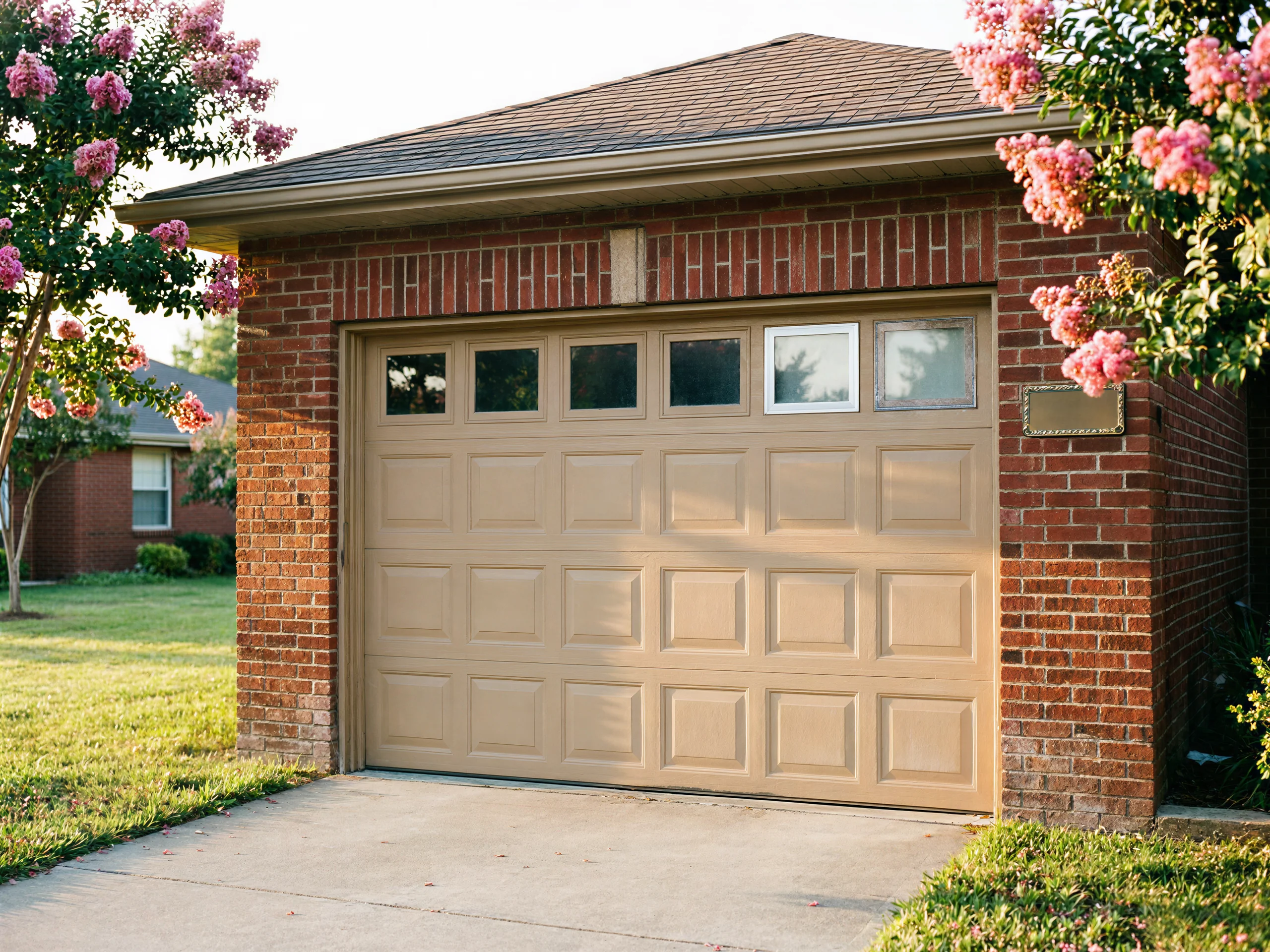
Jarrell sits apart from most of the service area on one number: the typical home here was built around 2018, while the broader Georgetown market spans 1957 to 2018 with a median closer to 1993.
Newer door visit differences
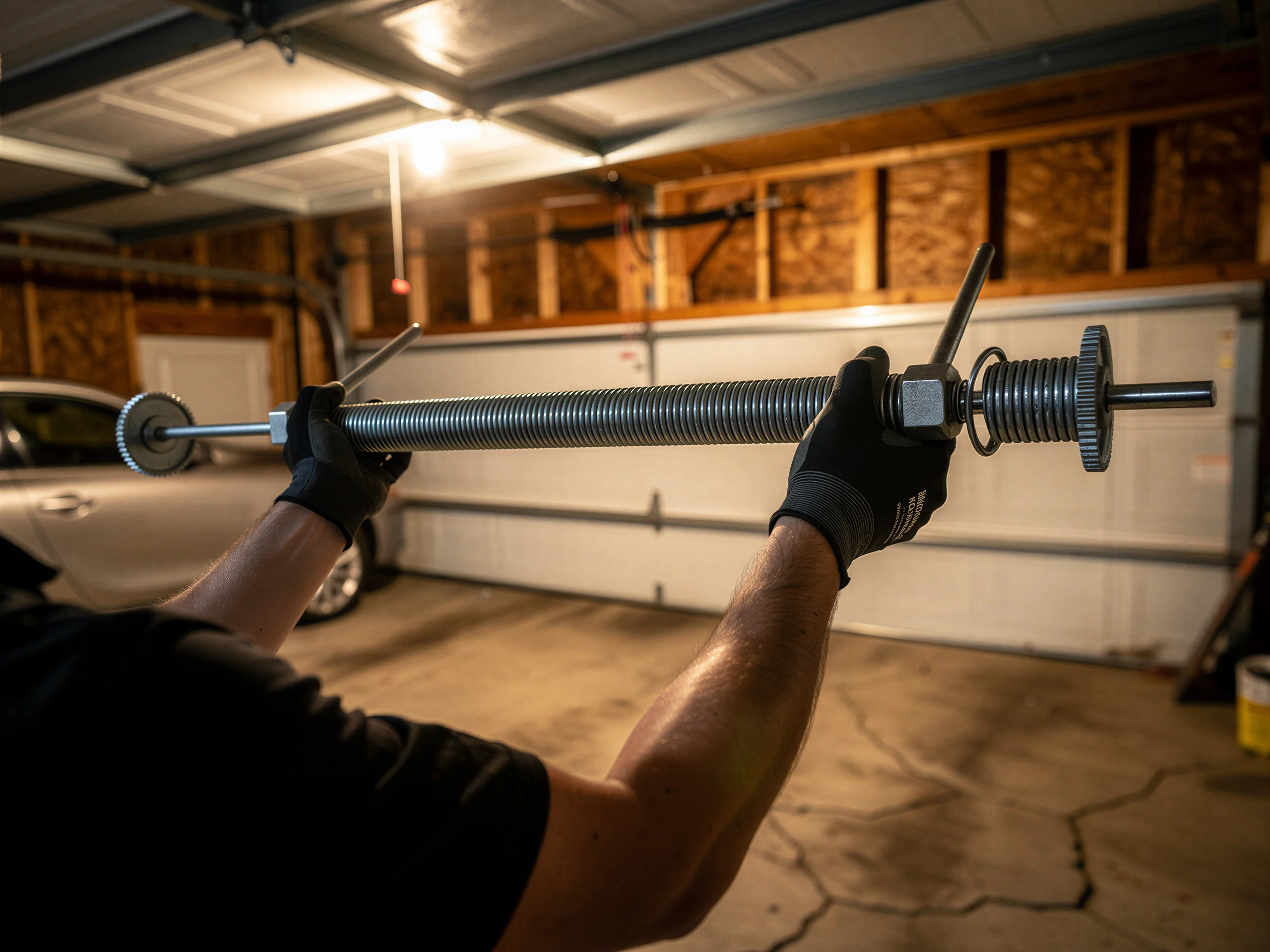
That matters because a maintenance visit on a 2018 door looks different from one on a 1990s door. You're not dealing with decades of paint buildup on an old torsion bar or a worn-out drum from thousands of cycles.
Routine inspection checklist
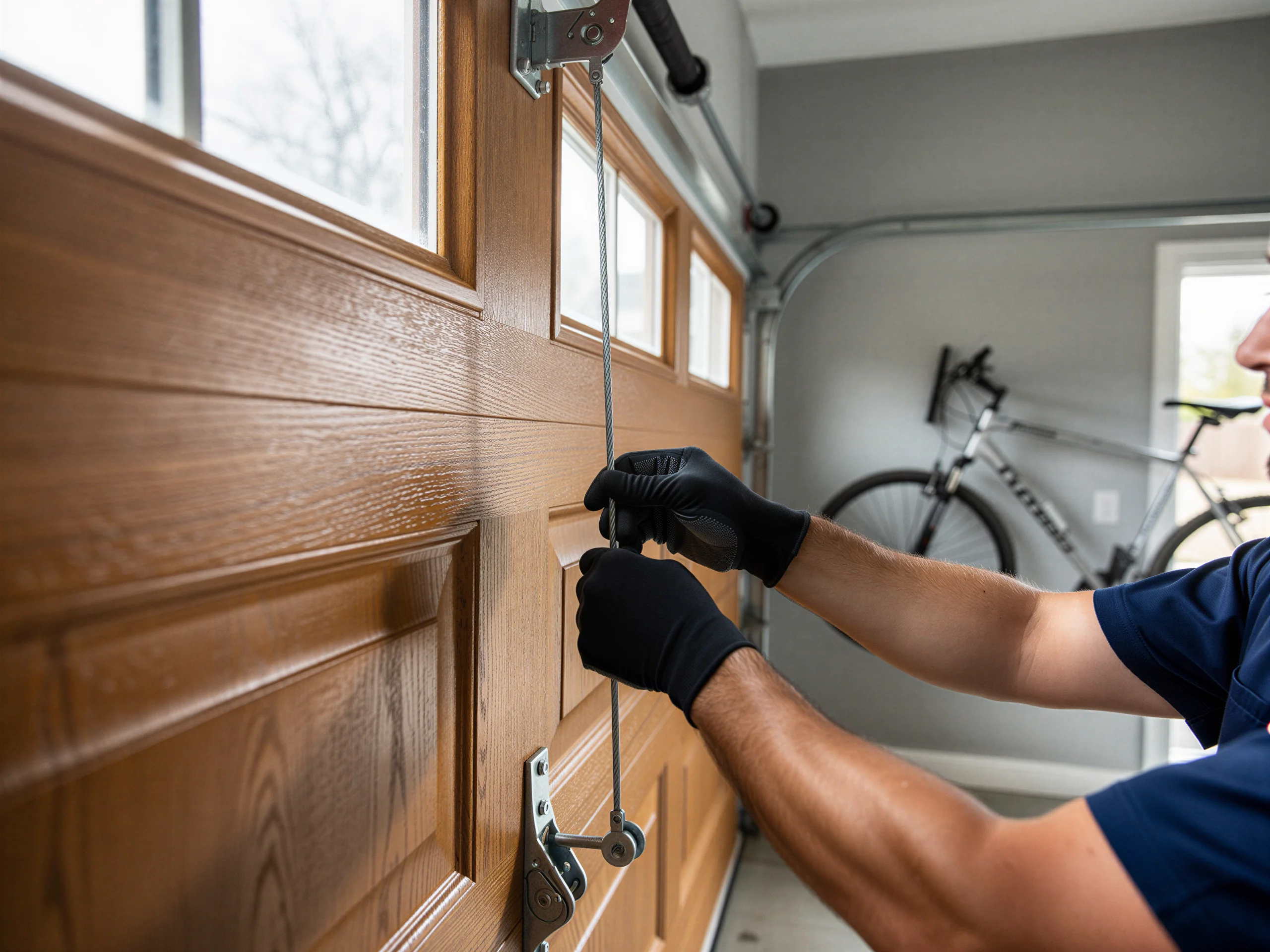
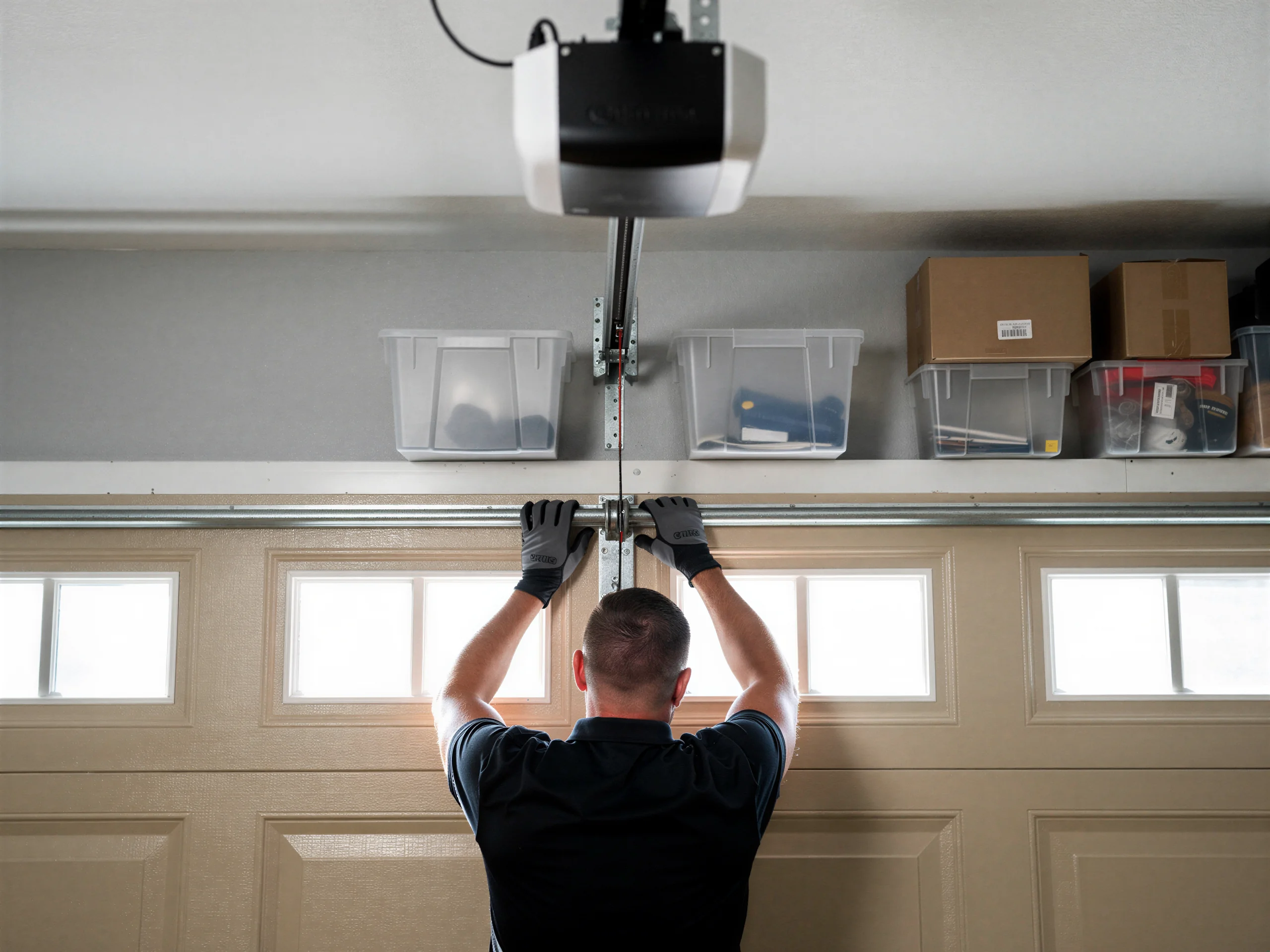
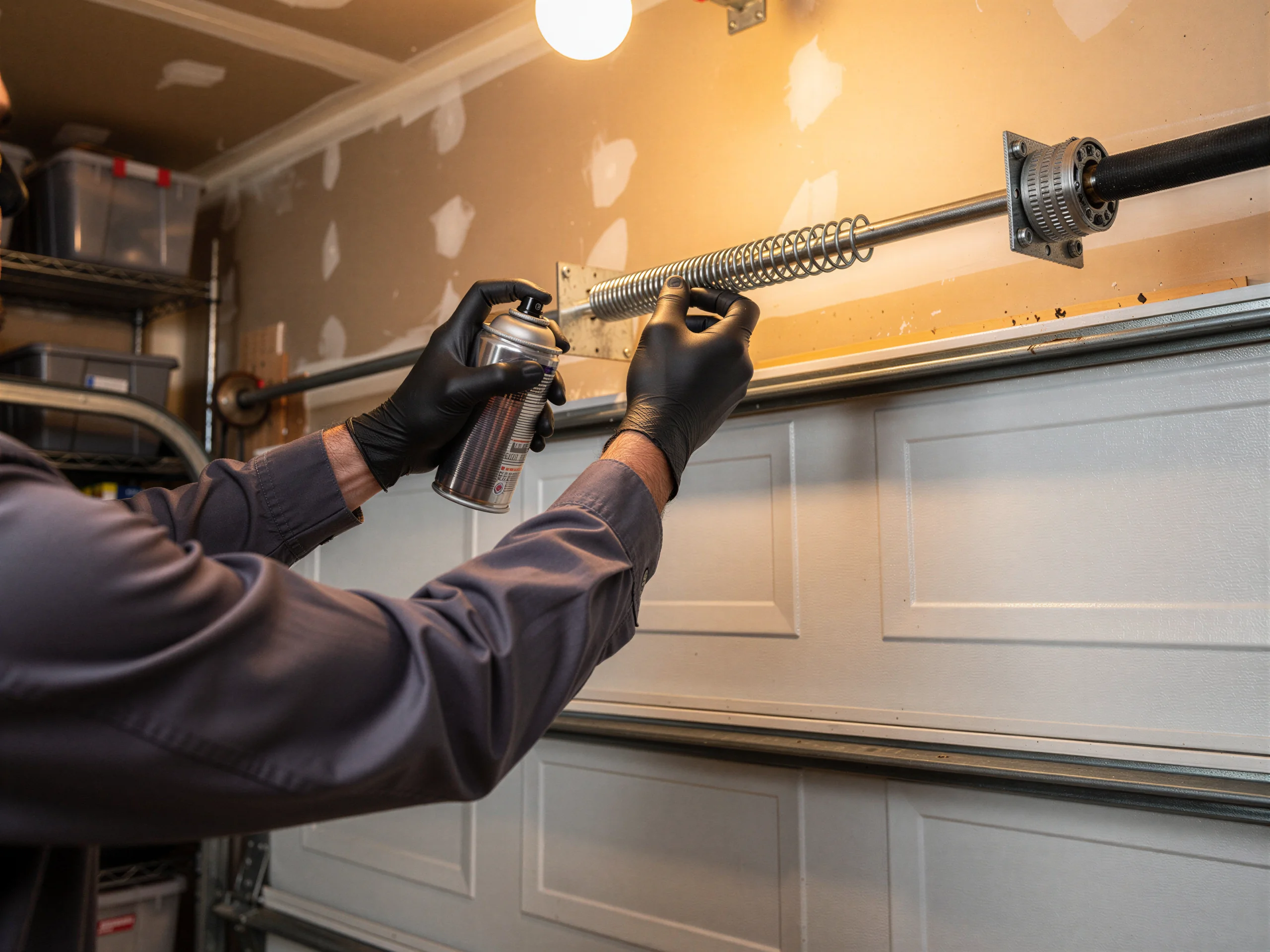
You're dealing with newer steel, newer rollers, and an opener that's likely still under its original motor life. A standard maintenance check on a Jarrell door - lubrication, spring tension check, track alignment, hardware torque, sensor alignment - usually runs quicker than on an older Georgetown-area house, simply because there's less deferred wear to find and correct.
Scheduled trip, not dispatch
The crew comes from Georgetown, about 11 miles out, so we schedule the trip rather than dispatch same-hour, but once on site the inspection itself doesn't take long on a door this age. What takes longer is catching the small stuff before it becomes a call for a broken spring - balance drift, a hinge starting to loosen, a sensor nudged out of alignment during move-in landscaping.
What You Pay
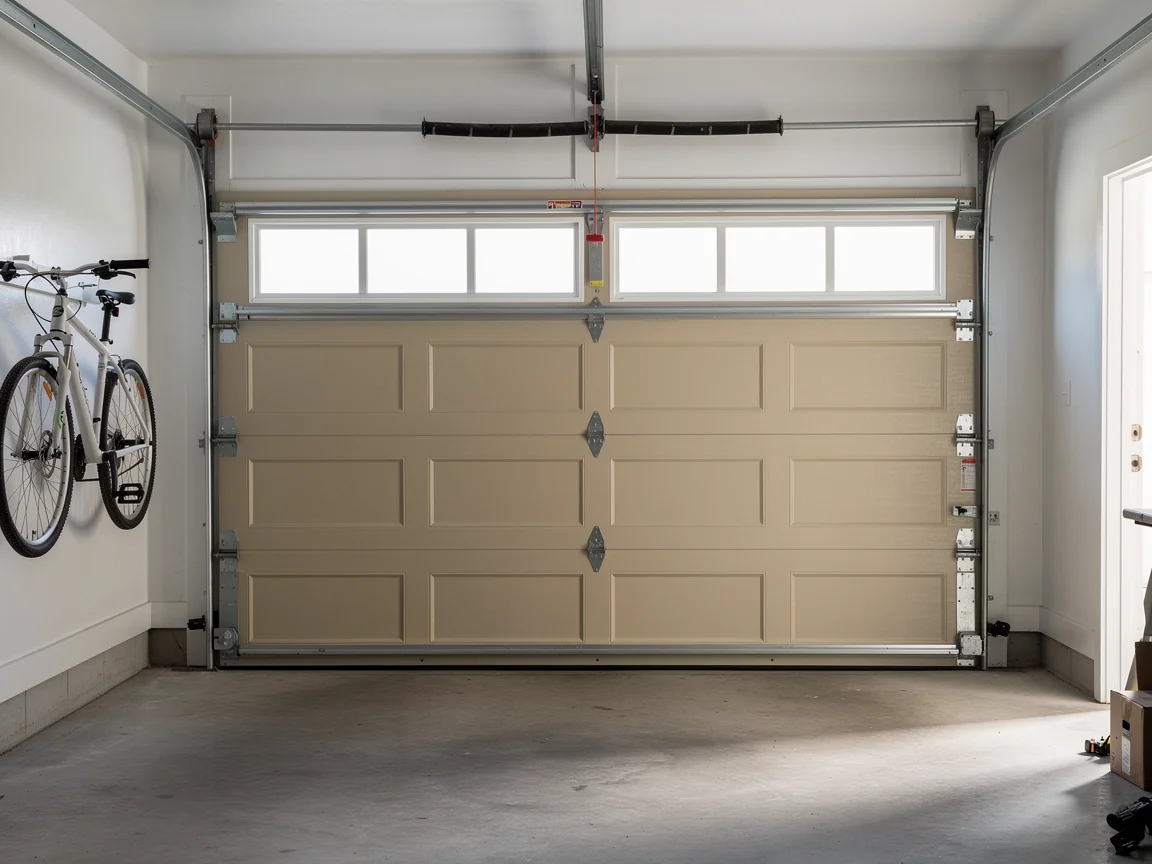
We don't have a published price list for this page, so we won't guess a number here. What we can tell you is that a maintenance visit on a newer Jarrell door tends to involve fewer worn parts needing replacement than an older door elsewhere in the service area, since most of what we're doing is inspection, lubrication, and adjustment rather than swapping cables or bearings. Income levels in the broader service area run above $99,000 median, and Jarrell itself runs higher still at roughly $101,653, which tends to track with newer-built homes that haven't yet needed major repair spending. That's a reasonable argument for scheduling routine maintenance now, while the fix is a ten-minute adjustment, rather than waiting for a part to fail outright on a door that's still under five years old.
What Can Go Wrong
A door built around 2018 doesn't fail the way a 1980s door does. You're less likely to see a rusted-through torsion spring or a drum that's cracked from age.
Dried factory lubrication
What we do find on newer Jarrell builds: factory lubrication that's dried out faster than expected in a mild Texas winter-to-summer swing, photo-eye sensors knocked out of alignment during yard work or a parked trailer, and opener logic boards that haven't been updated since installation.
Factory default tension
New construction crews sometimes set spring tension to a factory default rather than tuning it to the actual door weight, so a door can feel heavy or close unevenly within the first couple of years even though nothing's broken yet.
Under-torqued lag fasteners
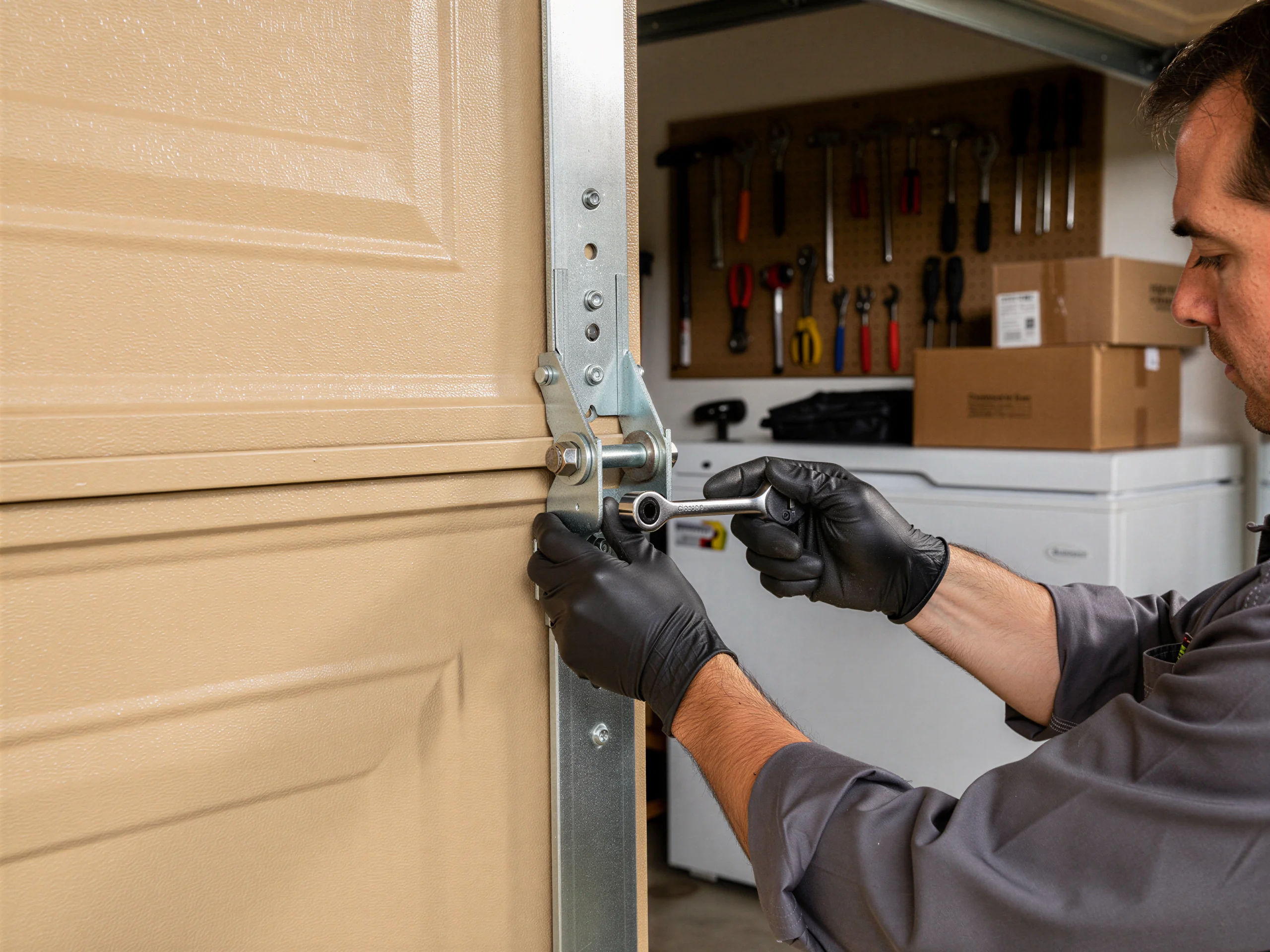
We also see loose mounting hardware - lag bolts and lag screws that were never torqued down fully at build-out. None of this is dramatic, but left alone it turns into a spring failure or a cable snap faster than it would on a door that's been dialed in properly from day one.
Parts We Carry
For a door this age, the truck is stocked with what actually gets used: rollers, hinges, cable, standard torsion springs sized for residential doors, and photo-eye sensor kits. What we're not carrying for a Jarrell maintenance call is the odd-size hardware that older torsion systems sometimes need - side-mounted drums, discontinued spring wind patterns, that kind of thing. If a part turns out to be proprietary to a specific builder's opener setup, that can mean a short wait while we order it rather than a same-visit fix. That's the one limitation worth saying plainly: newer doesn't always mean simpler, and a builder-grade opener sometimes uses parts that aren't the ones we keep on the shelf. We'll tell you up front if that's the case rather than installing something that's close enough.
Talk to a local pro
Garage door service in Georgetown?
Same-day service with honest, upfront quotes.