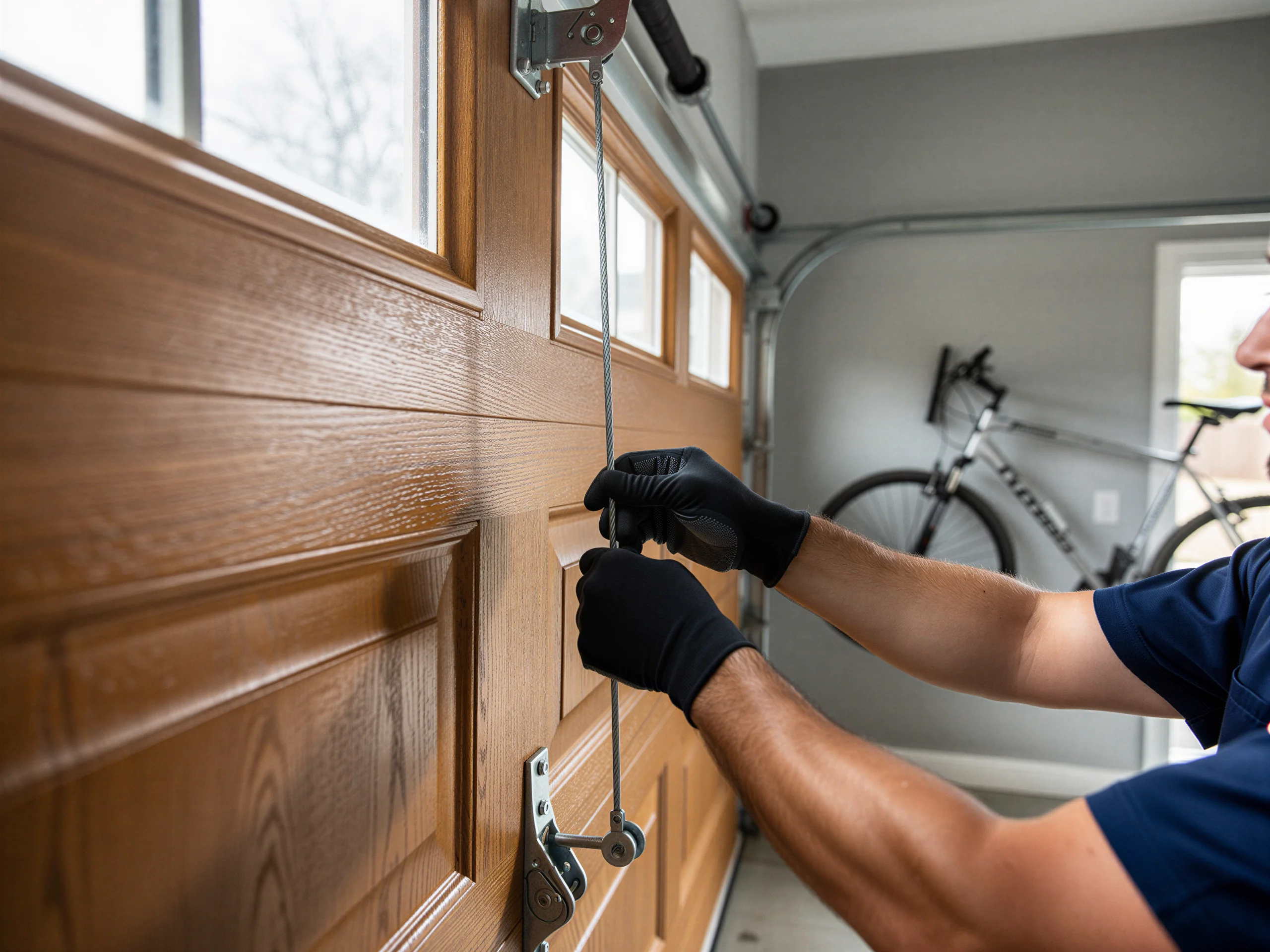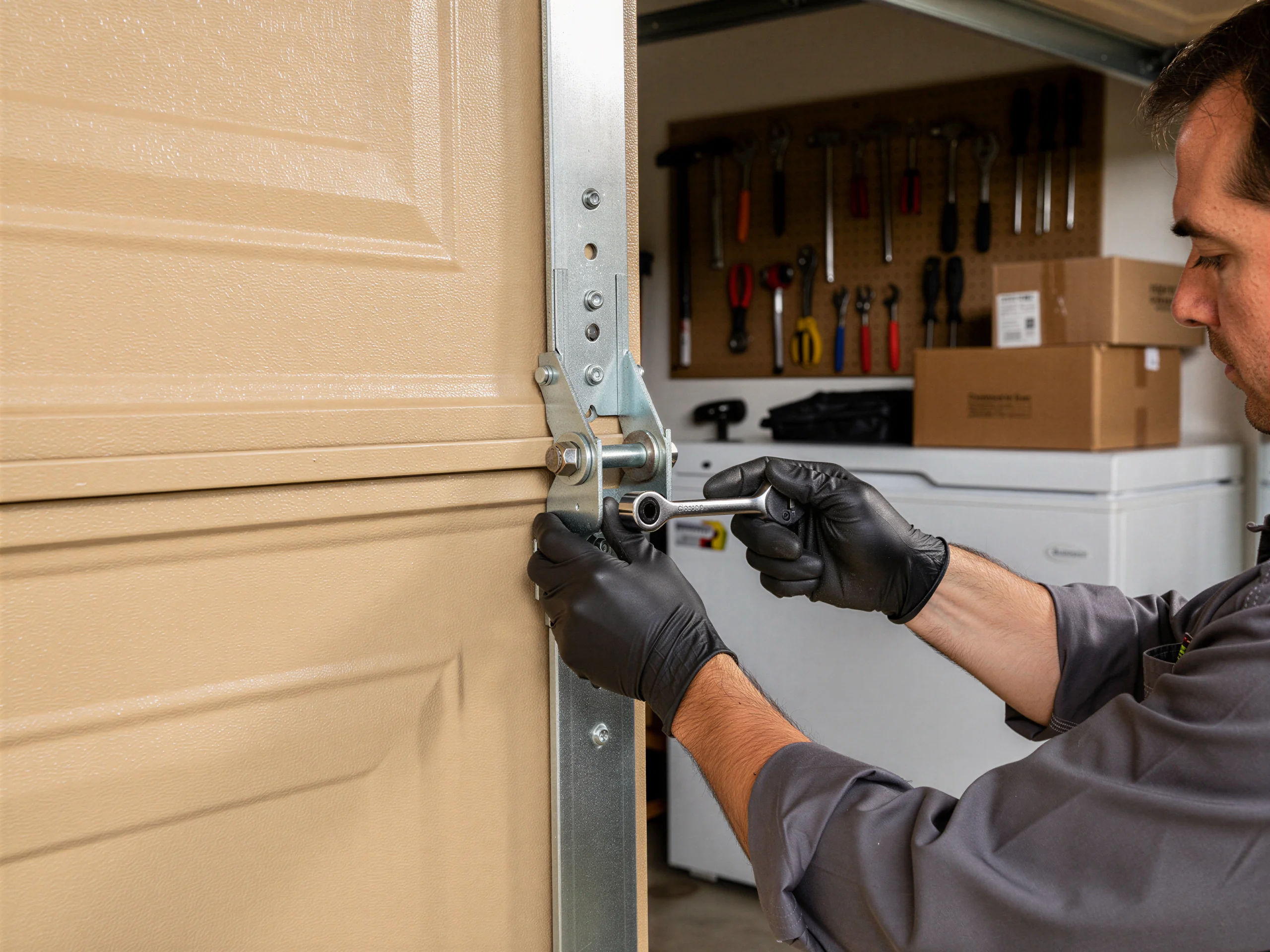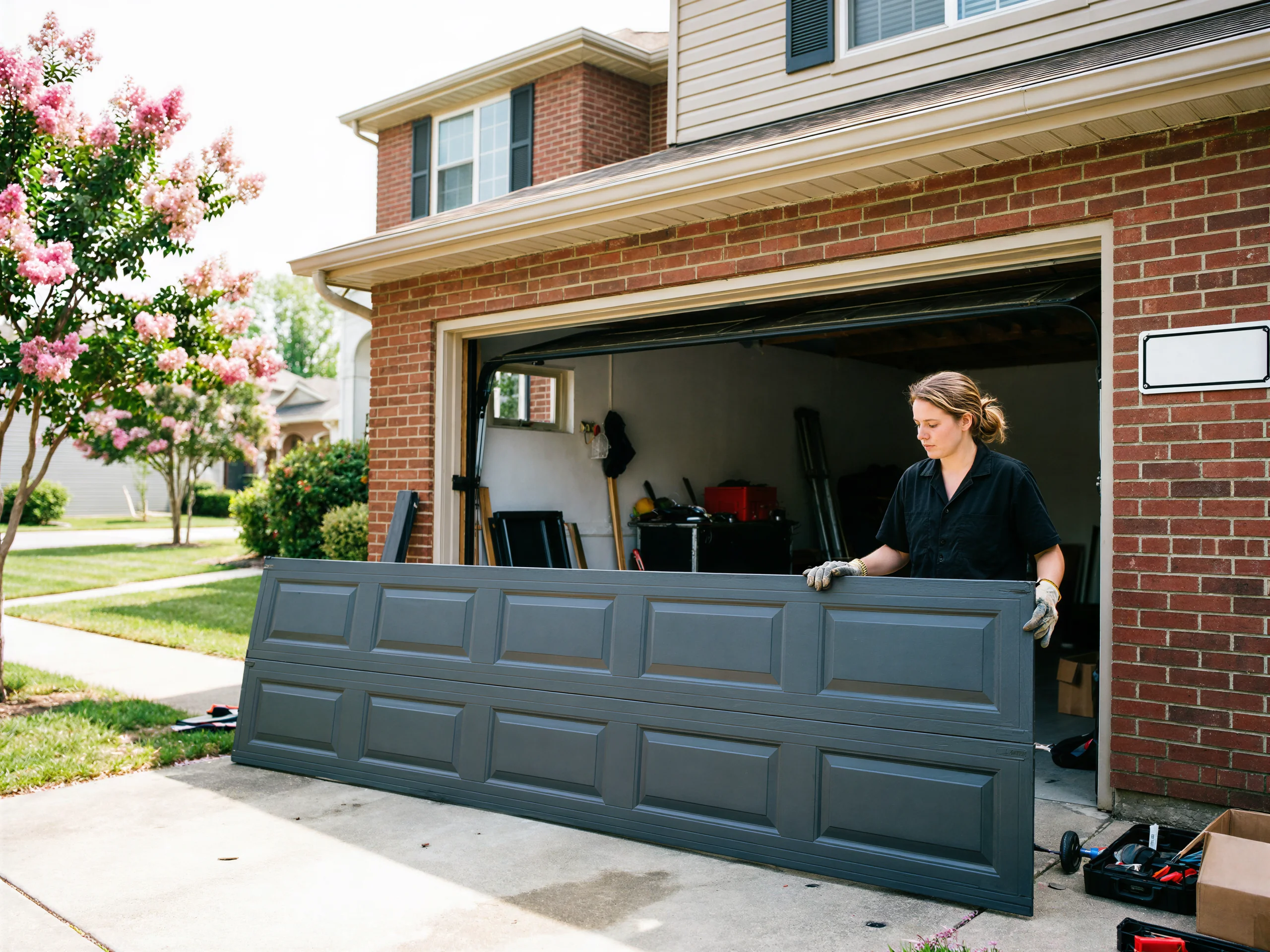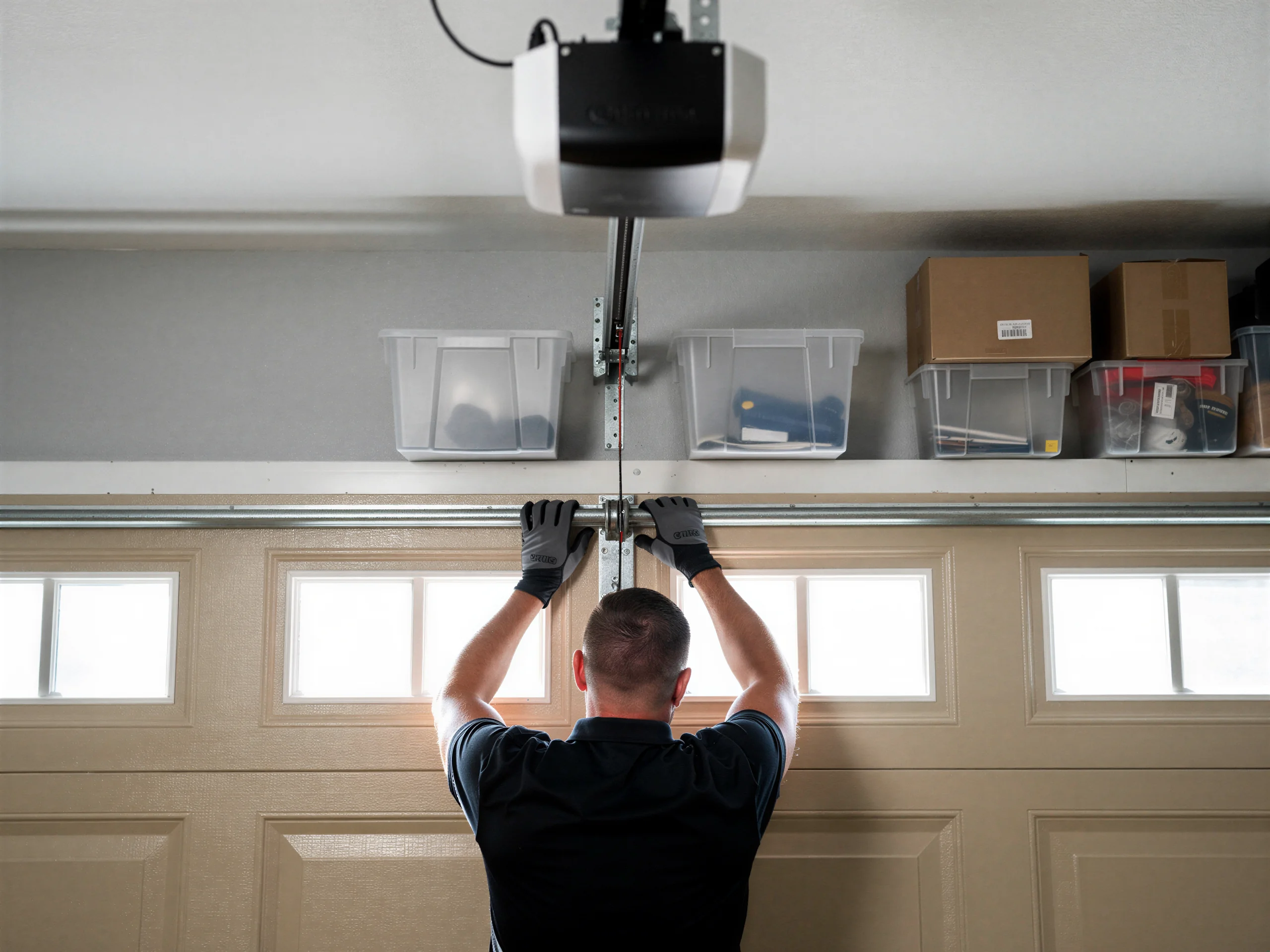
The Symptom
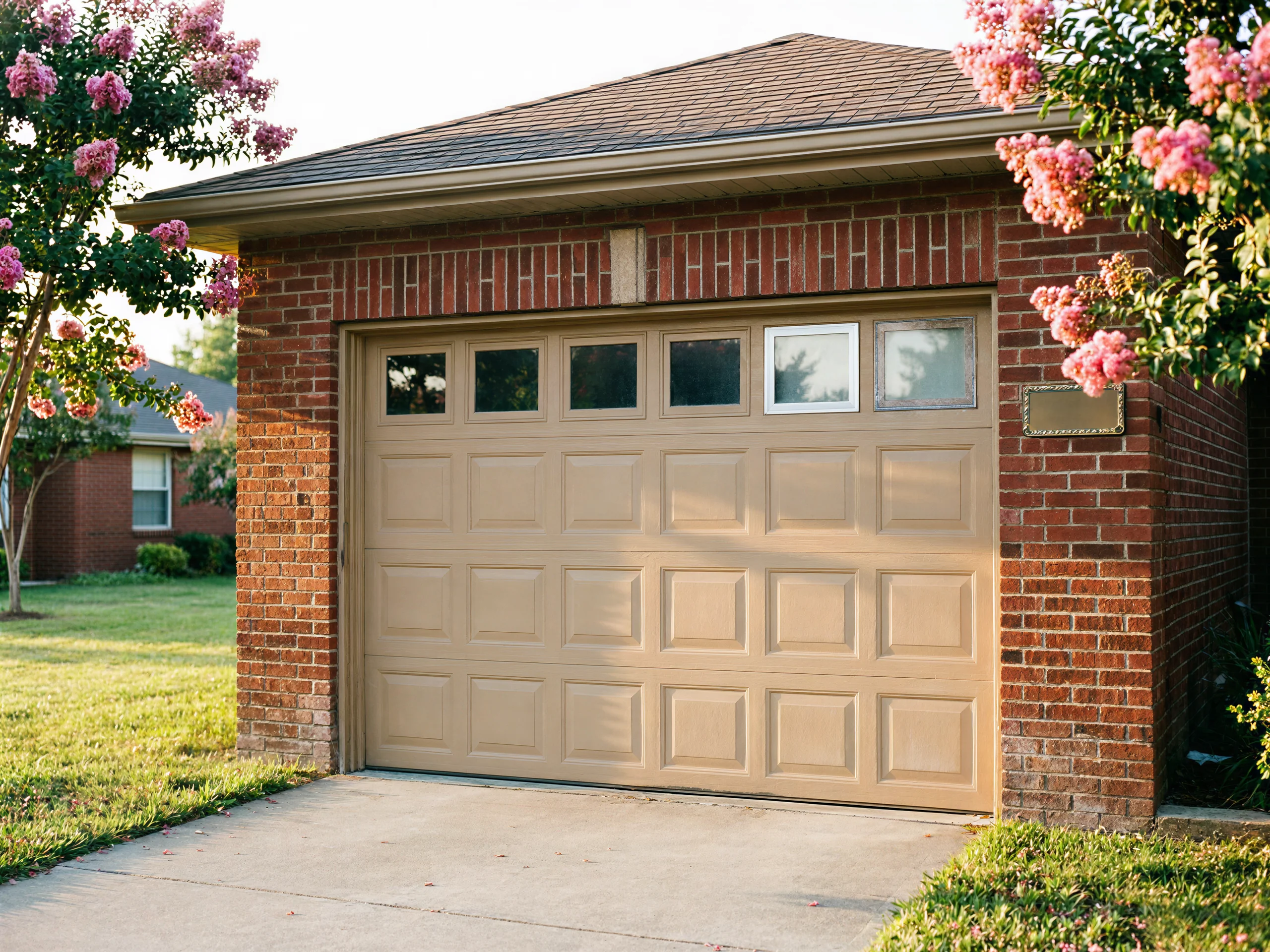
If your house in Florence was built anywhere near 1975 - and a lot of them were - there's a real chance nobody has ever touched the torsion spring or the opener motor since the day the door went up.
Noise building gradually
That's close to fifty years on the same hardware. The symptom that brings us out here is usually not sudden. It's a door that's gotten louder over the past year, or one that used to close on the first try and now needs a second push on the remote.
Loud spring failures
Sometimes it's a spring that finally lets go with a bang loud enough that a neighbor calls to ask if you're okay. With 423 households spread around Florence, we hear a wide range of these calls, but the pattern is consistent: original hardware from a build era that predates almost every safety feature on a modern door.
Missing safety backups
No electronic force sensors, no auto-reverse that actually works reliably, sometimes no second cable to catch a broken spring before the door drops. That last part matters more than most people realize until they ask about it.
How Long It Takes
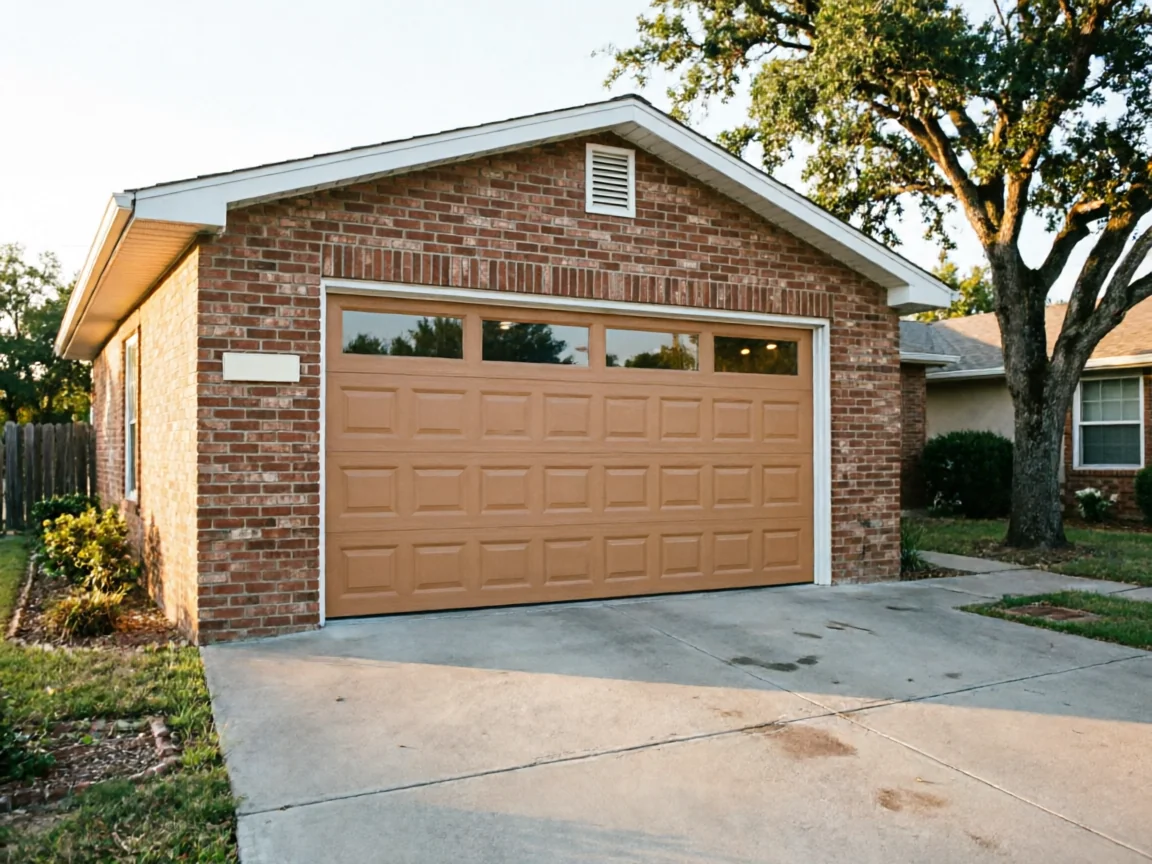
We're not based in Florence - we run out of Georgetown, about 13 miles away. For most spring replacements and opener swaps, that drive adds maybe 15-20 minutes to the visit compared to a job closer to our shop, and the repair itself usually runs the same hour or two once we're on site, depending on what we find once the door's open. If parts for an older torsion setup need to be sourced rather than pulled off the truck, that can push a job into a second visit. We'd rather tell you that up front than promise same-day on hardware from 1975 that nobody stocks on the shelf anymore.
The DIY Question
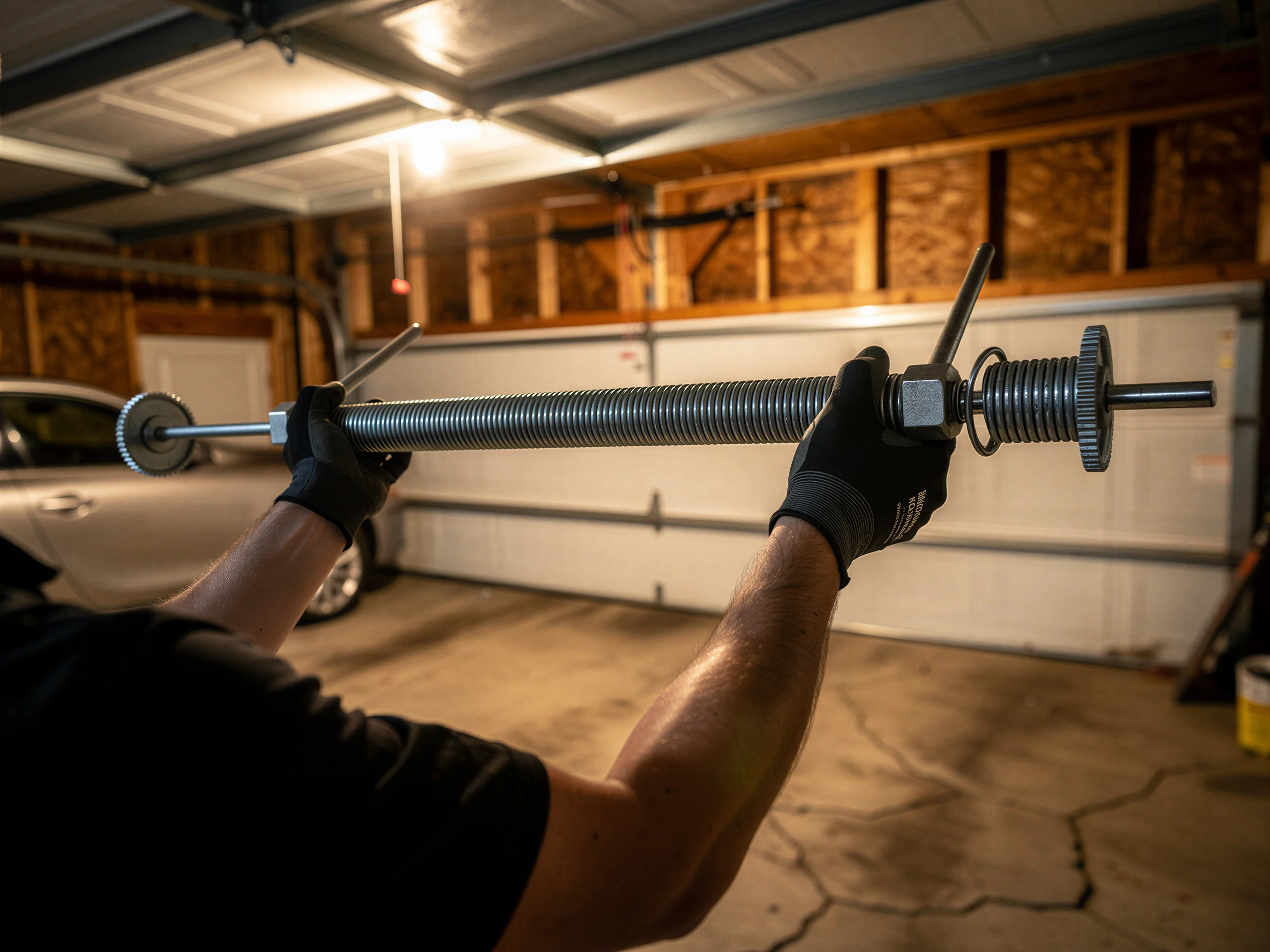
A torsion spring under load can put someone in the hospital, and that risk doesn't go down because the door is old - if anything it goes up, since decades-old springs can be rusted, mismatched, or wound under more tension than a newer coil.
Remote battery, hinge lubrication
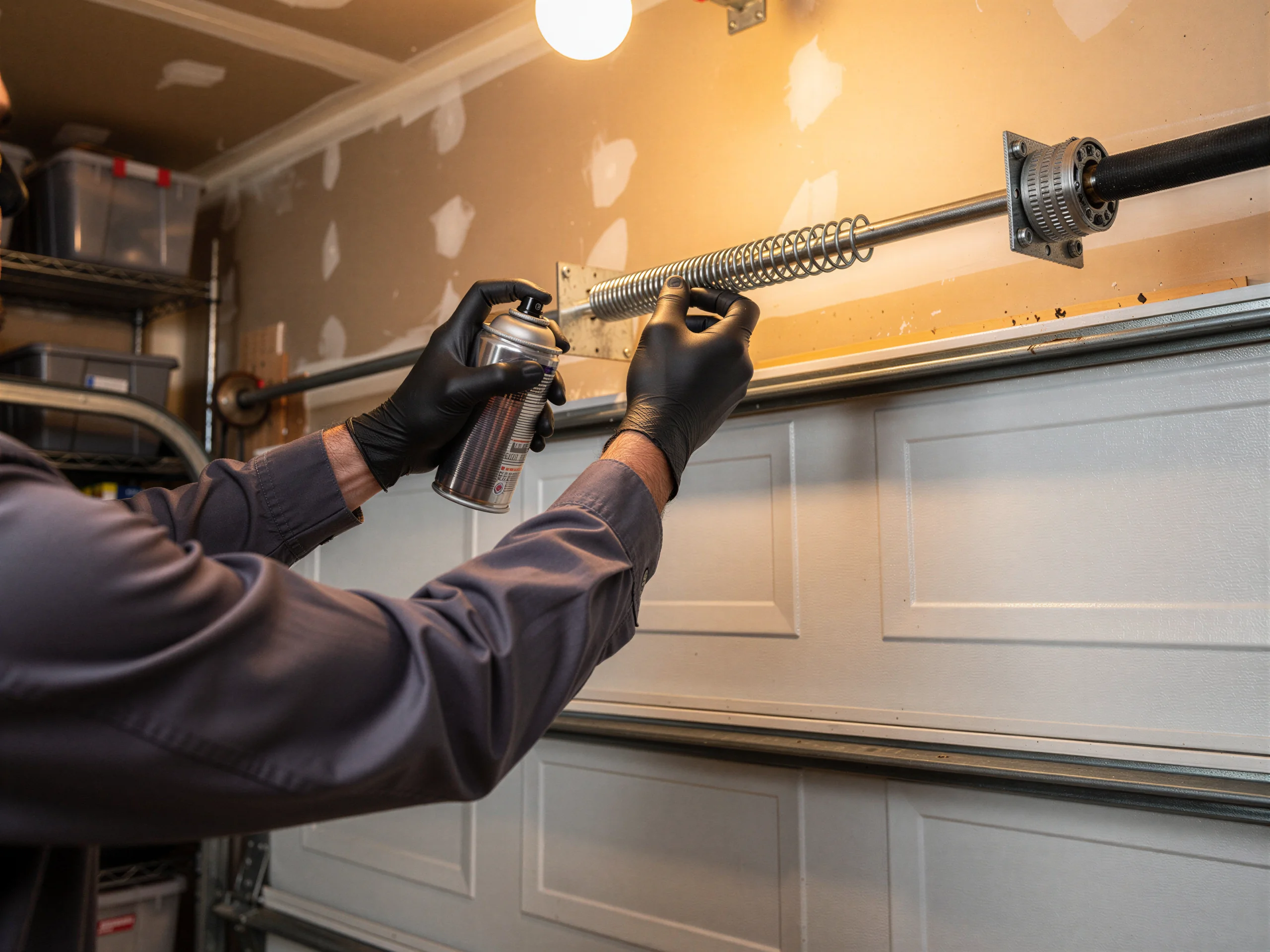
Where DIY makes sense in Florence: swapping a remote battery, lubricating hinges and rollers, tightening a loose bracket you can reach with the door down and the opener unplugged. Where it doesn't: anything involving the spring, the cable, or the opener's force settings.
Hand tool limitations
On a house this age, a lot of that hardware was never designed to be serviced by hand tools alone - it was installed once and left alone, which is exactly why it needs a professional look now rather than a wrench.
What Can Go Wrong
On houses from the mid-1970s era that's common across Florence, the failure points we see most are the torsion spring losing tension unevenly (one side goes before the other, which racks the door), the original steel rollers wearing their tracks into a wave pattern that makes the door bind, and openers from a later retrofit that were never properly matched to the door's actual weight. We also see galvanized hardware that's held up fine mechanically but is seized with decades of dust and spider webs in a way that makes the door feel heavier than it is. None of that is dramatic until the day the spring snaps or a cable frays through, which is usually when the call comes in.
What You Pay
We don't have a Florence-specific price list to hand you here, and we're not going to invent one.
Pricing by failed part
What we can tell you is that pricing for a repair depends on what's actually failing - a spring job, a roller replacement, and a full opener swap are three different price points, and on original 1975-era hardware we sometimes need to quote once we've seen the actual spring size and door weight rather than over the phone.
Uniform zip code pricing
Median household income in the Florence area runs lower than some of the suburbs closer to Georgetown, and we price the same regardless of zip code - the job determines the cost, not the address.
How We Fix It
We start by opening the door manually and checking the balance - on a door this old, that single test tells us most of what we need to know. If the spring is original, we replace it with a correctly sized modern one rather than patching around it, because mismatched tension on half-century-old hardware is how the next failure happens. Rollers get swapped for nylon if the tracks show wear, and if the opener predates force-sensing safety features, we talk through whether a repair or a replacement makes more sense given what's left to fail on the rest of the door. We carry common spring sizes and roller stock on the truck for the drive out from Georgetown; anything unusual on an older setup may mean a return trip once we've confirmed the part.
Talk to a local pro
Garage door service in Georgetown?
Same-day service with honest, upfront quotes.