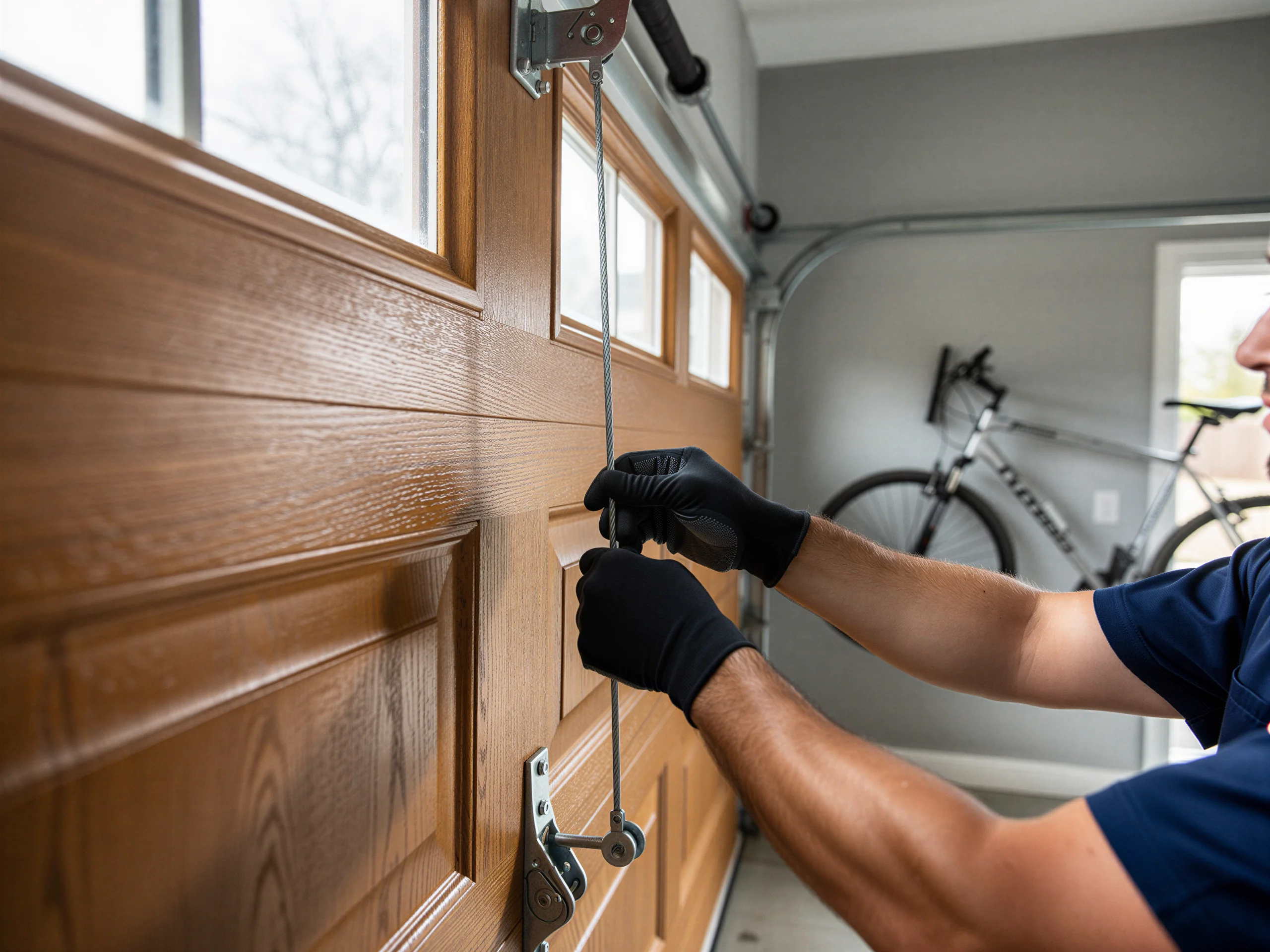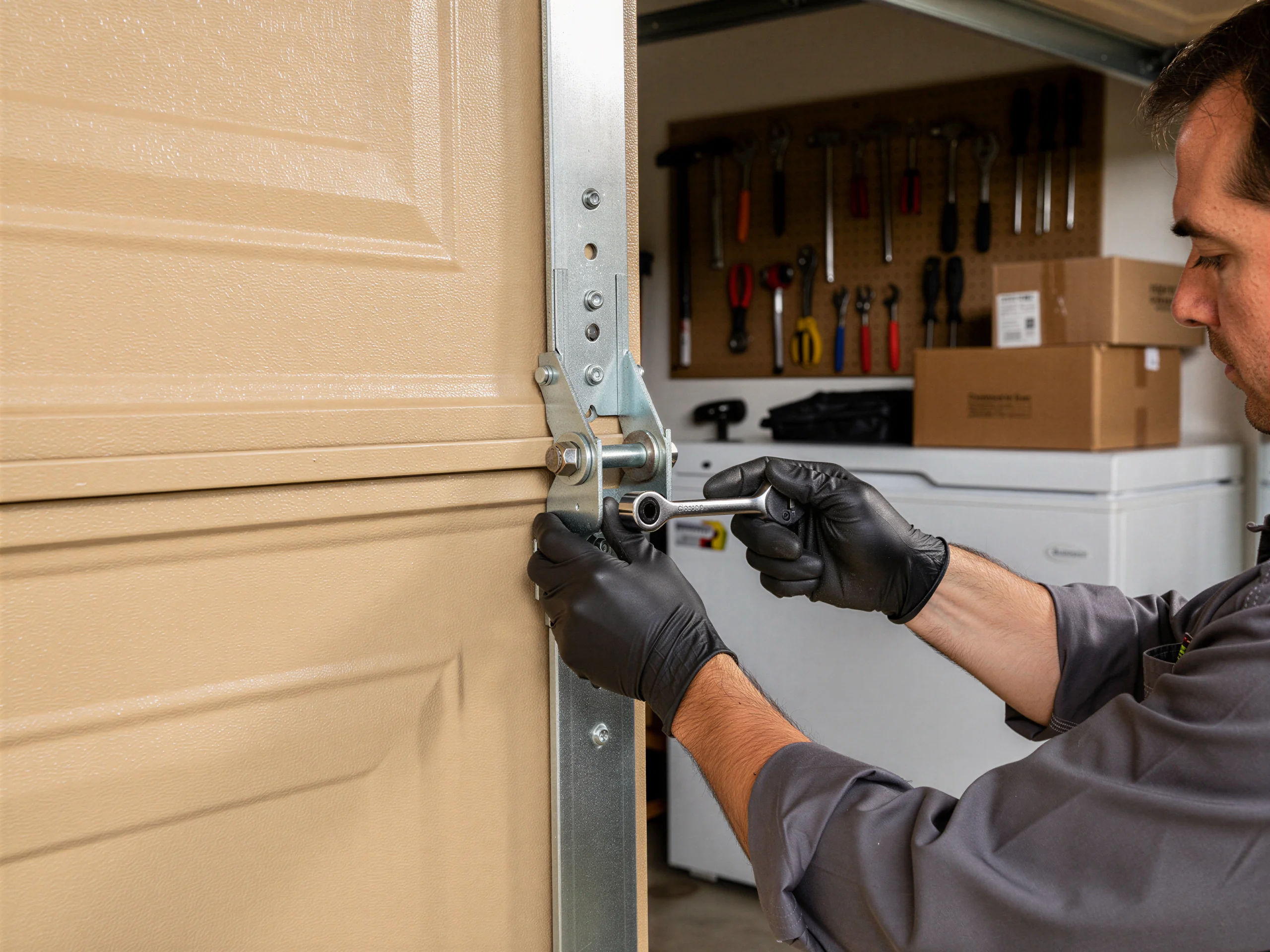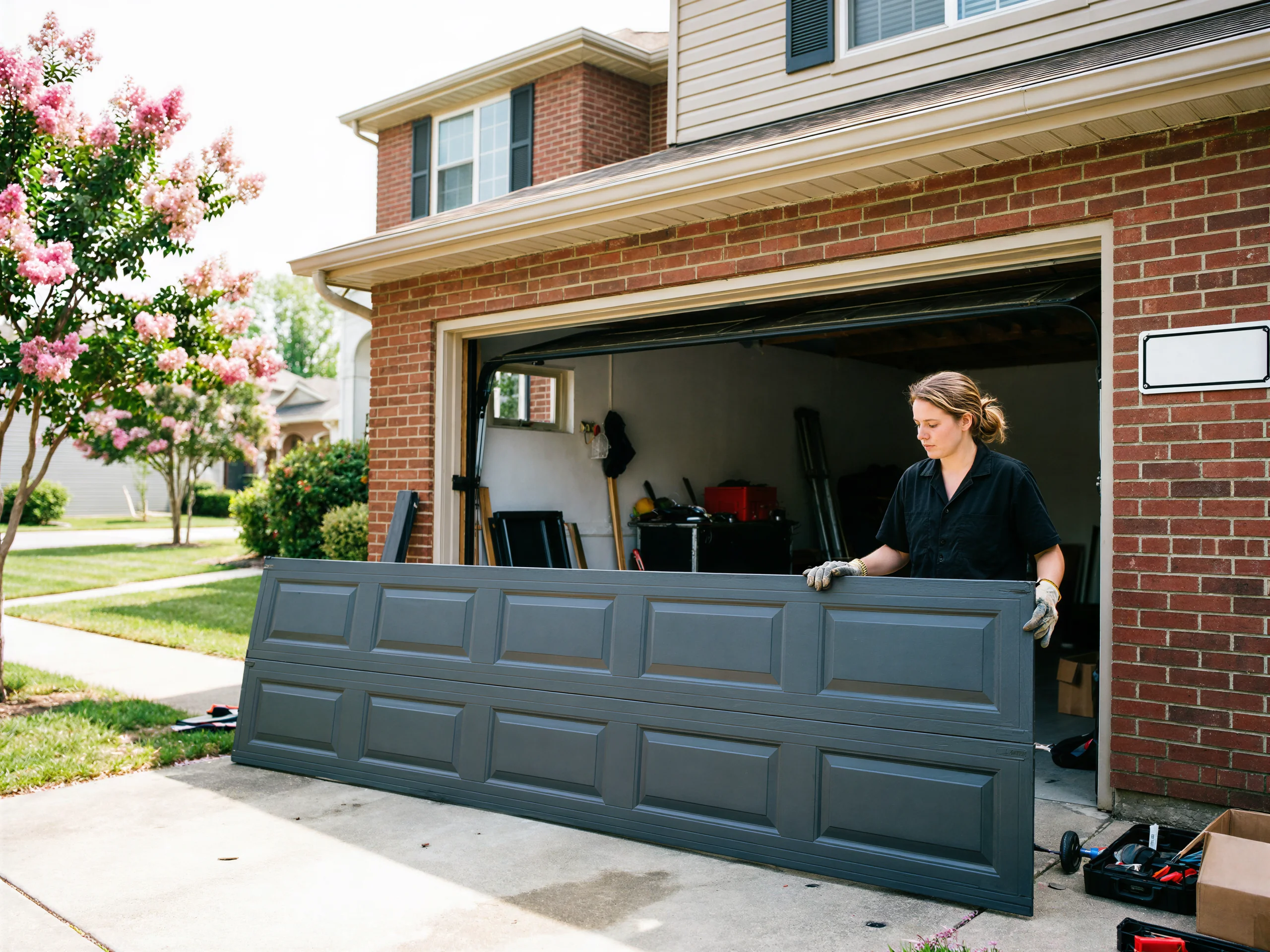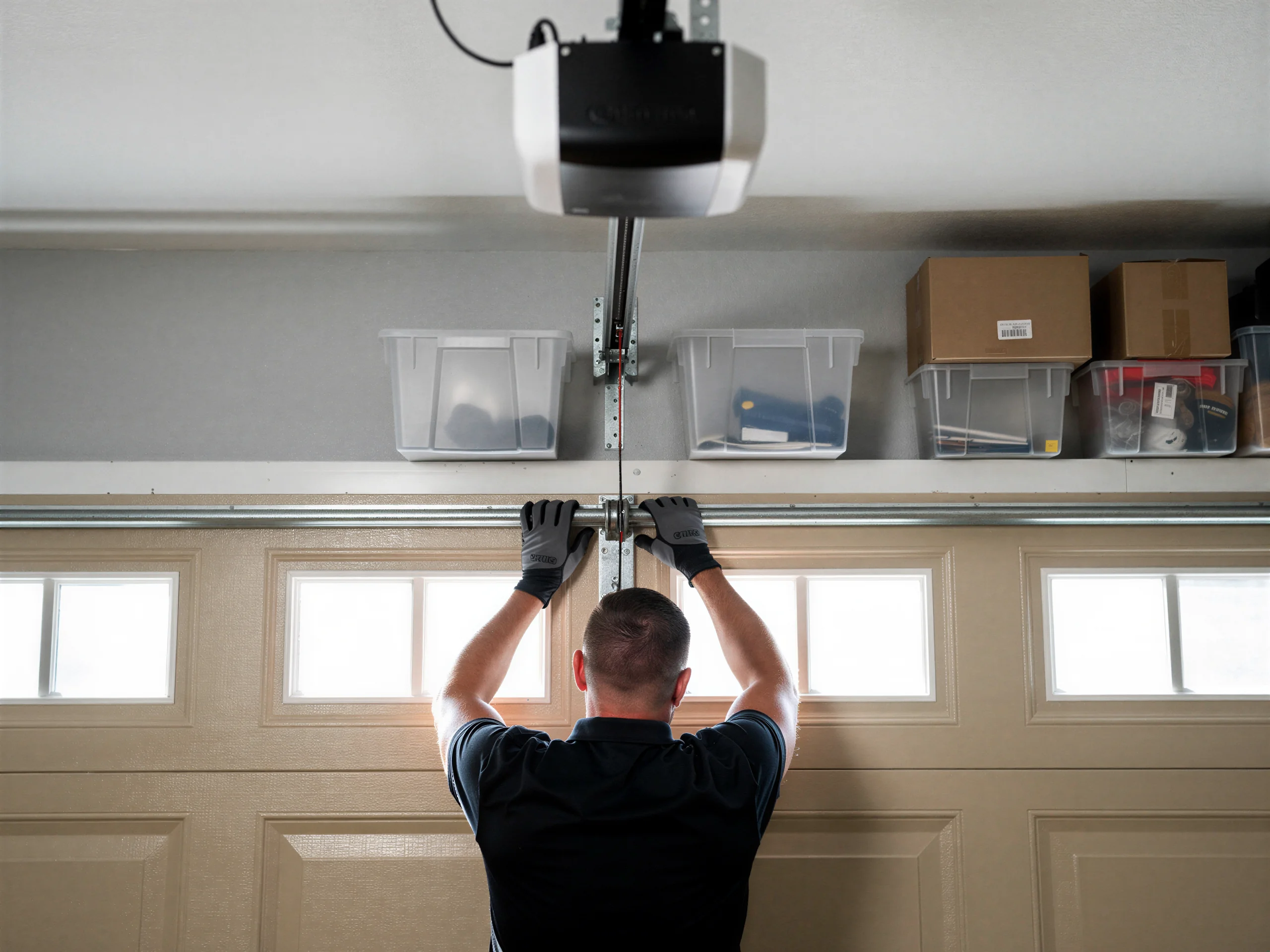
The Symptom
Florence sits about 13 miles out from our Georgetown shop, which changes how a maintenance call here actually goes. We're not driving past your house twice a week the way we might in a denser part of the service area - when we come out, we come out to do the whole job right, because a callback for something we should've caught the first time costs you another wait on that same drive.
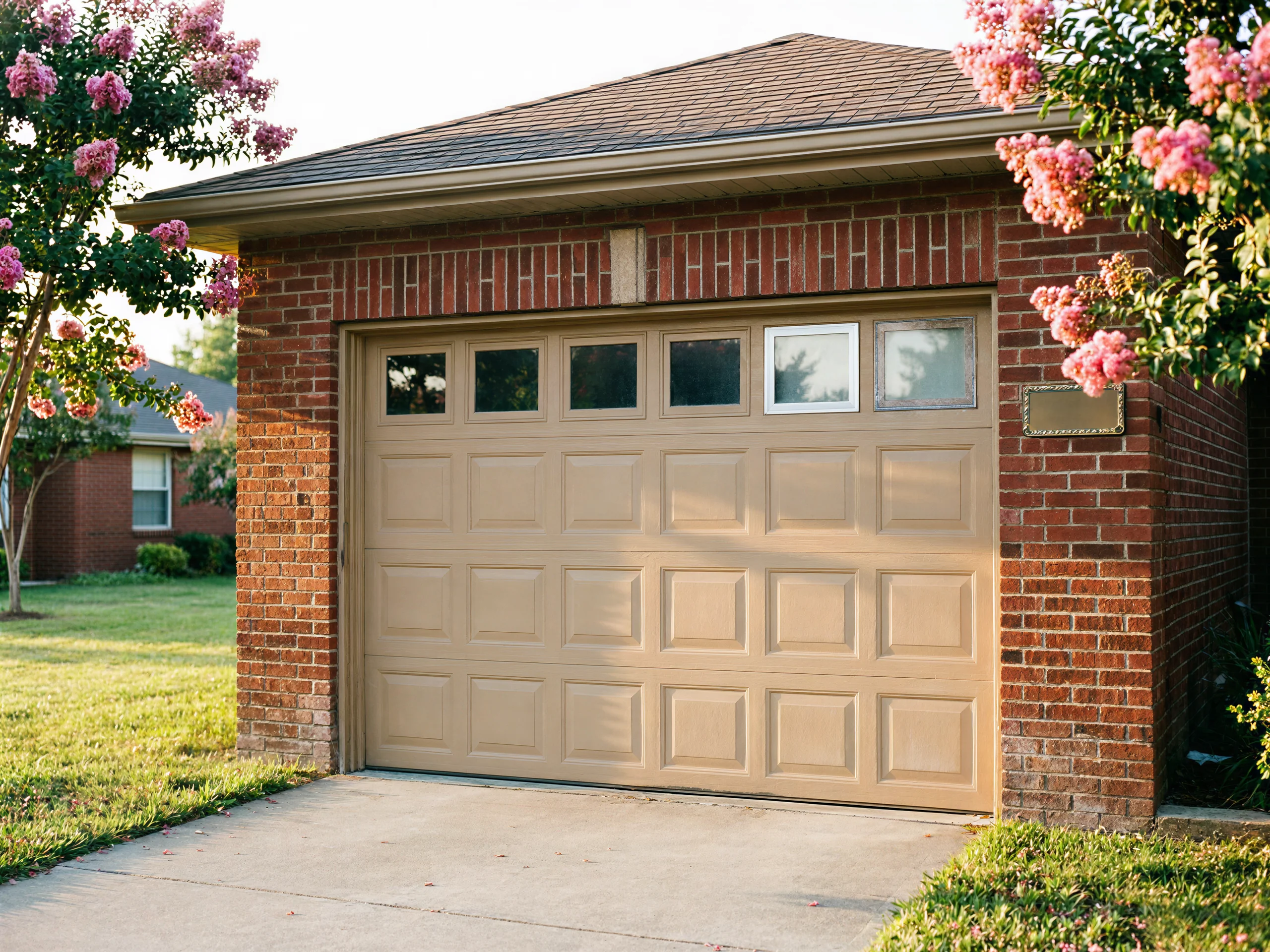
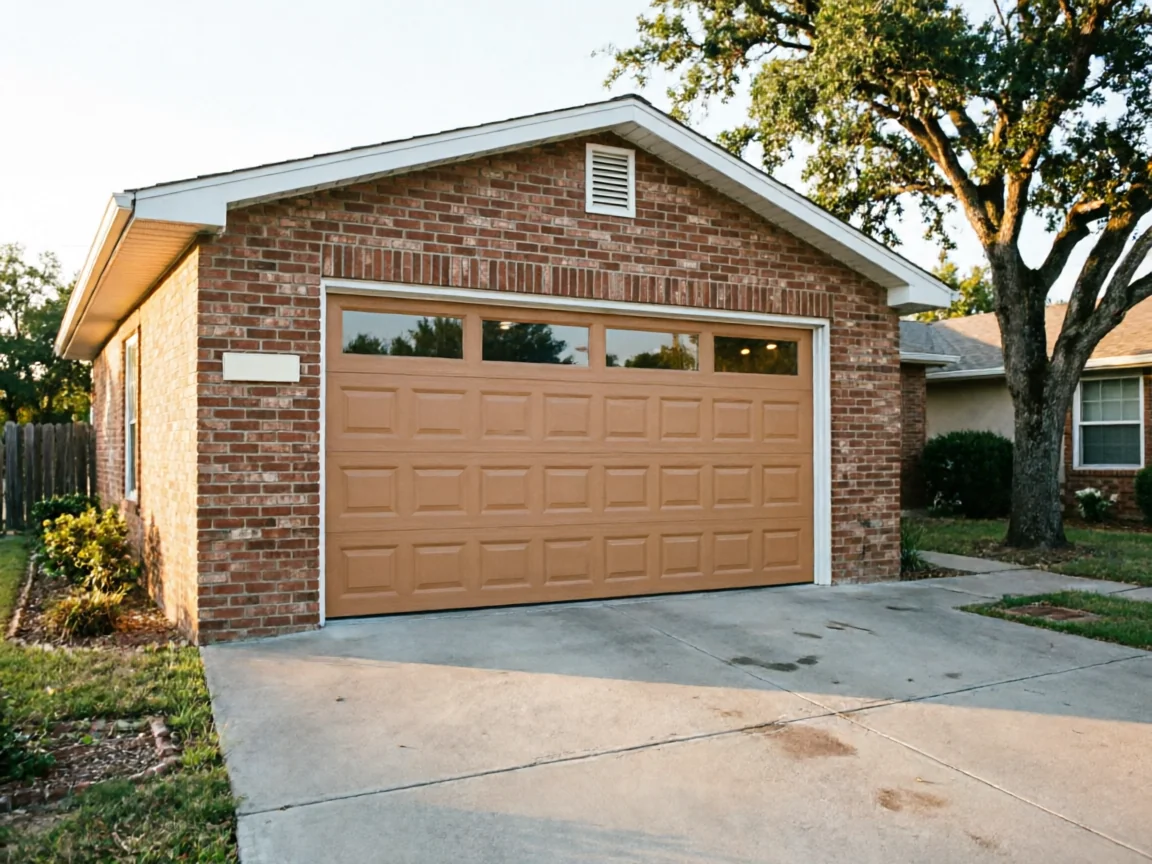
What we're usually catching in Florence is different from what we see on newer streets closer to Georgetown. A lot of houses out here date to around 1975, which means original hardware or at least one prior replacement cycle on tracks and springs that were never rated for the cycle counts they've put in since. The symptom is rarely dramatic. It's a door that grinds a little going up, a remote that needs three presses instead of one, an opener that strains on the last foot of travel. None of that is an emergency. All of it is cheaper to fix during a maintenance visit than after it becomes one.
How Long It Takes
A standard maintenance visit on one door runs a predictable set of checks - track alignment, spring tension, roller condition, cable wear, hardware torque, opener force settings and the sensor beam.
Confirmation versus adjustment visits
On a door with newer hardware that's mostly a confirmation pass. On a lot of the Florence stock, where original parts have been in service since the mid-1970s, we're more often making small adjustments at each step rather than just checking a box, which adds time but it's time spent on the actual problem.
Visit length by condition
We size the visit to the door in front of us, not to a fixed slot, because a door that's never been serviced takes longer than one we looked at last year.
Schedule-based arrival
What we won't do is promise a same-day slot or a fixed response window for Florence specifically - we're working out of Georgetown, and the honest answer is we schedule the drive, we don't guess at it.
The DIY Question
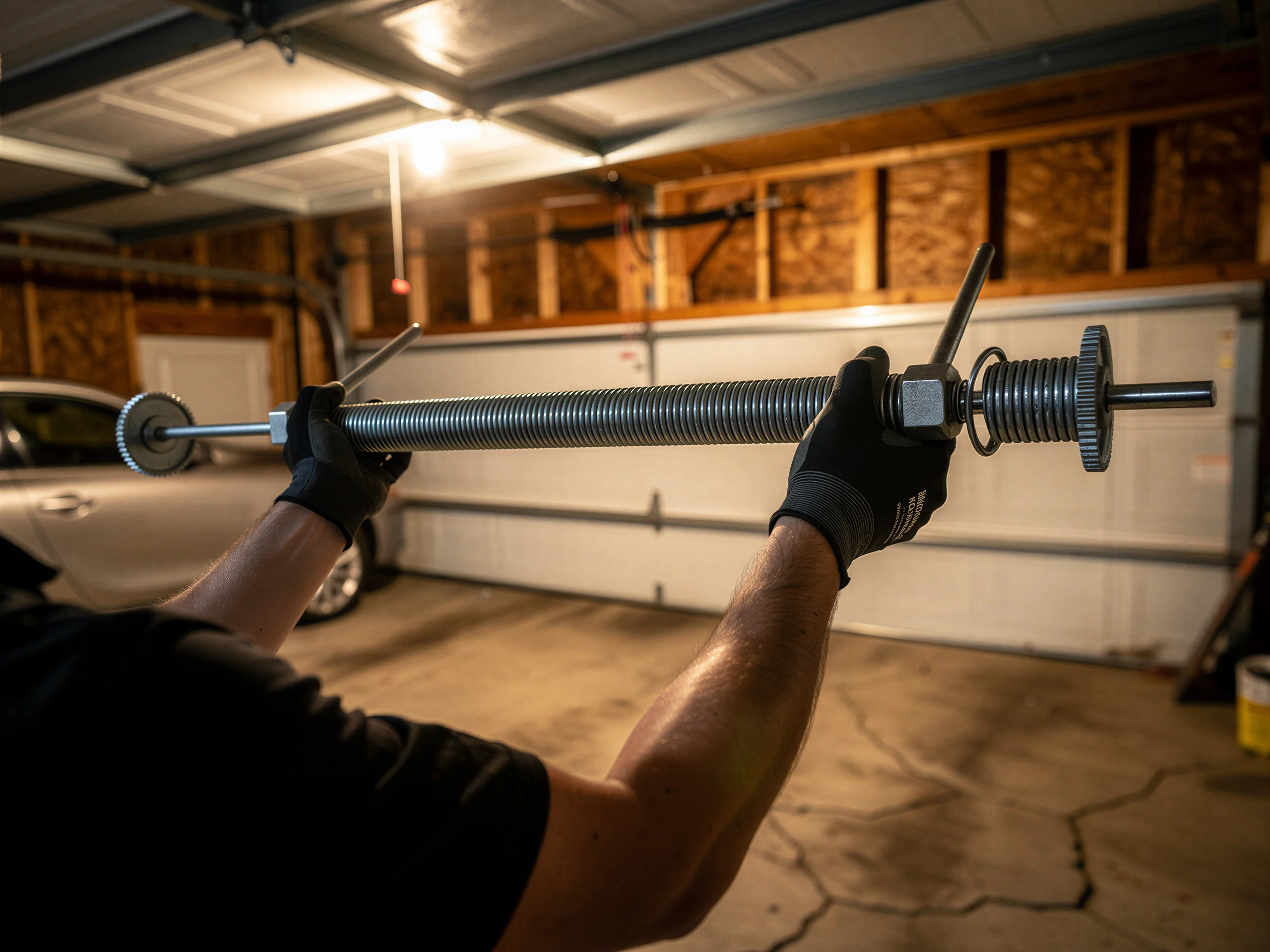
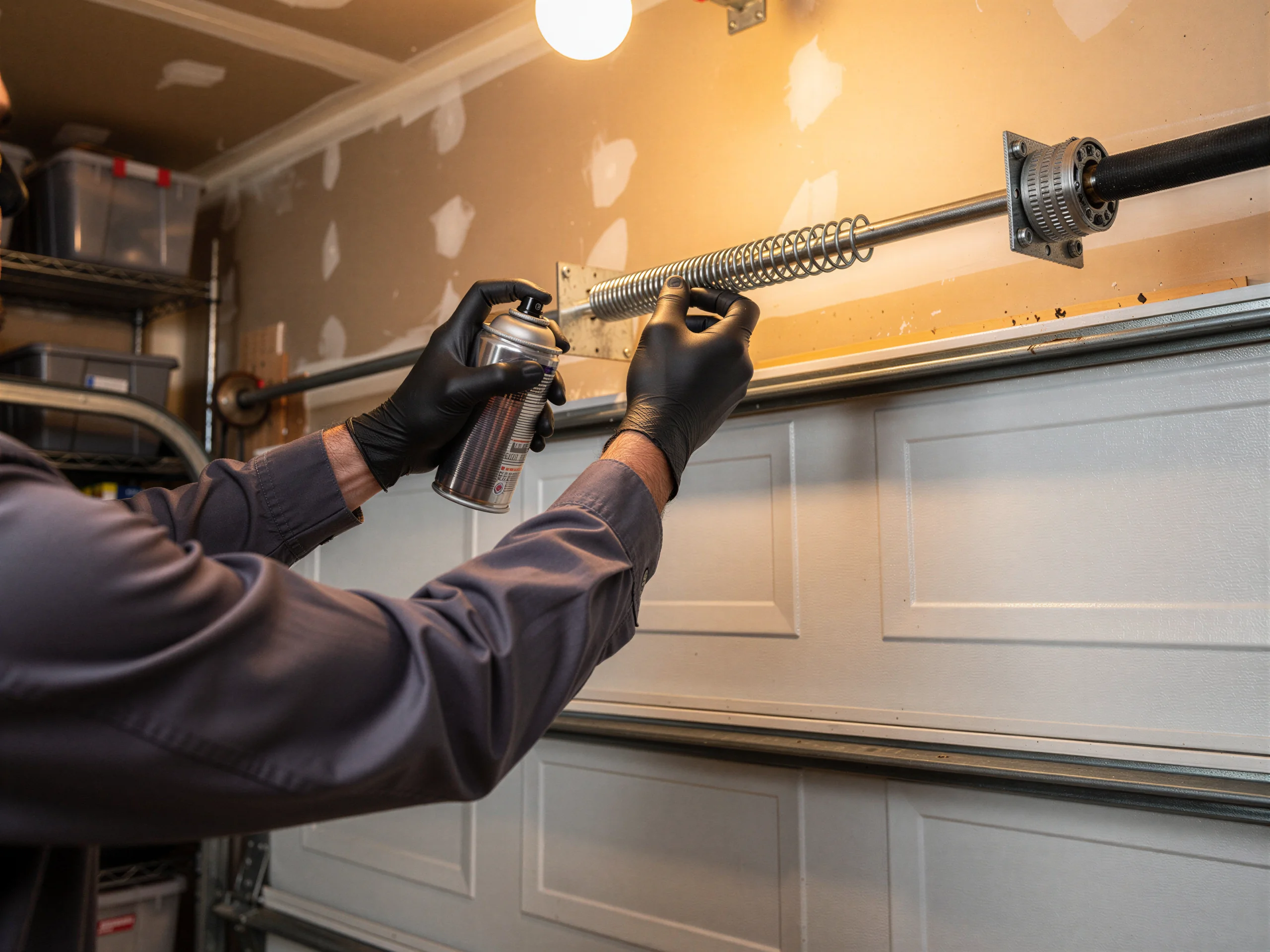
Lubricating hinges and rollers, vacuuming the track, and testing the auto-reverse by setting a 2x4 under the door are all reasonable for an owner to do, and they're worth doing between our visits regardless of who services the door. What's not reasonable to DIY is anything involving the torsion spring - the one above the door under tension - or re-tensioning a door that's gone noticeably heavier to lift by hand.
On hardware from the 1970s specifically, we'd add one more thing to leave alone: the mounting bolts and brackets. On a door that old, metal fatigues in ways you can't always see from the floor, and a bracket that looks fine can let go under the wrong load. If your door is binding, slow to close, or louder than it used to be, that's a call, not a weekend project.
What Can Go Wrong
The failure pattern on 1975-era doors tends to run through the springs first, then the rollers, then the opener gears, roughly in that order of how often we see it.
Cycle-count blind spots
A torsion spring rated for a certain number of cycles doesn't fail gracefully - it holds until it doesn't, and on original hardware that's been in place for decades, we don't have a reliable way to know how many cycles are left.
Small-town parts availability
The other pattern worth naming: Florence is a small town, 423 households by the numbers we work from, which means parts availability isn't a given the way it might be somewhere with more housing turnover and more recent construction.
Ordering delays for parts
If a part needs ordering, that adds a day or two to any repair, maintenance or otherwise - something we'd rather tell you up front than have you find out mid-job.
What You Pay
We don't have a published price list for maintenance visits specific to Florence, and we're not going to invent one here. What we can tell you is that the math is different from a lot of the service area: median household income here runs around $72,743, noticeably below the roughly $99,368 median across the wider area we cover. That doesn't change what the work costs, but it does change the conversation we have with you about it - when a repair makes more sense than a replacement, we say so, and on a 1975 door with one working opener and no other damage, that's often the answer.
Ask us for a number specific to your door and we'll give you one. A generic range on a page isn't worth much when every door's hardware and age tells a different story.
How We Fix It
On a Florence maintenance call, we start with the spring and track - the parts most likely to be carrying decades of wear - then move to rollers, cables, and hardware torque, and finish on the opener's force and limit settings.
Approval before repairs
If we find something that needs more than adjustment, like a cable showing fray or a bracket with visible metal fatigue, we tell you before we touch it, not after.
Hinge wear checks
Given the age of the hardware out here, we also check things a newer-door visit might skip: hinge wear patterns that suggest a panel's been dragging, and whether the track gauge still matches the rollers running in it.
Upkeep without upselling
None of this is a sales pitch for a new door - plenty of these doors have years left in them with the right upkeep. For repairs beyond routine maintenance, see our Florence garage door repair page, and for the full range of what we do out of Georgetown, our Georgetown maintenance page covers the general service.
Talk to a local pro
Garage door service in Georgetown?
Same-day service with honest, upfront quotes.