The Symptom
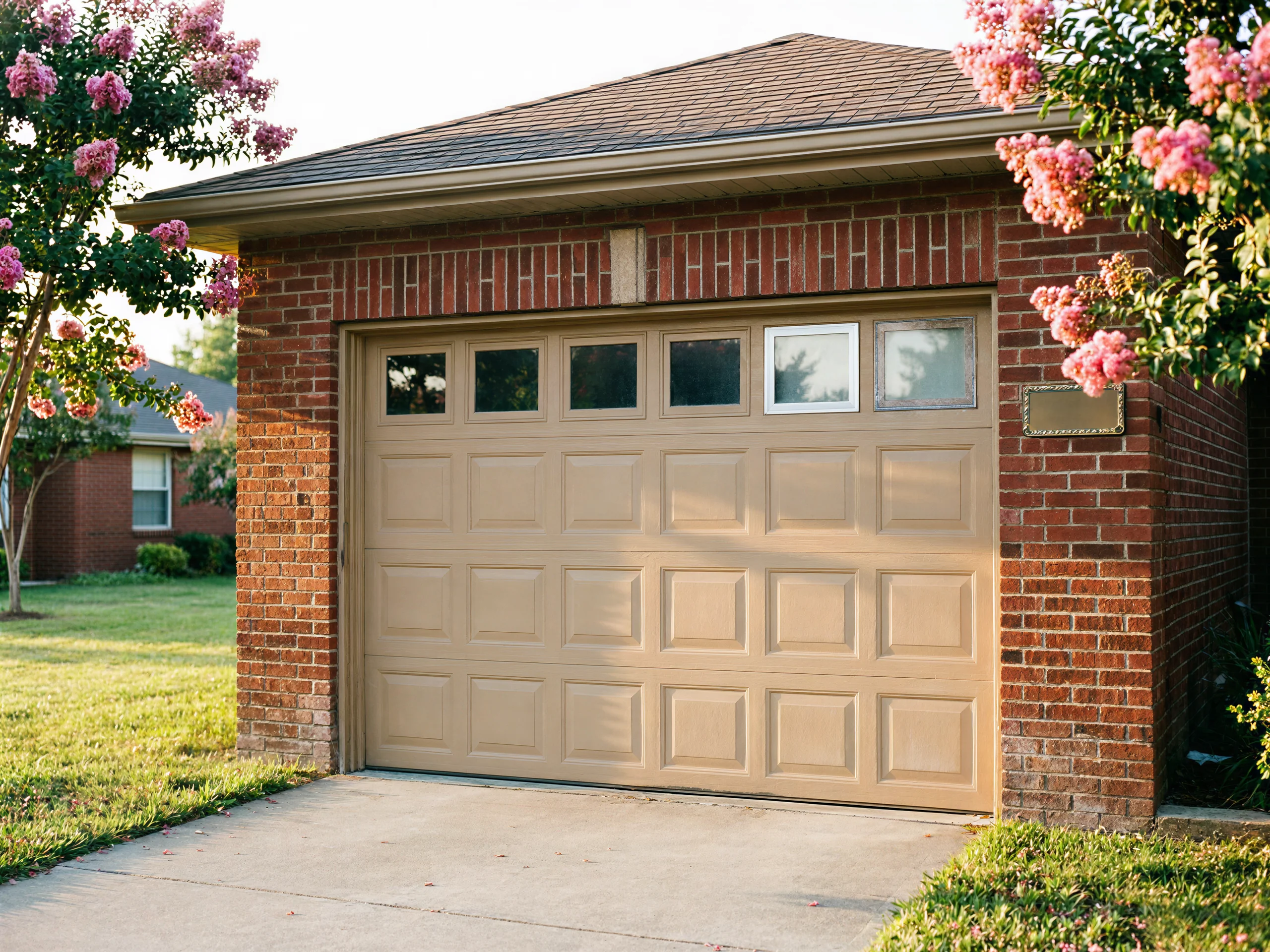
Most garages in Florence are attached to houses built around the mid-1970s, and the door hanging in that opening is usually the original or a close replacement from the same era: a single layer of steel, no insulation, hollow enough that it booms when it drops, and hung on a track that was engineered for a lighter, narrower panel than most mid-size trucks and SUVs need to clear today. You notice the symptom before you notice the door itself. It sticks halfway up. It slams the last foot instead of settling. Daylight shows under the bottom seal on one side. Those aren't opener problems most of the time. They're the sign of a 40-plus-year-old door that's done the job it was built for and is now just metal fatigue and worn rollers held together by habit. If your opener is newer than your door, that mismatch is often the real cause of grinding or reversing.
How Long It Takes
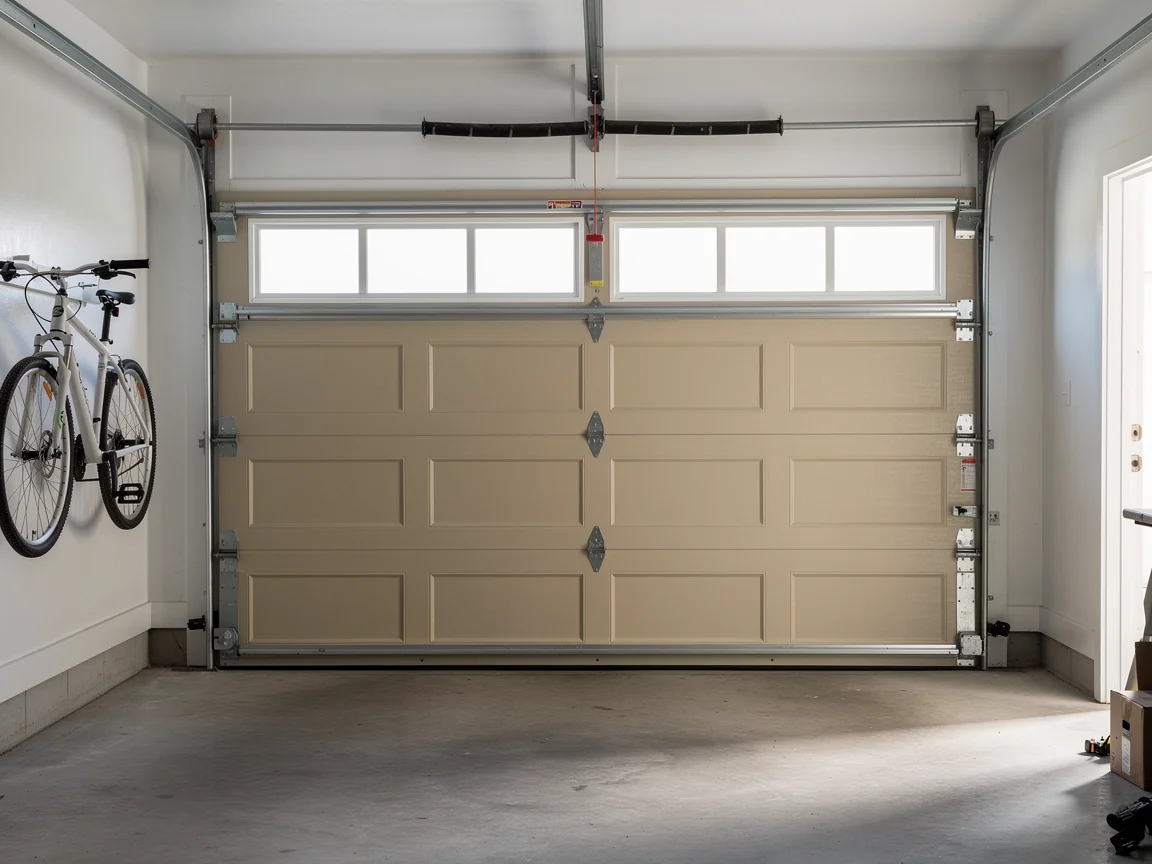
A straightforward swap on a single opening runs about half a day once the new door and hardware are on the truck.
Drive time scheduling
Because Florence sits roughly 13 miles out from Georgetown, we build the drive into the schedule rather than into the price; we don't keep a branch or stock out this way, so the job gets booked for a day when we're routing through the area rather than dispatched same-morning.
Frame and jamb rework
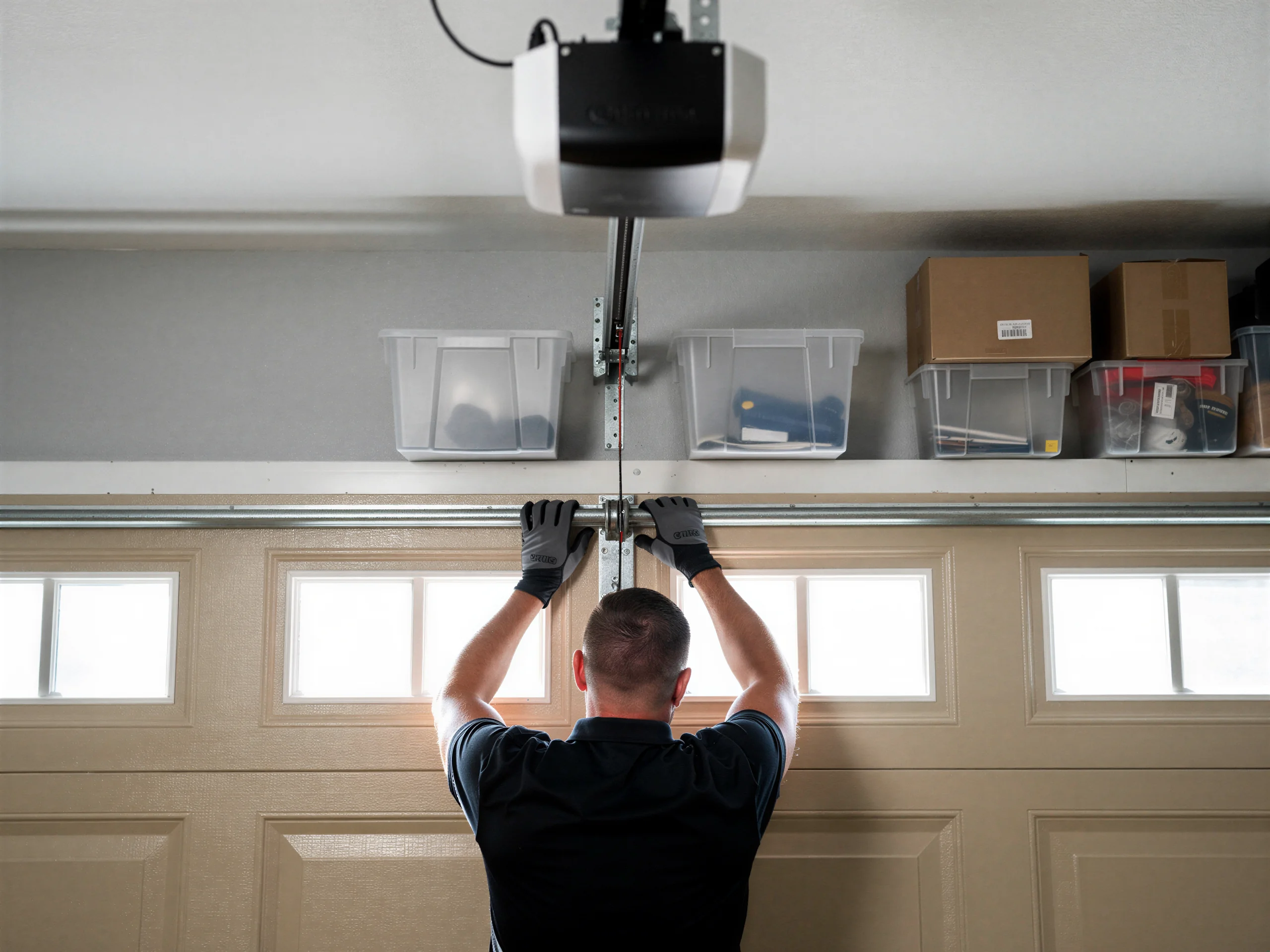
Two-car and double-door jobs, or anything where the old frame or jambs need reworking to square up an opening that's shifted over the decades, run longer. If you're replacing both the door and the opener at the same time, plan on most of a day rather than a few hours, since the track, springs, and opener all have to be set and tested together before we call it done.
The DIY Question
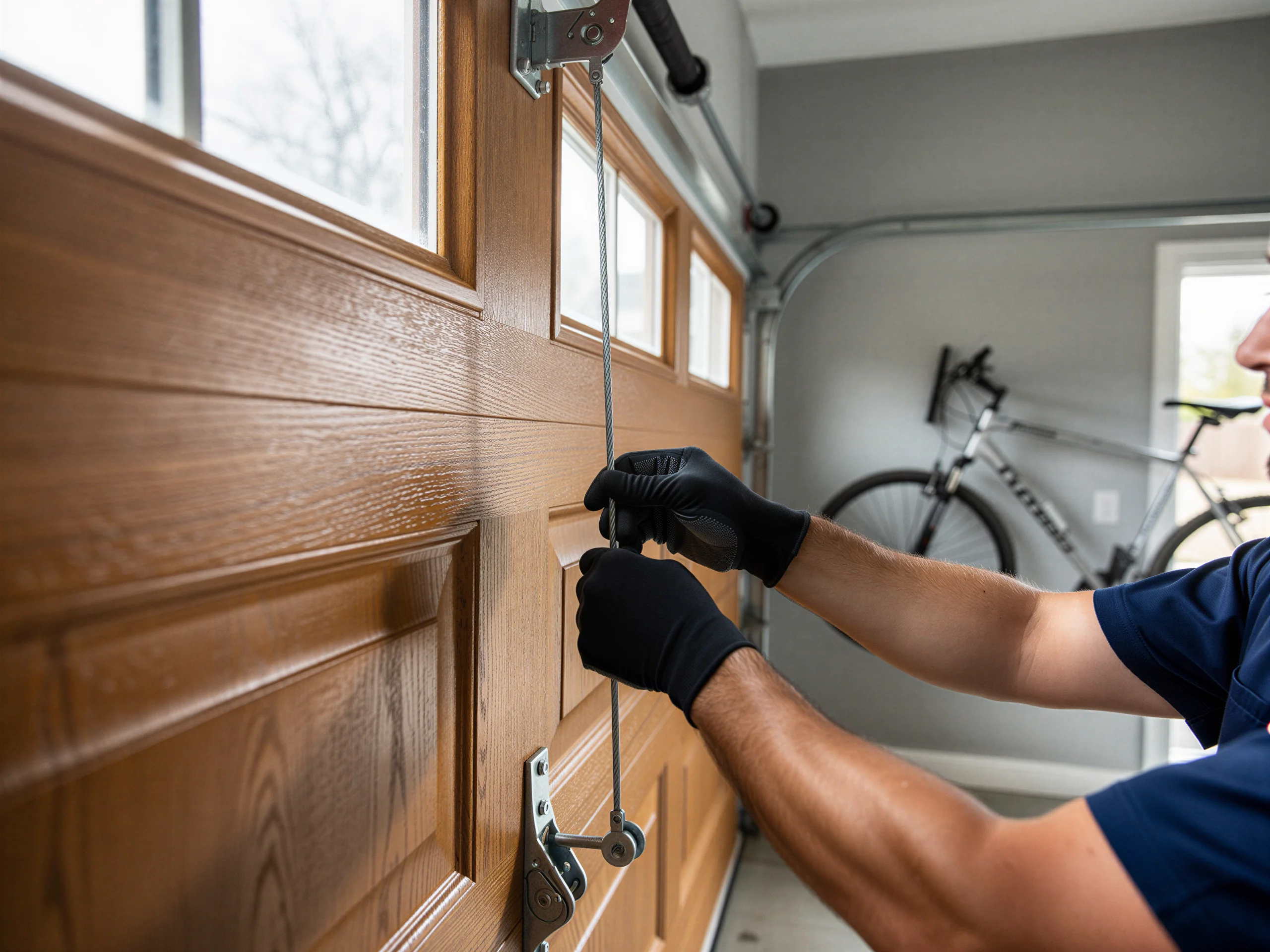
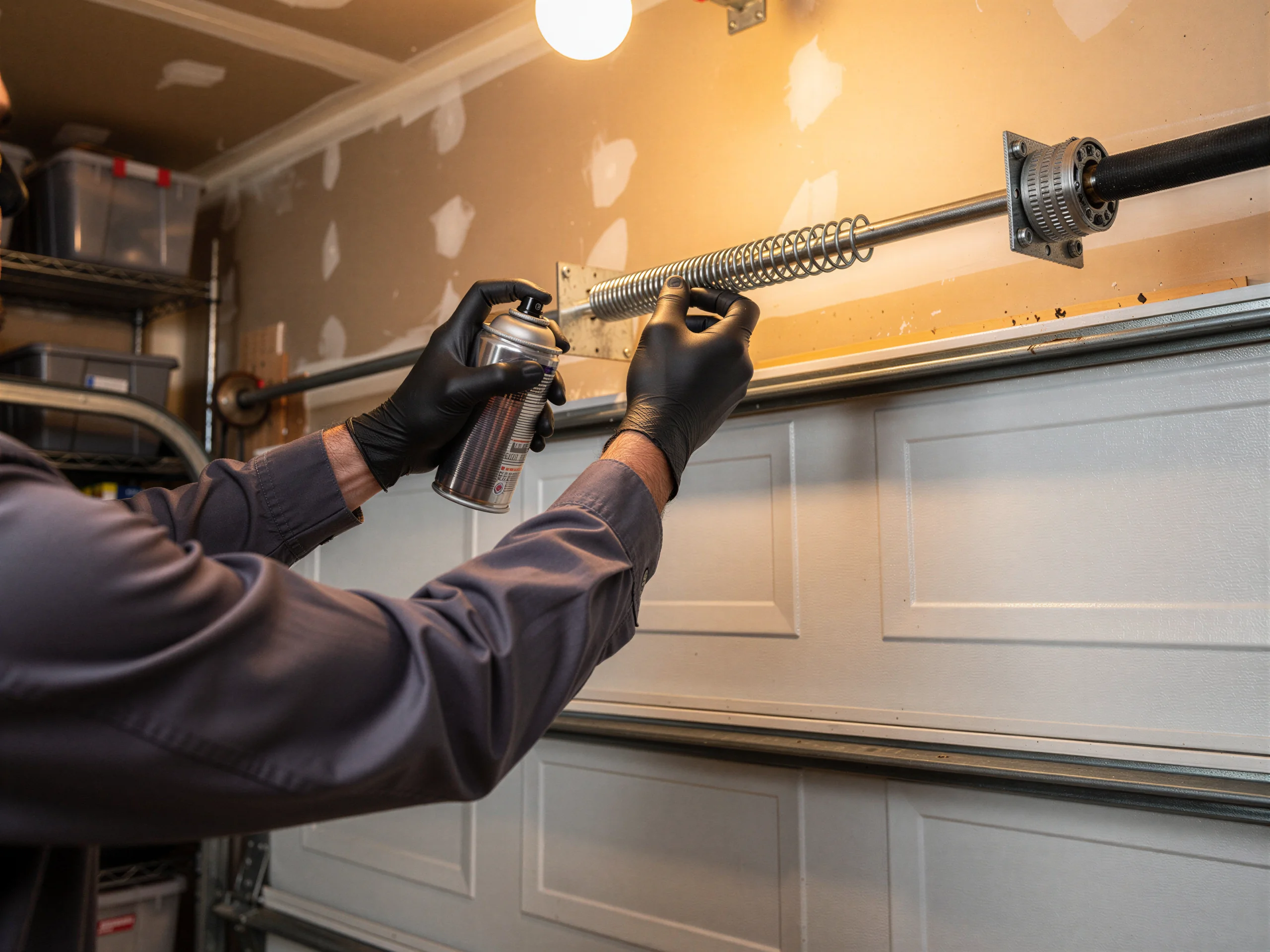
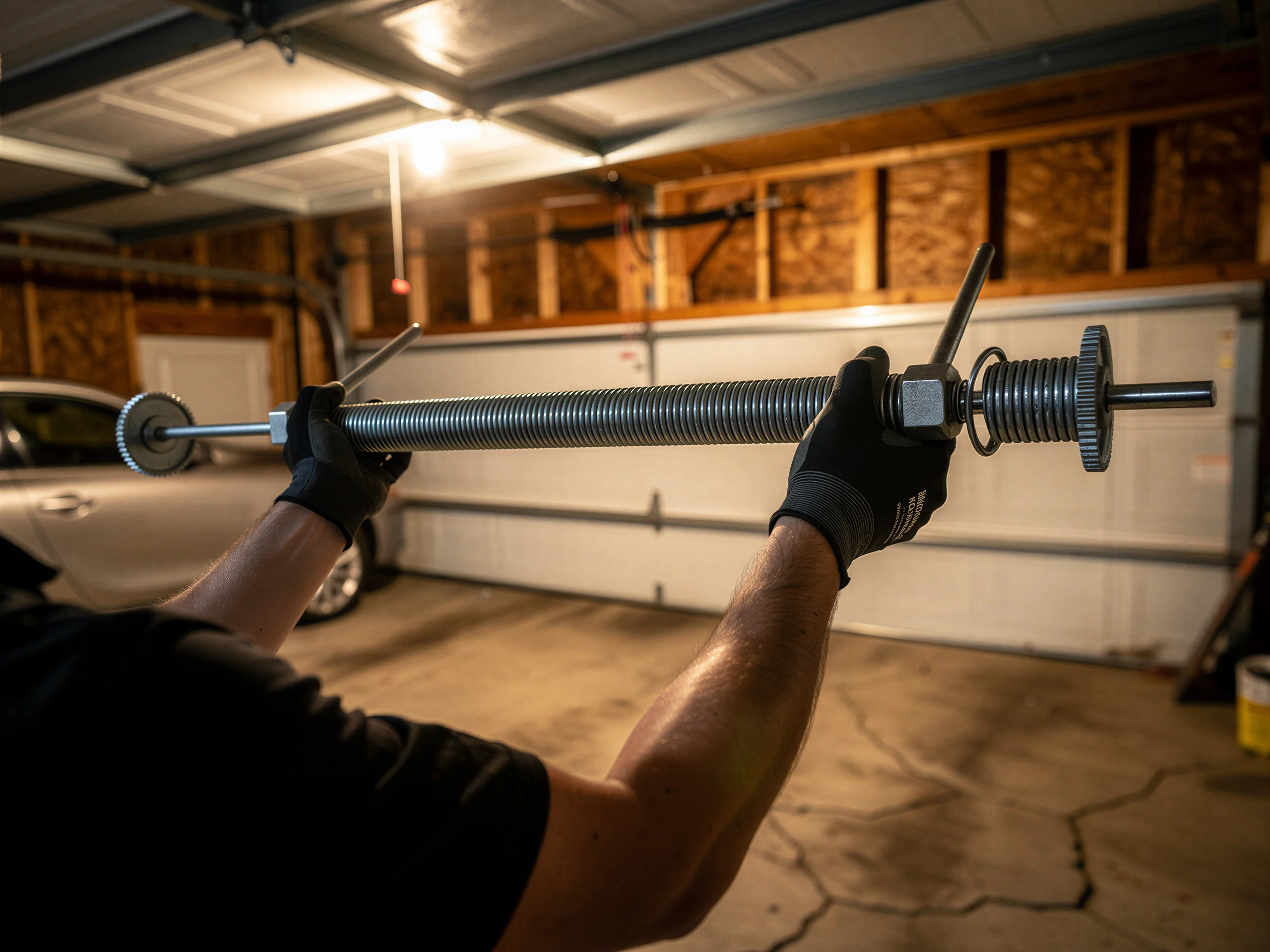
A torsion spring under tension can put a grown man through a windshield-level of force into a panel, and new door installs involve setting that spring from scratch, not just swapping a stretched extension spring. That's the part we'd tell any Florence homeowner not to take on alone, kit or no kit. Where DIY makes sense is the small stuff before you call anyone: tightening loose hinge bolts, clearing track debris, checking that the photo-eye sensors near the floor are aligned and not caked in dust, which is a common false trigger. If your door won't open and the only symptom is a blinking opener light, that's worth five minutes with a flashlight before you book a truck. But a new door, new springs sized to the door's weight, and a properly set track are not a weekend project, and a mis-sized spring is a safety problem, not just an inconvenience.
What Can Go Wrong
Florence's climate sits in the mild-with-occasional-freeze band, so you're not dealing with the wide swings that crack panels elsewhere, but older openings here were framed to older tolerances, and houses from the 1970s have settled enough that a new, perfectly square door can reveal just how out-of-square the jamb has become.
Uneven seal and binding
That shows up as a gap that won't seal evenly or a door that binds on one side no matter how the track is adjusted.
Weight mismatch with hardware
The other common issue is a mismatch between a new insulated door's extra weight and old springs or an old opener rated for a lighter panel; reusing hardware to save money often just moves the failure point to the spring a year later. We check the opening and the existing hardware before quoting, rather than assuming a like-for-like swap will work cleanly.
What You Pay
We don't publish a flat number here because door size, insulation level, and whether the opener and track need replacing too all move the price, and guessing low on a page is worse than quoting it properly on-site. What we can say is that homes in Florence tend to have more modest household budgets than some other parts of the service area, and we quote the job in front of you with that in mind rather than upselling features a 1975 opening doesn't need. If the existing track and opener are sound, replacing just the door panel costs meaningfully less than a full system swap, and we'll tell you honestly when that's the better call instead of pushing the bigger job.
How We Fix It
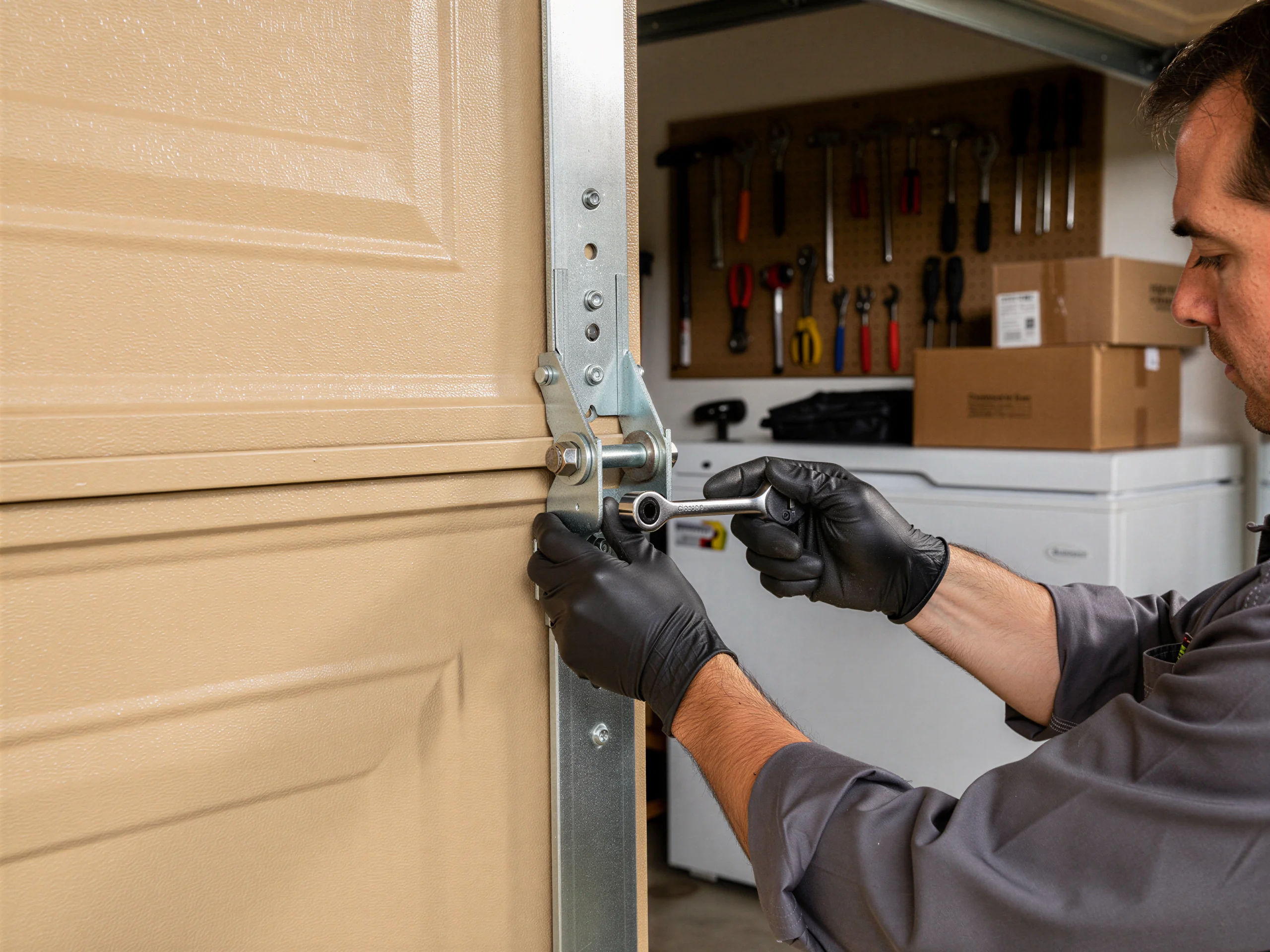
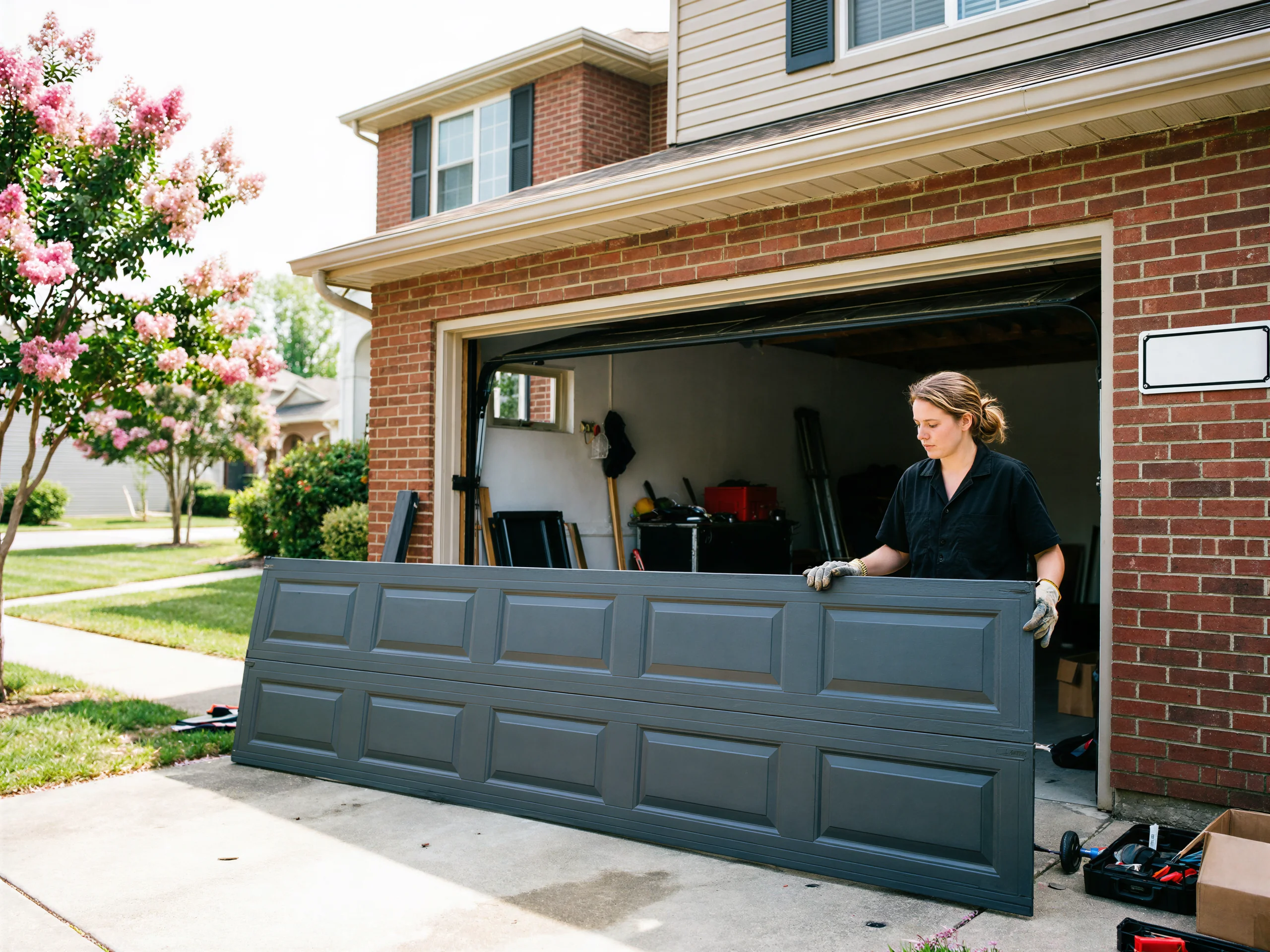
We start by measuring the actual opening, not the nominal size stamped on the old door, since decades of settling in Florence's older housing stock can shave an inch or more off true square. We size the new door and spring to match, set the track plumb, and test the balance by hand before the opener ever touches it, because a door that doesn't balance on its own will just overwork a new motor. If the existing opener still has life in it, we reuse it rather than replacing parts that don't need replacing. For anyone who just needs the current door patched or adjusted rather than replaced outright, that's a separate job and a separate page, not something we fold into an install quote.
Talk to a local pro
Garage door service in Georgetown?
Same-day service with honest, upfront quotes.