Parts We Carry
The broader Georgetown service area has houses going up anywhere from 1957 to 2018, with a median around 1993. Serenada doesn't track that median - its own housing stock centers closer to 1981, a good twelve years earlier.
Galvanized aircraft cable
That gap matters on a cable call. A door from the early 1980s is more likely to still have its original galvanized aircraft cable and steel drums, not the newer coated cable and nylon-bushed drums you see on doors put up after 2000.
Cable generations stocked
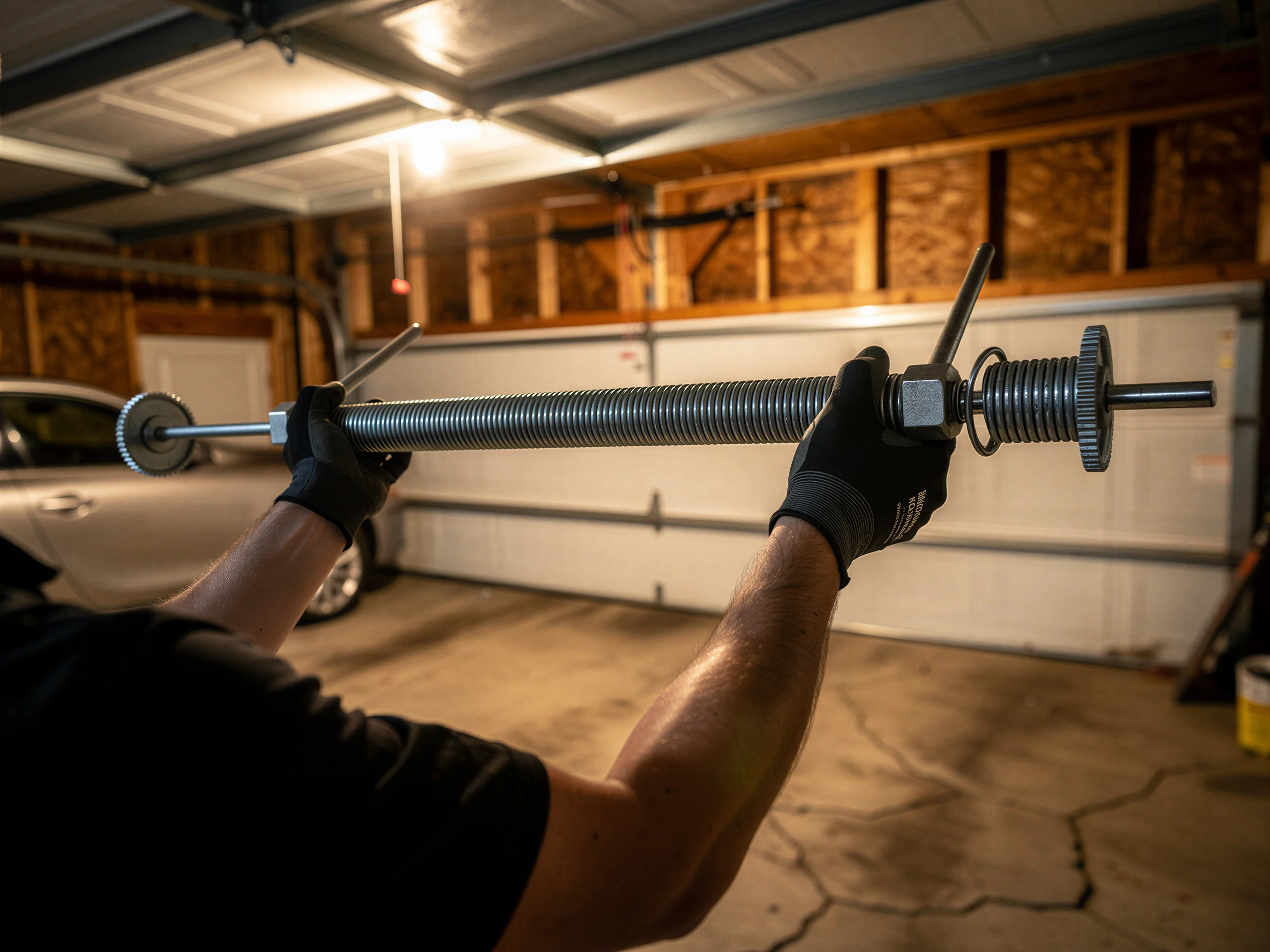
We carry both generations of cable on the truck: standard 1/8-inch and 7x19 aircraft cable in the common drum-diameter lengths, plus the drums themselves when the cable has chewed a groove into the old one. We also stock the small stuff that actually causes most calls - cable stops, the little aluminum ferrules that swage onto the cable end, and the S-hooks that connect to the bottom bracket.
Re-failing cable causes
If a door has track so bent or a bottom bracket so rusted that the cable keeps re-failing, that's a conversation about more than cable, and we'll say so instead of just restringing it and sending you an invoice. We don't stock every obsolete drum size. If a door turns out to need a part specific to a brand that stopped making that hardware years ago, we'll tell you that up front rather than guess at a fit.
How We Fix It
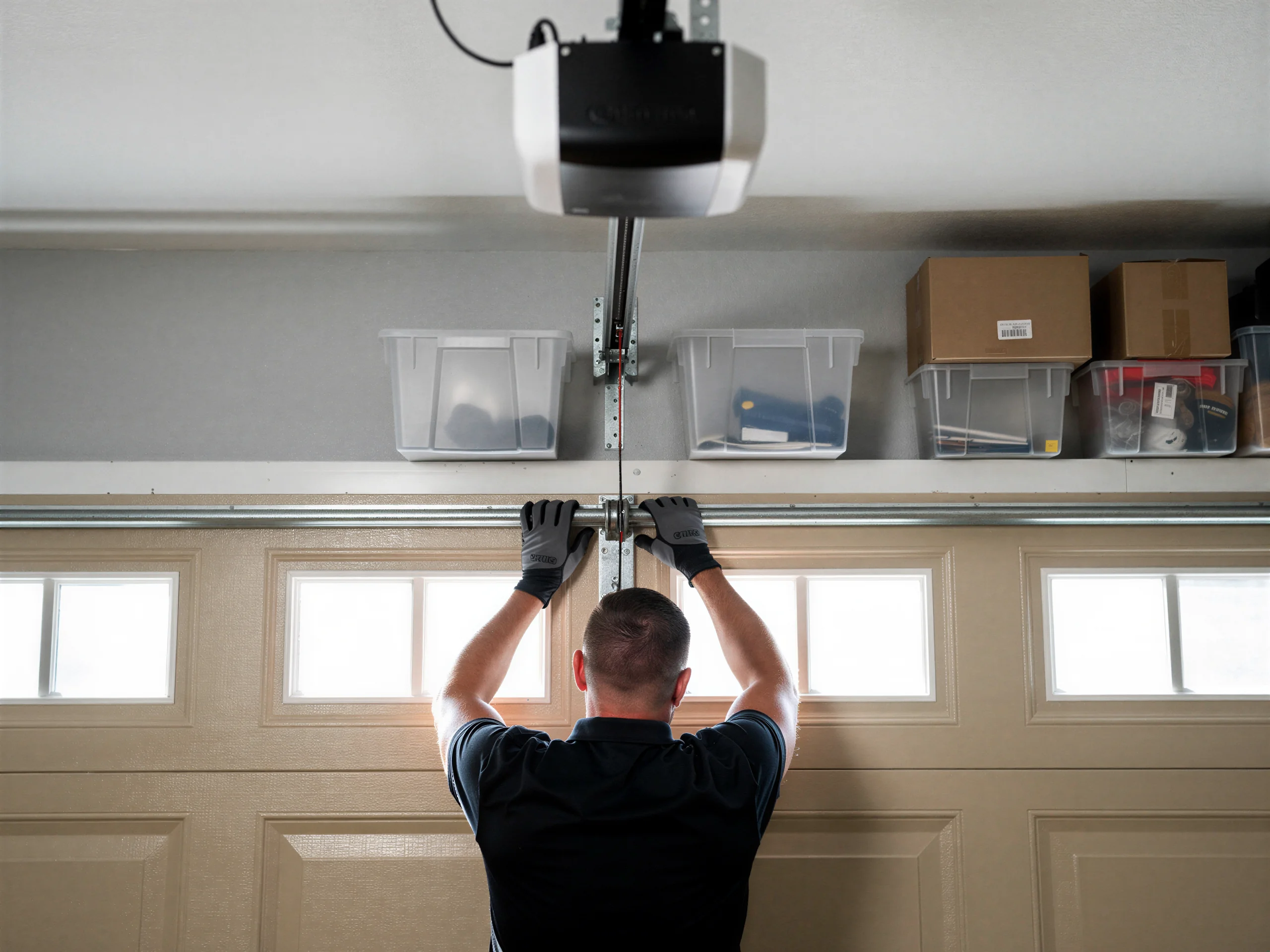
On a door this age, we don't just replace the one cable that snapped. If a cable breaks on one side of a double door that's been up since the early 80s, the other side has had the same sun, the same number of lift cycles, and the same age on it - we check it under tension before we call the job done, not after a second truck roll.
Avoiding callbacks
That's standard practice on any door this old, Serenada or not, but it's worth saying because it's the difference between a $150 fix and a callback two months later.
Matching wrap count
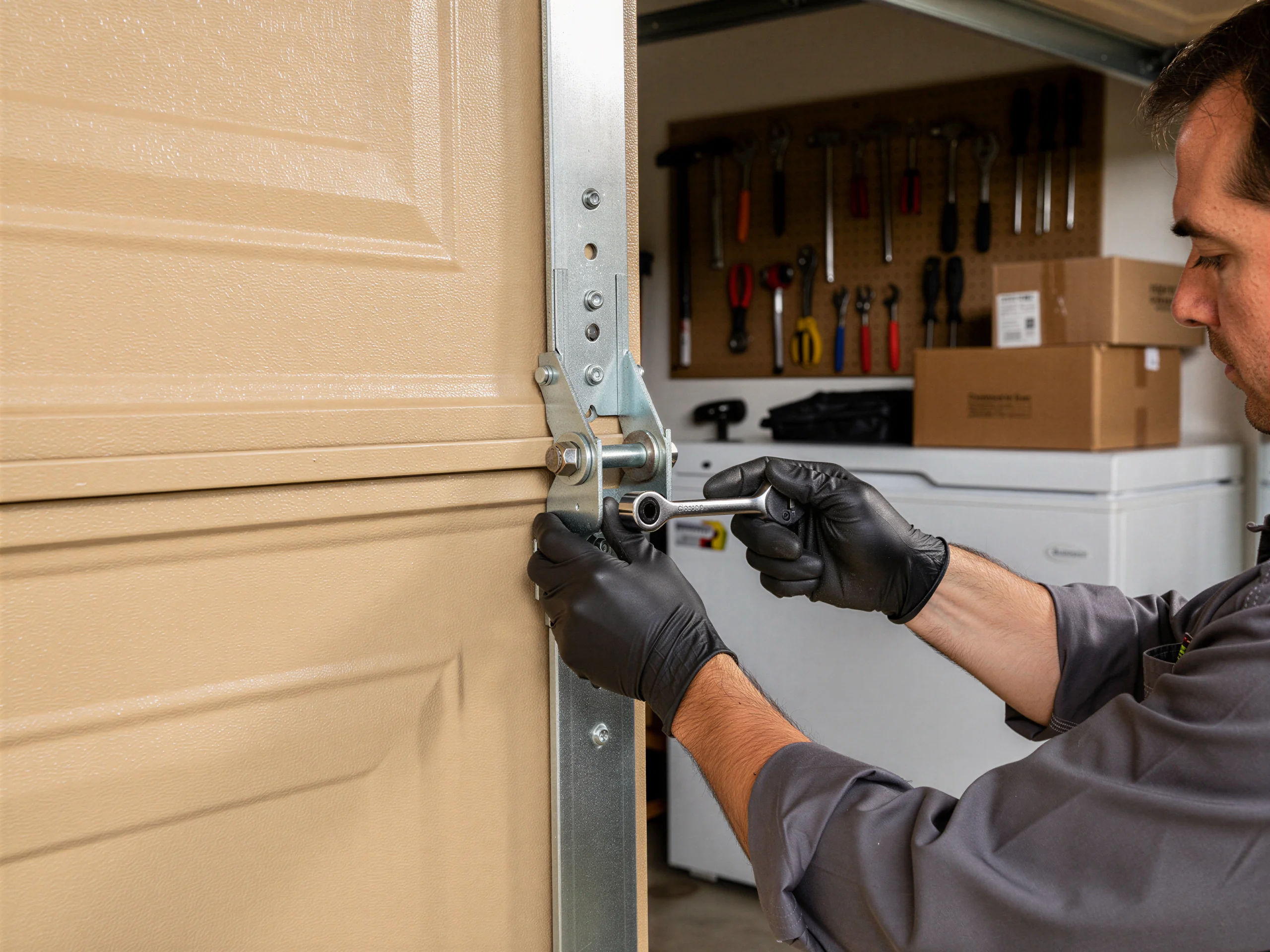
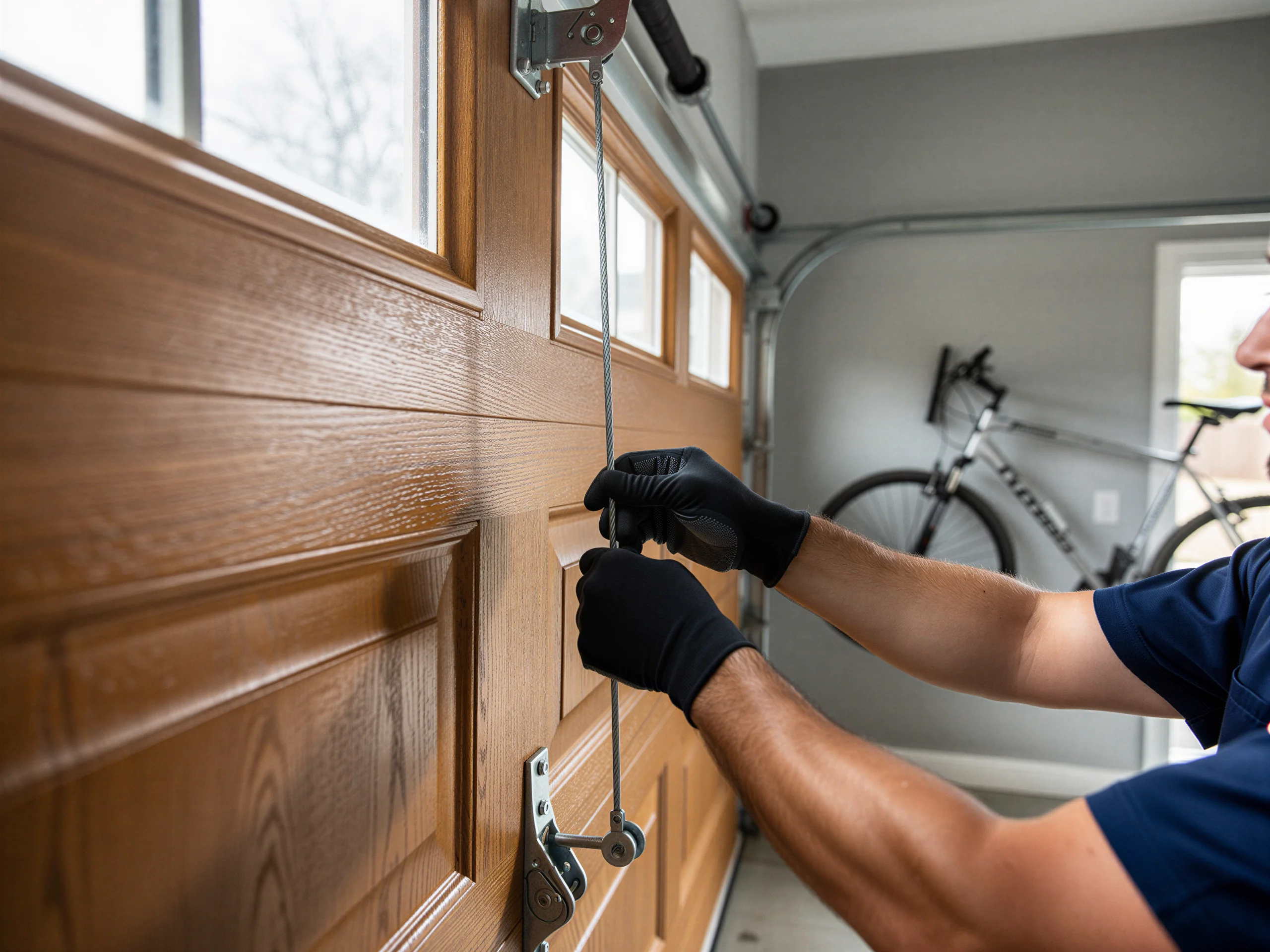
We release spring tension, pull the old cable off the drum, clean out any rust or deformed winding, and rewind the new cable to the same number of wraps the drum is built for - too loose and the door binds, too tight and you're back to a snapped cable.
Bracket play inspection
We check the bottom brackets for play, since a worn bracket is often what actually started wearing the cable in the first place. On doors with drums that have grooved badly from years of the same cable riding the same path, we swap the drum rather than lay new cable over damaged grooves - that's a corner we won't cut even though it adds to the ticket.
How Long It Takes
We drive the three miles out from Georgetown to get to Serenada, so travel isn't the time sink here - the job itself is. A single-cable replacement on one side of a door, done after we've released spring tension and confirmed the drums and track are sound, usually runs under an hour once the tech is on site. A double door needing both cables, or a job where a bracket or drum needs replacing too, runs longer.
The mild climate band this area sits in, with occasional freeze, doesn't create the same seasonal rush some regions see, but three decades of freeze-thaw cycling does its own slow damage to galvanized cable - it's not dramatic, it just shows up as fraying nobody noticed until the door wouldn't lift. That's part of why we check the whole cable and drum assembly on these older doors instead of just the strand that gave out.
What we can't promise is a same-day slot reserved specifically for Serenada - we're coming from Georgetown and scheduling depends on what else is on the route that day. We'll give you a window when you call, not a guess.
The Symptom
Most cable calls start the same way: the door looks crooked when it's partway open, one corner hanging lower than the other, or it slams the last few inches instead of lowering evenly. Sometimes you'll see the cable itself, frayed strands sticking out near the bottom bracket like a broken guitar string. Sometimes the door just won't move at all and the opener strains against it.
With only 573 households in Serenada, we're not running this exact job every day here the way we might in a newer subdivision closer to Georgetown - these are older doors, and older cable, and the fault usually traces back to age rather than a one-off accident. If your door is original to a house built in the late 1970s or early 1980s, a frayed or snapped cable is wear catching up with the door, not bad luck.
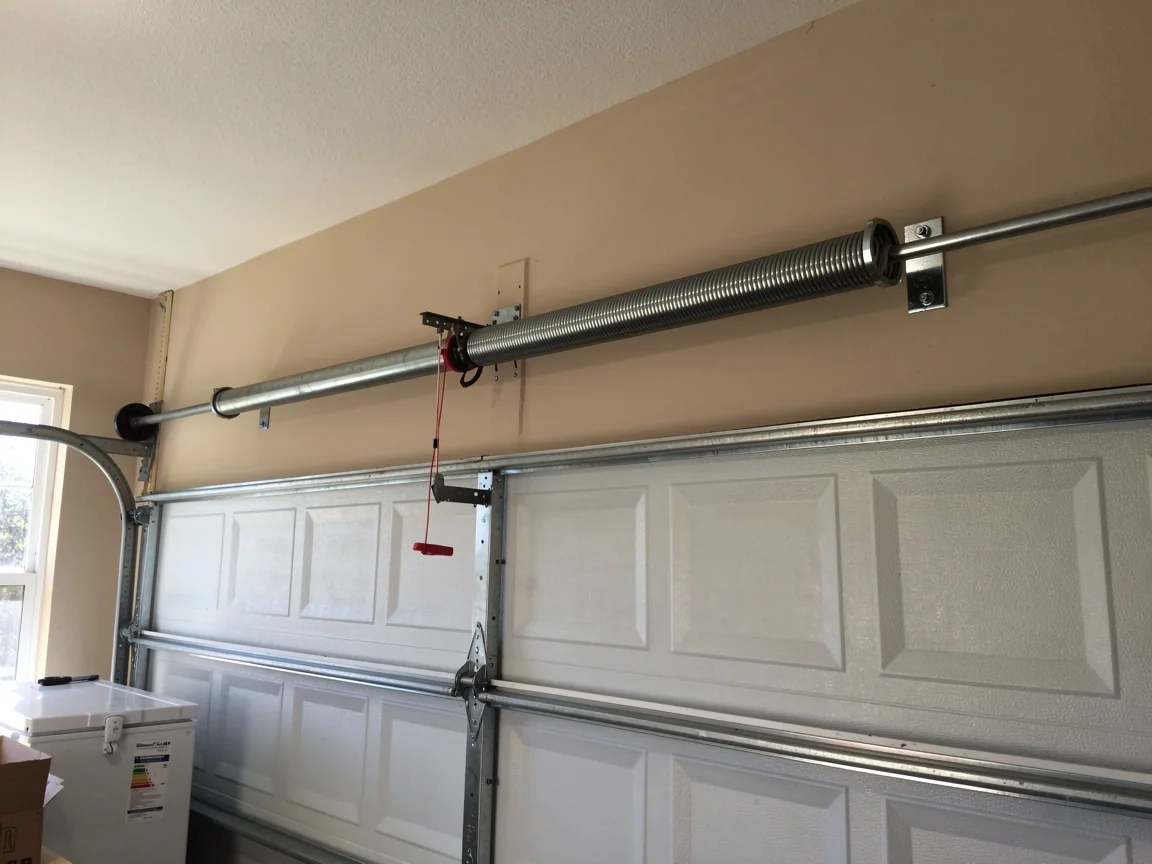
One thing we won't do: tell you a cable fix will solve a problem that's actually in the opener or the spring. If the door is hard to lift by hand with the opener disconnected, that's a spring problem, not a cable one, and replacing cable alone won't fix it.
Talk to a local pro
Garage door service in Georgetown?
Same-day service with honest, upfront quotes.