Parts We Carry
Serenada's median home dates to 1981, which puts a lot of these garages a decade or more ahead of the typical 1980s-90s build you see elsewhere in the Georgetown service area.
Decades-old opener history
That matters for openers because a house built in 1981 almost never got its opener replaced along the way - garage door openers aren't something people think about until the chain snaps or the motor hums and won't lift.
Horsepower-matched opener stock
On a truck headed to Serenada we carry belt-drive and chain-drive openers in the horsepower range that actually fits these older single and double doors, plus the drive rail, mounting hardware, and wall console to match. We don't stock oddball screw-drive units from the 1970s era anymore - if your garage still has one of those, we'll tell you straight that parts are scarce and full replacement is the honest answer, not a patched-together fix.
Small-market opener selection
With only 573 households in Serenada, this isn't a neighborhood with a dozen openers models in rotation; it's a handful of common setups we've seen enough times to know what belongs on the shelf before we even pull up.
How We Fix It
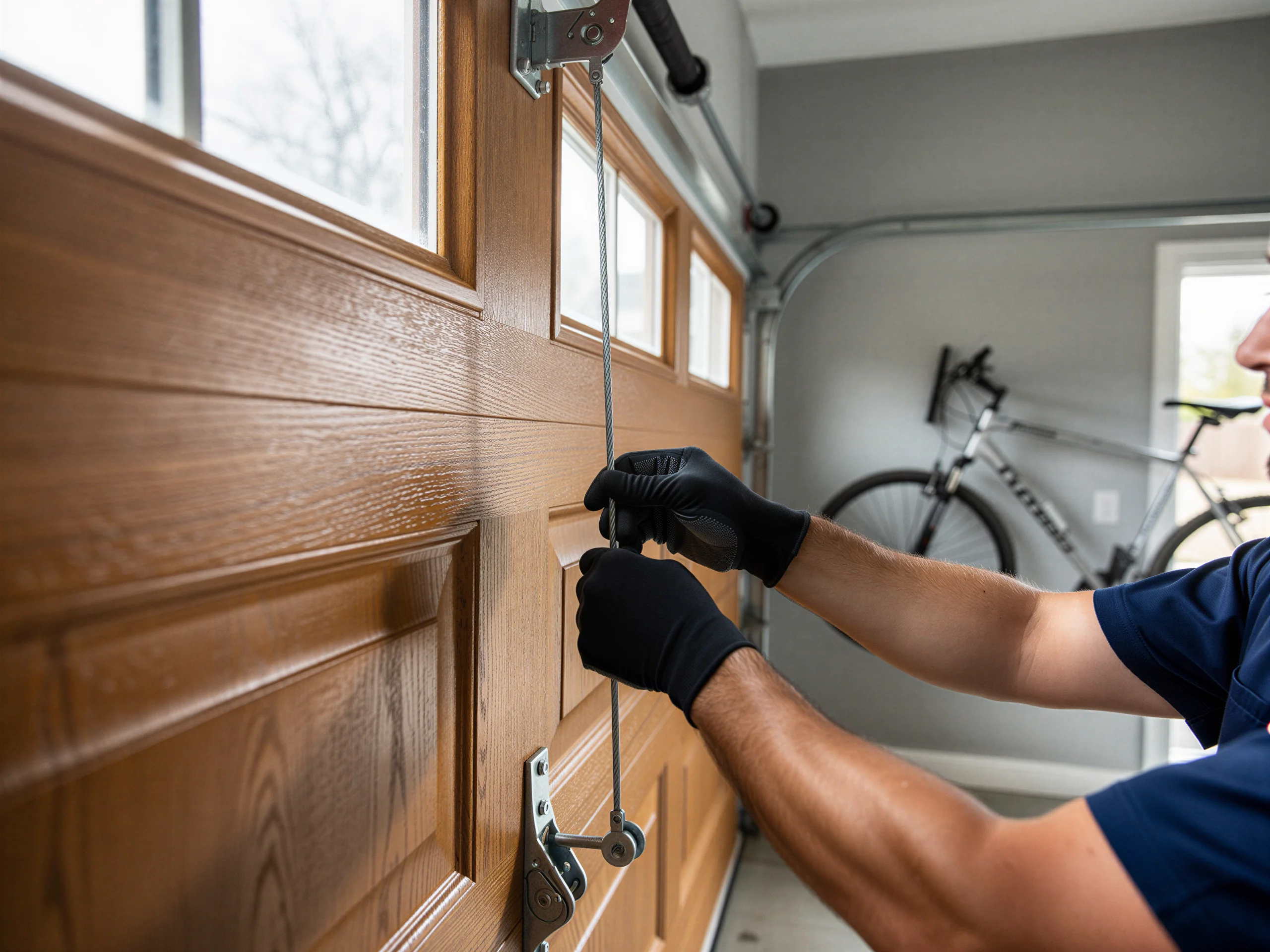
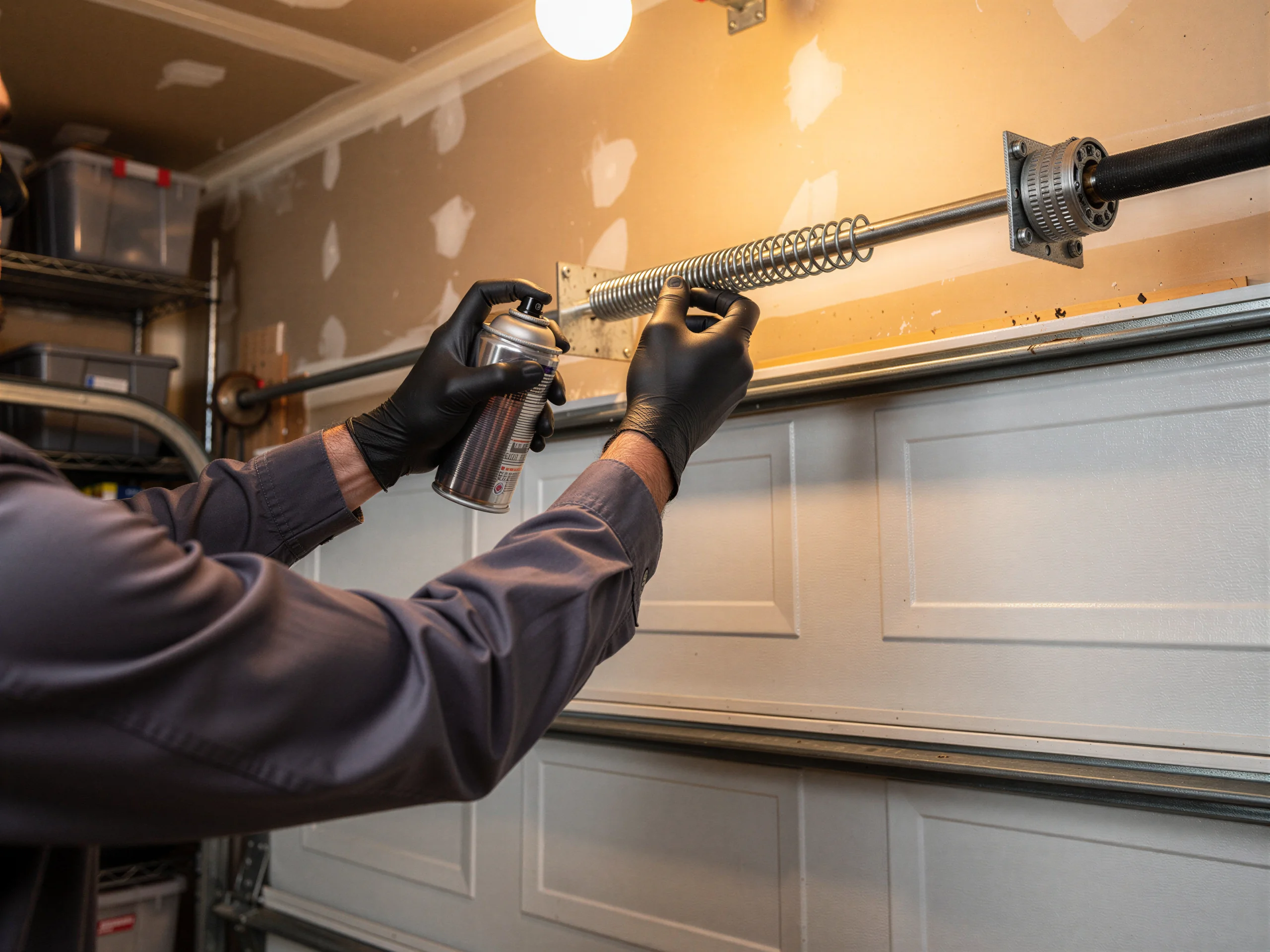
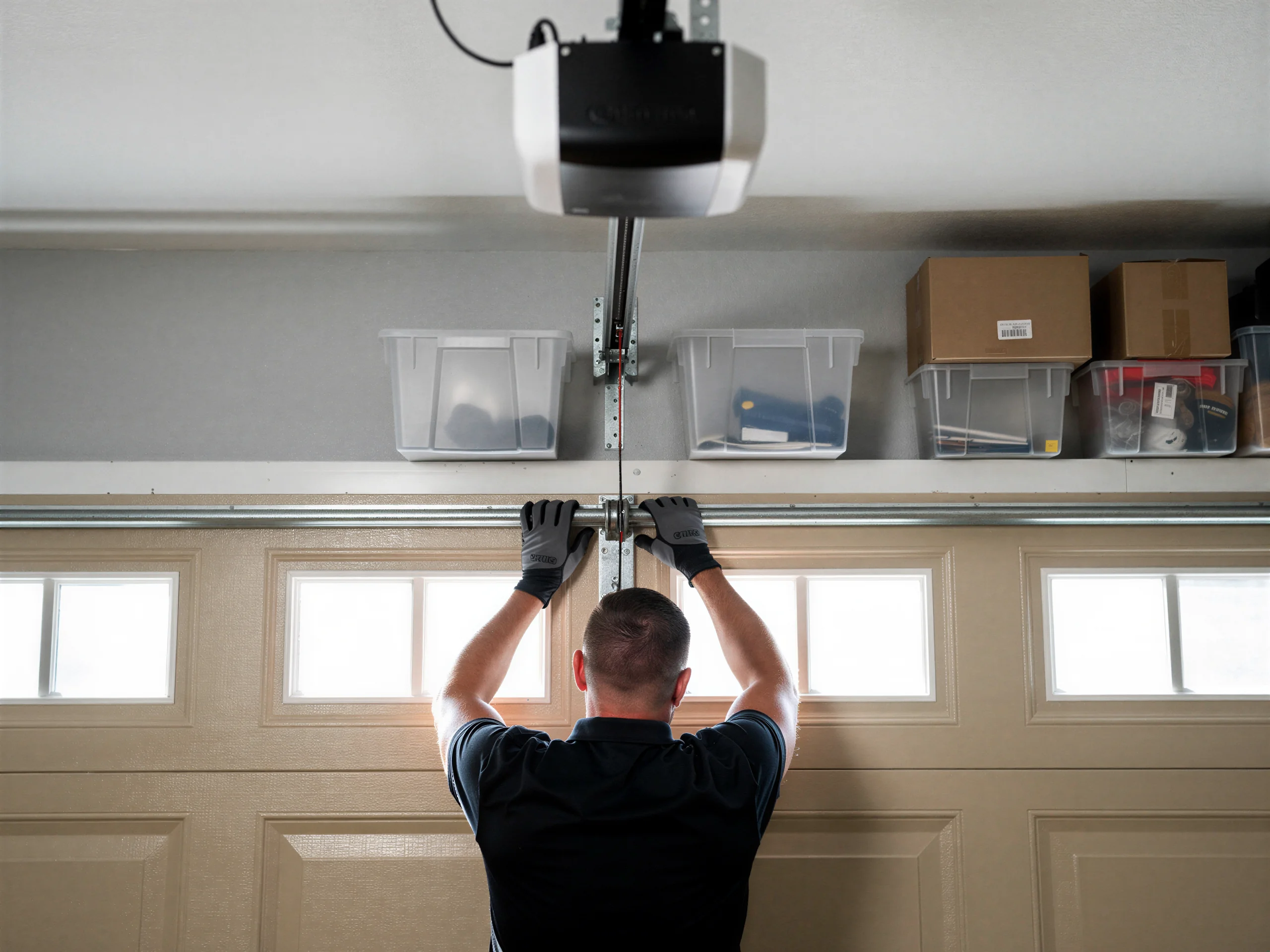
We start by pulling the opener off the ceiling bracket and checking the rail, the travel limits, and the door balance itself - an opener fighting a door with a weak spring will burn out twice as fast, and on a house from the early 1980s that spring has usually never been swapped either.
Manual door-freedom check
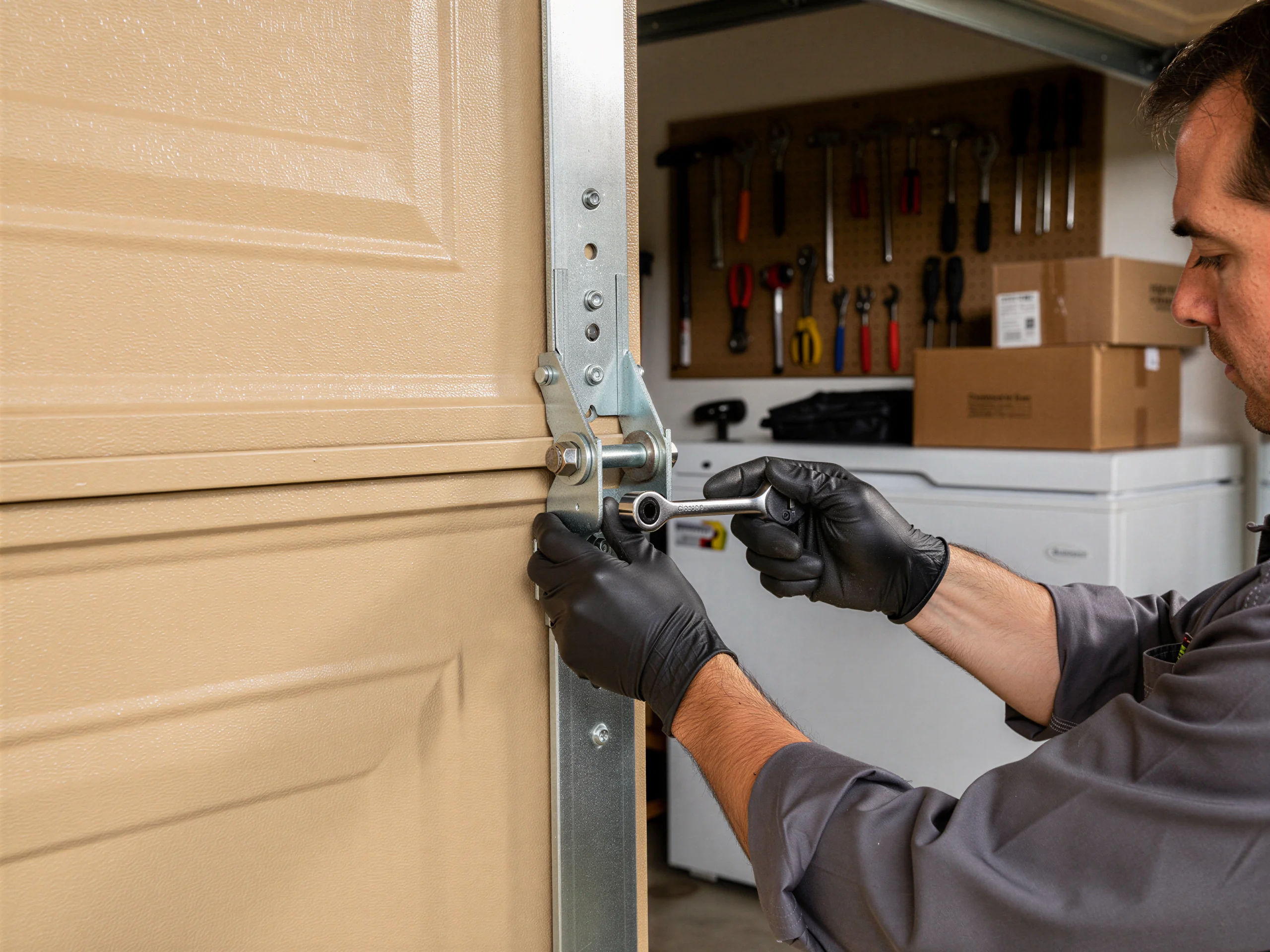
Once we confirm the door moves freely by hand, we mount the new opener's rail and head unit, wire in the wall console and any keypad, and set the travel and force limits to the door's actual weight rather than a factory default.
Width-based opener sizing
Serenada homes run a wide mix of door widths, so we size the opener to the door in front of us, not to a generic double-car assumption. We test the auto-reverse and photo-eye alignment before we leave, because an opener that lifts fine but won't stop on an obstruction isn't finished work.
Bad hardware first
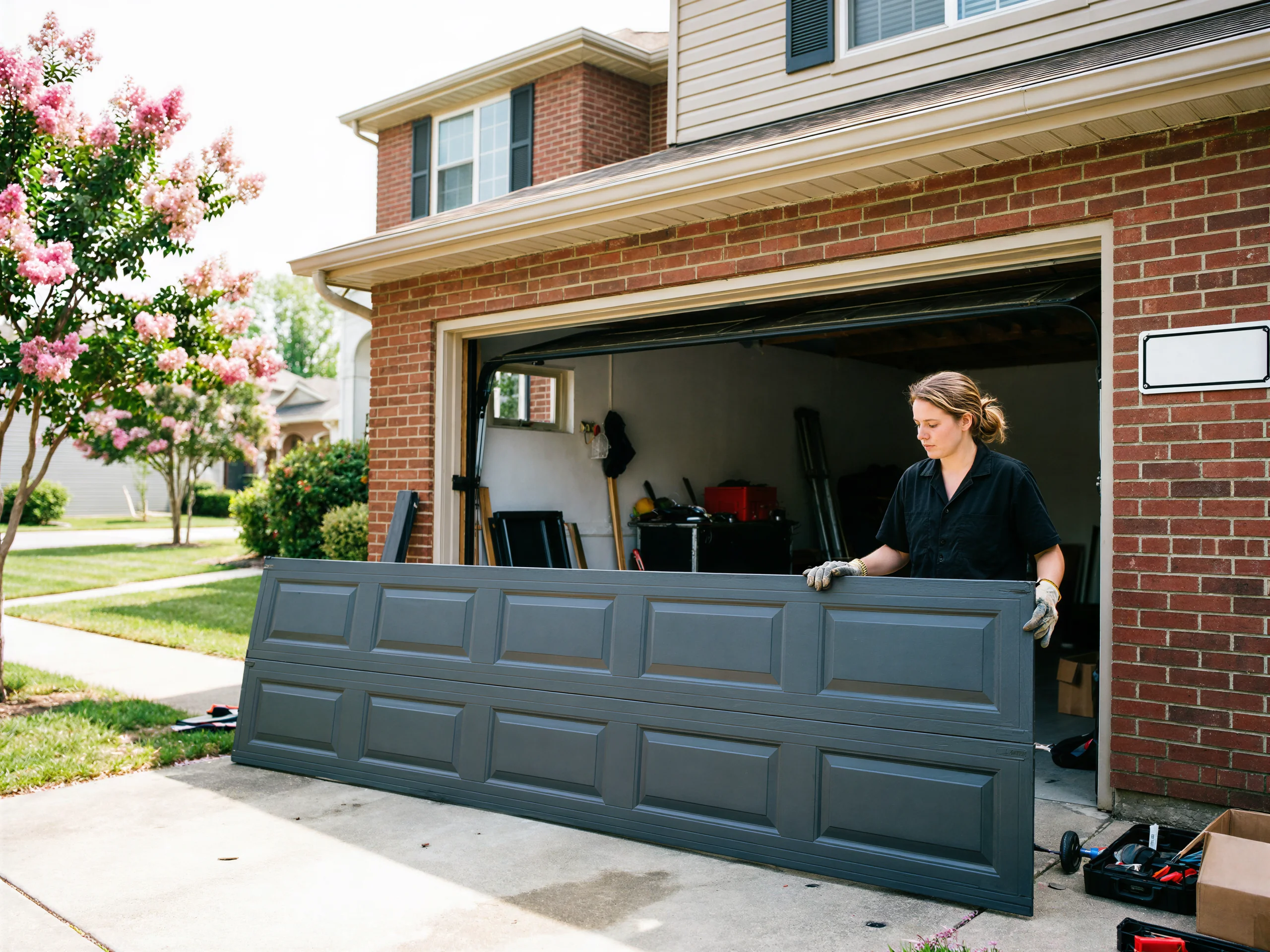
One limitation worth saying plainly: if the door track is bent or the rollers are shot, we'll flag that separately - a new opener bolted to bad hardware just transfers the strain somewhere else.
How Long It Takes
A straightforward swap - old opener out, new one in, same mounting points, same door - usually runs under a couple of hours once the truck's on site. Where it stretches is in houses like a fair number of Serenada's 1981-era builds, where the original bracket spacing or ceiling height doesn't match modern opener kits, or where the wiring for the wall switch needs rerouting because the old run doesn't reach the new console location. We travel the roughly 3 miles from Georgetown for every Serenada call, so there's no separate dispatch delay built into the job itself - the time variable is almost always the house, not the drive. We'll tell you up front on the phone if your opener sounds like a straightforward swap or one that needs an extra hour for bracket work.
The Symptom
The calls we get from this side of town tend to follow a pattern: the door hesitates partway up, reverses for no clear reason, or the motor runs but the chain doesn't move the carriage.
Skipped sprocket chain
On a 1981-built house that's usually a worn drive gear or a stretched chain that's finally skipped its sprocket - components rated for maybe fifteen years of regular use, not forty.
Shaking motor bearings
A smaller number of calls are openers that still technically work but shake the whole garage doing it, which is a motor bearing on its way out, not a quick lubrication fix.
Replace-once preference
With Serenada's median household income at $97,083, most owners we talk to want the job done once, done right, rather than nursing a dying unit through a second repair bill six months later - and on hardware this old, replacement is usually the number that makes sense.
Talk to a local pro
Garage door service in Georgetown?
Same-day service with honest, upfront quotes.